Family TV Series - Page 2

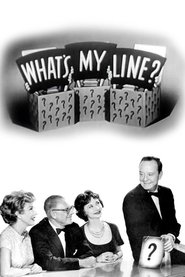
What's My Line?
1950
What's My Line?
1950
star 7Four panelists must determine guests' occupations - and, in the case of famous guests, while blindfolded, their identity - by asking only "yes" or "no" questions.New Looney Tunes
2015
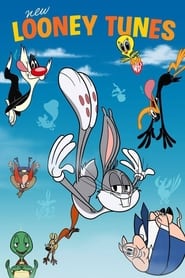
New Looney Tunes
2015
star 7Wabbit is an animated series starring Bugs Bunny. The series features many other Looney Tunes characters including Wile E. Coyote, Yosemite Sam, and the Tasmanian Devil.Dallas
1978
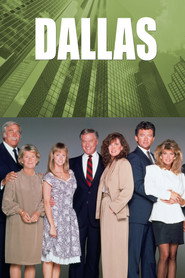
Dallas
1978
star 6.9The world's first mega-soap, and one of the most popular ever produced, Dallas had it all. Beautiful women, expensive cars, and men playing Monopoly with real buildings. Famous for one of the best cliffhangers in TV history, as the world asked "Who shot J.R.?" A slow-burner to begin with, Dallas hit its stride in the 2nd season, with long storylines and expert character development. Dallas ruled the airwaves in the 1980's.Jason and the Argonauts
2000
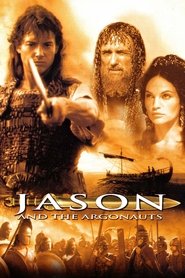
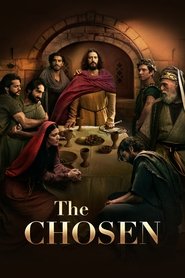
star 6.5At a young age, Jason witnesses the brutal deposement and murder of his father at the hands of his uncle Pelias. Twenty years later, Jason returns home to claim his rightful place as king, but Pelias orders him to be executed, and in order to save himself Jason is forced to go on a dangerous quest to find the legendary Golden Fleece. So Jason gathers a motley crew of men and sets sail on the Argos.The Chosen
2019
Fuse
1962
Fuse
1962
star 7.6Fitil is a popular Soviet/Russian television satirical/comedy short film series which ran for about 500 episodes. Some of the episodes were aimed at children, and were called Фитилёк, Fitilyok, Little Fuse. Each issue contained from the few short segments: documentary, fictional and animated ones. Directed by various artists, including Leonid Gaidai who presented his famous trio of Nikulin, Vitsin and Morgunov into the cast. It was called in USSR as "the anecdotes from the Soviet government".The Goldbergs
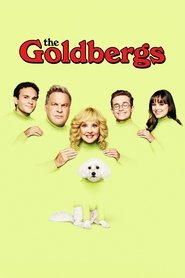
2013
The Goldbergs
2013
star 7.4Before there were parenting blogs, trophies for showing up, and peanut allergies, there was a simpler time called the '80s. For geeky 11-year old Adam these were his wonder years and he faced them armed with a video camera to capture all the crazy. The Goldbergs are a loving family like any other, just with a lot more yelling.The Nanny
1993
The Nanny
1993
star 8.1That flashy girl from Flushing with the heart of an angel (and the voice of a slighty more nasal angel). The comic misadventures of the sweet and sassy Fran Fine, her sophisticated employer, Broadway producer Mr. Sheffield, his boisterous brood and his wisecracking staff.Kang's Family
2000
Kang's Family
2000
star 10Kang's Family; Migrant Wives, Local Husbands (Chinese: 外来媳妇本地郎 is a Cantonese sitcom produced by Guangdong Radio and Television. Filming began on April 18, 2000, and has been broadcast on GRT Pearl River Channel since November 4, 2000, with two episodes on Saturdays and Sundays at 19:00. It is the longest-running and most frequently aired sitcom in Chinese television history. As of May 15, 2021, the show has aired more than 4,000 episodes.The Loud House
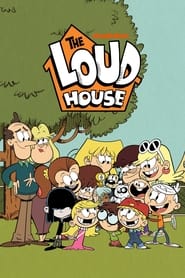
2016
The Loud House
2016
star 7.8Welcome to the Loud House, where life can get pretty crazy. One boy, TEN girls?! Lincoln Loud wouldn’t change it for the world!Touched by an Angel
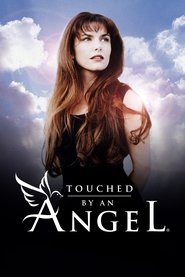
1994
Touched by an Angel
1994
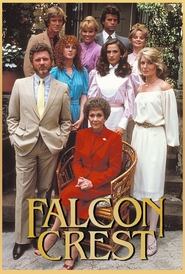
star 7.2Monica, an angel, is tasked with bringing guidance and messages from God to various people who are at a crossroads in their lives.Falcon Crest
1981
Falcon Crest
1981
star 5.5Falcon Crest is an American primetime television soap opera which aired on the CBS network for nine seasons, from December 4, 1981 to May 17, 1990. A total of 227 episodes were produced. The series revolves around the feuding factions of the wealthy Gioberti/Channing family in the Californian wine industry. Jane Wyman starred as Angela Channing, the tyrannical matriarch of the Falcon Crest Winery, alongside Robert Foxworth as Chase Gioberti, Angela's nephew who returns to Falcon Crest following the death of his father. The series was set in the fictitious Tuscany Valley northeast of San Francisco.The Andy Griffith Show
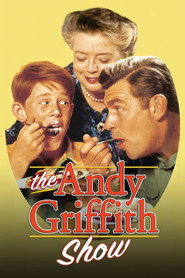
1960
star 7.6Andy Taylor is the widowed sheriff of the fictional small community of Mayberry, North Carolina. His life is complicated by an inept, but well-meaning deputy, Barney Fife, a spinster aunt and housekeeper, Aunt Bee, and a precocious young son, Opie. Local ne'er-do-wells, bumbling pals, and temperamental girlfriends further complicate his life.Wagon Train
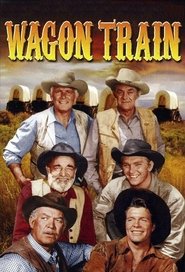
1957
Wagon Train
1957
star 6.6The series initially starred veteran movie supporting actor Ward Bond as the wagon master, later replaced upon his death by John McIntire, and Robert Horton as the scout, subsequently replaced by lookalike Robert Fuller a year after Horton had decided to leave the series. The series was inspired by the 1950 film Wagon Master directed by John Ford and starring Ben Johnson, Harry Carey Jr. and Ward Bond, and harkens back to the early widescreen wagon train epic The Big Trail starring John Wayne and featuring Bond in his first major screen appearance playing a supporting role. Horton's buckskin outfit as the scout in the first season of the television series resembles Wayne's, who also played the wagon train's scout in the earlier film.Bluey
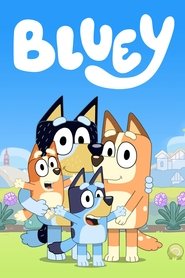
2018
Bluey
2018
star 8.6Bluey is an inexhaustible six year-old Blue Heeler dog, who loves to play and turns everyday family life into extraordinary adventures, developing her imagination as well as her mental, physical and emotional resilience.Bharaghar
2012
Bharaghar
2012
star 8The Tele-serial BHARAGHAR revolves around a family and their various tenants. Based on the relationships between the house owner’s family and the families of the various tenants, the plot of BHARAGHAR is mainly comic and also encompasses the lives of a few neighbours. The different plots are actually a broader reflection of the urban Assamese society. Crisp dialogues and stand-out performances by the cast of the tele-serial has made it one of the most-watched TV serial in the history of Assamese television. Every episode is conceived with a view to providing viewers wholesome entertainment.TV Animal Farm
2001
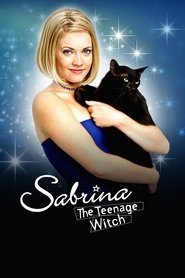
Sabrina, the Teenage Witch
1996
star 7.8On her sixteenth birthday, Sabrina Spellman discovers she has magical powers. She lives with her 600-year-old aunts Hilda and Zelda as well as talking cat Salem in the fictional town of Westbridge, Massachusetts.Inkigayo
1998
Inkigayo
1998
star 7.5The program is a weekly music show that features and introduces viewers to the most popular artists in Korea. Every week, they ask viewers to vote and select the most popular song of the week.Avatar: The Last Airbender
2024
star 7.8A young boy known as the Avatar must master the four elemental powers to save a world at war — and fight a ruthless enemy bent on stopping him.