Family TV Series - Page 34

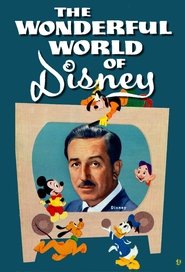
The Wonderful World of Disney
1997
star 6.9Walt Disney Productions (later The Walt Disney Company) has produced an anthology television series under several different titles since 1954. The original version of the series premiered on ABC in 1954. The show was broadcast weekly on one of the Big Three television networks until 1990, a 36-year span with only a two-year hiatus in 1984-85. The series was broadcast on Sunday for 25 of those years. From 1991 until 1997, the series aired infrequently. The program resumed a regular schedule in 1997 on the ABC fall schedule, coinciding with Disney's recent purchase of the network. From 1997 until 2008, the program aired regularly on ABC. Subsequently, ABC continued the series as an occasional special presentation.The European Side
2004
The European Side
2004
star 7.4The life and times of rather traditional Sutcuoglu family and their comedic struggles to adapt the high-profile contemporary life of Nisantasi.Fort Boyard Sweden
1990
Prem Bandhan
2020
Prem Bandhan
2020
An independent girl who has the responsibility of her family on her shoulders and how she meets a cross road and ends up marrying a businessman with a mysterious past.Aquaman
1967
Aquaman
1967
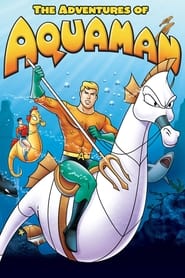
star 7.2Aquaman is a Filmation animated series that premiered on CBS on September 9, 1967, and ended June 1970. It is a 30-minute version of The Superman/Aquaman Hour of Adventure, repackaged without the Superman and Superboy segments. The show is composed of previously-aired adventures featuring the DC Comics superheroes Aquaman and his sidekick Aqualad, the Atom, the Flash and Kid Flash, the Green Lantern and Hawkman. The Justice League of America and Teen Titans are also featured in team adventures.My Favorite Martian
1963
My Favorite Martian
1963
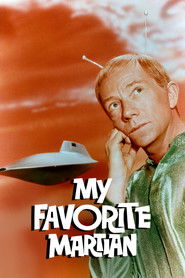
star 6.2Newspaper reporter Tim O'Hara finds a crashed alien spaceship that contains one live alien. Not wanting to be discovered by the authorities, the Martian assumes the identity of Tim's Uncle Martin and begins to repair his spaceship so that he can return to Mars.Nayanatara
2021
Nayanatara
2021
Krypto the Superdog
2005
Krypto the Superdog
2005
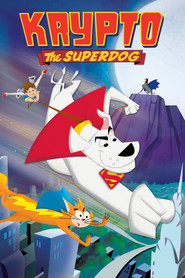
star 6.9Krypto, the Superdog, chronicles the comedic canine adventures of Metropolis' day-saving superdog from Planet Krypton. Krypto jettisons to Earth after traveling across the galaxies as a test-pilot puppy aboard a malfunctioning rocket ship built by Superman's father. Landing astray on unfamiliar terrain, the fully-grown Krypto swiftly seeks out companionship on Earth and flips over Kevin Whitney, a young boy who too longs for friendship. With an amazing array of super hero powers, ranging from heat vision to super strength to flying, Krypto partners with best pal Kevin to fight evil forces that threaten the safety and well-being of the people and animals of Metropolis.Åshöjdens BK
1985
Åshöjdens BK
1985
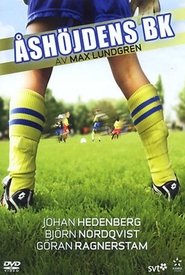
star 7When the legendary football player Bagarn Olsson moves to small town Åshöjden, the boys learn how to kick some balls, and to rock n' roll with The Nautilus.Studio 57
1954
Studio 57
1954
star 7.5Studio 57 is an American anthology series that was broadcast on the now-defunct DuMont Television Network from September 1954 to September 1955, and in syndication from 1955 to 1956.Rüya Gibi
2006
Rüya Gibi
2006
Green Eggs and Ham
2019
Green Eggs and Ham
2019
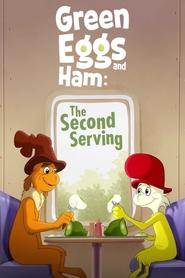
star 8Guy-Am-I, an inventor, and his friend Sam-I-Am go on a cross-country trip that would test the limits of their friendship. As they learn to try new things, they find out what adventure brings.Love From Today
2015
Love From Today
2015
star 5.8A drama about a woman who finally becomes a part of a family after re-adoption and man who chooses love over family.Üvey Baba
1998
Yanchakure
1998
Yanchakure
1998
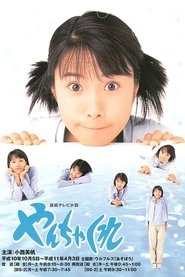
The 59th NHK Asadora Drama is Yanchakure. Location includes Osaka. In Osaka, "yanchakure" is a bit of an old word which is used to describe tomboyish or mischievous young girls. Mizushima Nagisa happens to be such a girl, that, no matter how well-intentioned her motives nor how hard she tries, Nagisa just seems to end up failing. In fact, she has failed at different things in her life so many times that she has come to see it as a source of personal strength, her philosophy being one of, "It's natural for a human being to fail many times in the course of their life and thanks to those failures we can become adults."Yin Yang Yo!
2006
Yin Yang Yo!
2006
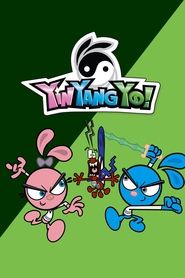
star 7.6Two 11-year-old rabbit twins named Yin and Yang train under Master Yo, a grumpy old panda. They learn the sacred art of Woo Foo, a special type of martial arts that involves both might and magic. They must work together to save the world from evil villains and forces that want to destroy, corrupt or take it over. However, through all these adventures, Yin and Yang still portray stereotypical siblings; belligerently antagonistic but still ultimately caring about each other and working together if needed.Good News Week
1996
Good News Week
1996
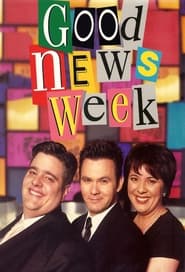
star 8.3Good News Week was an Australian satirical panel game show hosted by Paul McDermott that aired from 19 April 1996 to 27 May 2000, and 11 February 2008 to 28 April 2012. The show's initial run aired on ABC until being bought by Network Ten in 1999. The show was revived for its second run when the 2007–2008 Writers Guild of America strike caused many of Network Ten's imported US programmes to cease production. Good News Week drew its comedy and satire from recent news stories, political figures, media organisations, and often, aspects of the show itself. The show opened with a monologue by McDermott relating to recent headlines, after which two teams of three panellists competed in recurring segments to gain points. The show has spawned three short-lived spin-off series, the ABC's Good News Weekend, Ten's GNW Night Lite and Ten's skit-based Good News World.Brothers and Sisters
2026
Brothers and Sisters
2026
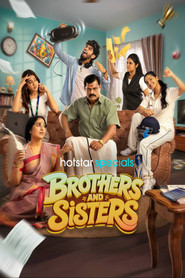
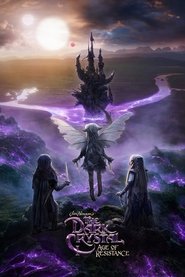
star 9Bound by love and unspoken truths, Shanmuga Sundaram and his devoted family's lives revolve around shared rituals... till hidden cracks begin to surface.The Dark Crystal: Age of Resistance
2019
star 7.8Return to the world of Thra, where three Gelfling discover the horrifying secret behind the Skeksis' power and set out to ignite the fires of rebellion and save their world.Big Shot
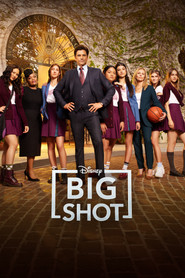
2021
Big Shot
2021
star 7.9After getting ousted from his job in the NCAA for throwing a chair at a referee, a hothead men’s basketball coach Marvyn Korn must take a job at Westbrook School for Girls, a private all-girls high school, in an effort to redeem what's left of his career and reputation.