Kids TV Series - Page 299

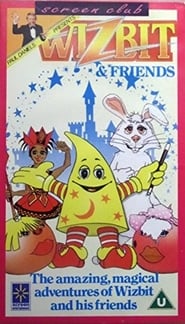
Wizbit
0000
Wizbit
0000
star 7The series is set in Puzzleopolis, a town inhabited by walking, talking sponge-balls, dice, magic wands, playing cards and rabbits, where the protagonists must solve puzzles. Wizbit's year-and-a-day mission is to find out all about planet Earth.Guitar & Drum
2019
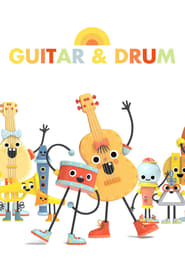
Guitar & Drum
2019
Guitar and Drum are two musical instruments who are best friends and live everyday adventures.TuTiTu
2010
TuTiTu
2010
TuTiTu is a successful 3D-animation video series for kids 2-3 years of age. Young viewers are introduced to a friendly red hovercraft named TuTiTu, who guides them in exploring the basic “building blocks” of the world. In each “toys come to life” episode, colorful shapes are transformed into a new and exciting toy, prompting the child to call out the toy’s name.지헌이네 과학만사성
2019
지헌이네 과학만사성
2019
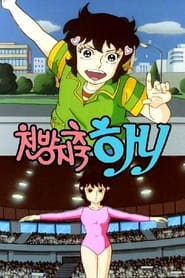
천방지축 하니
1989
천방지축 하니
1989
帮帮龙探险先锋之身世之谜
2024
帮帮龙探险先锋之身世之谜
2024
兔子姐姐认知大作战
2023
兔子姐姐认知大作战
2023
어린이 뮤지컬 백설공주
2015
어린이 뮤지컬 백설공주
2015
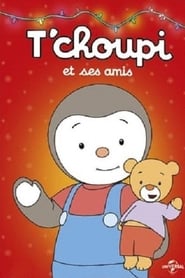
T'choupi et ses amis
2008
T'choupi et ses amis
2008
嘟嘟嘟:超级大力工程车
2025
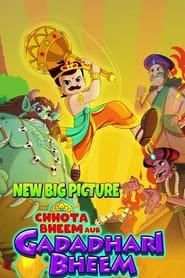
Chhota Bheem aur Gadadhari Bheem
2024
Chhota Bheem and his friends learn all about the adventures of Bhima, a mythical hero who possesses superhuman strength.Barroz & Voodoo
0000
The Circus Comes to Town
0000
The circus is in town! Join in and enjoy the show; watch the clowns perform traditional slapstick tricks, watch the acrobats, magicians and weight lifters perform. Through these performances, children will learn about basic concepts such as big and small, few and many, heavy and light and more.Mr. Conductor's Thomas Tales
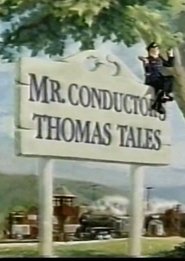
1996
Mr. Conductor's Thomas Tales was a spin-off series of Shining Time Station. The plotlines, secondary to the five stories told by George Carlin in each episode, focused solely on Mr. Conductor. The stories were a mix of those not shown in any Shining Time Station episode, and the previous episodes. A music video was also included at the end of each episode.Big and Small
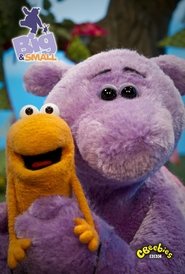
2008
Big and Small
2008
Big and Small are opposites who encounter adventures and misadventures due to their differences, teaching friendship and tolerance through humor and meaningful stories.缇娜托尼之自然认知
2018
缇娜托尼之自然认知
2018
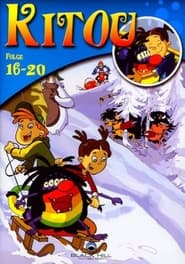
Kitou - The Six Eyed Beast
2002
star 7Kitou lives with his family of monsters in a cave underneath a town. Their favorite thing to do is to wreak havoc. But Kitou is unlike his family. He wants to be kind. One day, he runs away and be friends with a girl named Lucy.我的同学是美人鱼
2023
我的同学是美人鱼
2023
dudadakung
2013
dudadakung
2013