News TV Series - Page 31

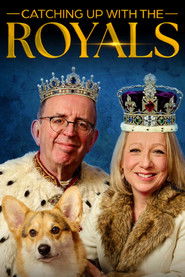
Catching Up With the Royals
2026
Catching Up with the Royals is a weekly Royal show exploring the latest British Royal news and the stories behind the headlines. Join Reverend Richard Coles and Royal journalist Emily Andrews as they go beyond the pomp and pageantry to uncover what’s really happening inside the House of Windsor. Each week, Richard and Emily share expert insight and informed opinion on the biggest Royal stories - from King Charles and Prince William to Prince Harry and Meghan - alongside the quieter developments unfolding behind palace walls. Emily’s years travelling with King Charles, Prince William, and Harry and Meghan, paired with Richard’s passion for royal history and relationships, bring you insider whispers you won’t hear anywhere else. They’ll also take a deep dive into the defining moments of the royal family's history. Whether it's legendary scandals that shocked the world, or lesser-known royal protocols - Richard and Emily will discuss how the Royals' past is still impactful today.Nashville Now
1983
Nashville Now
1983
star 10Country music variety/talk show featured performances by country artists, comedians, and other performers, along with interviews and discussion of the country music industry.Europeans in Space
2021
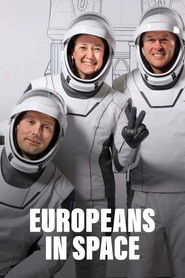
Europeans in Space
2021
The European Space Agency (ESA) has selected a new team of trained astronauts to go not only to the International Space Station, but also to the Moon with the Artemis mission. With the discoveries made by James Webb and new-generation launchers such as Ariane 6, there are many new developments in European space exploration.TVNZ's Breakfast
1997
TVNZ's Breakfast
1997
Breakfast, is a New Zealand morning news and talk show airing weekday mornings on TV ONE, produced by ONE News. Debuting on 11 August 1997, it was the first of its genre in New Zealand. Originally a two hour show, it has expanded to include a Saturday edition. The weekday broadcasts have also been expanded, by 1 hour. Breakfast's dominance was virtually unchallenged by the other networks until 2008, when TV3 launched Sunrise. Sunrise struggled against Breakfast with the ratings.Sunrise went off air because of finance issues in April 2010 leaving Breakfast the only morning news and talk show in New Zealand again until TV3 launched their second attempt at a morning news show Firstline in 2011 . Breakfast is on a current streak of being the highest-rated morning news and talk show every week since 11 August 1997.Prime Minister’s Questions
0000
Questions to the Prime Minister. Held weekly since 1961, Prime Minister's Questions, also referred to as PMQs, gives Members of the British Parliament a chance to question the Prime Minister in the House of Commons. PMQs takes place at midday every Wednesday at the Palace of Westminster when the House of Commons is sitting.Island Insider
2016
Island Insider
2016
Island Insider is a web-series on the Club Penguin Island News Blog (formerly on the What's New Blog). The show is hosted by Bobbi Jean Rieger along with help from Club Penguin Staff members.IMDb's What's on TV
2019
Matins
2004
Entre Aspas
0000
Entre Aspas
0000
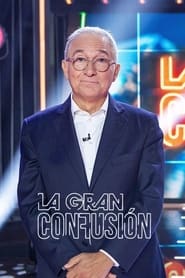
A hot and controversial subject, two guests with divergent opinions and the intelligent mediation of the journalist Monica Waldvogel.La gran confusión
2022
Sportsmagasinet
2023
Sportsmagasinet
2023
Bits
1999
Bits
1999
star 7.3Channel 4's cult late night review show which was originally shown on 4Later before getting a (less risque) morning slot on T4. It's a computer gaming show whose reviewers were three women who actually knew their stuff. Each week featured an unconventional theme running through the show backed up by news, previews and reviews.Saturday Night Live: Weekend Update Summer Edition
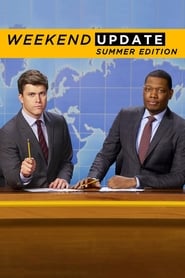
2017
star 1A ready-for-prime-time skewering of newsworthy items and current affairs.Granada Reports
1992
Granada Reports
1992
star 8Granada Reports is a regional news programme for North West England and the Isle of Man, produced by ITV Granada.52 minutes
2020
CBS Mornings Plus
2024
Celebrities Uncensored
2003
star 4.8Celebrities Uncensored is a TV program on the E! network that edited together amusing paparazzi footage of celebrities, usually in public places such as public sidewalks, restaurants, nightclubs, etc. The celebrities were often friendly, but sometimes their more unfriendly antics were featured in an amusing and entertaining way. It was very popular with stars on the rise and created a stir in the Hollywood community. Paris Hilton was first brought to the public's attention by this show.Mega Disasters
2006
Mega Disasters
2006
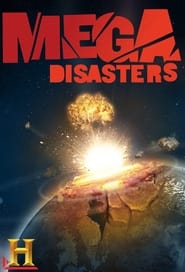
star 8.5Mega Disasters is an American documentary television series that originally aired from May 23, 2006 to July 2008 on The History Channel. Produced by Creative Differences, the program explores potential catastrophic threats to individual cities, countries, and the entire globe. The two "mega-disasters" of the 2004 Indian Ocean tsunami and Hurricane Katrina in 2005 inspired the series and provided a reference point for many of the episodes. Excepting only two shows devoted to man-made disasters, the threats explored can be divided into three general categories: meteorological, geological, and cosmic hazards.