War Politics TV Series - Page 63

Die Kinder der Flucht
2006
"Die Kinder der Flucht" is a three-part German docudrama that portrays the harrowing experiences of children and young people during the final months of World War II and its aftermath in Eastern Europe. The series weaves together dramatized reenactments, archival footage, and poignant interviews with real-life survivors to tell three distinct yet interconnected stories of displacement, survival, and resilience.Shui Zhu Zhong Yuan
2006
Shui Zhu Zhong Yuan
2006
The Death of Yugoslavia
1995
star 7.3The Death of Yugoslavia is a BAFTA-award winning BBC documentary series first broadcast in 1995. It covers the collapse of the former Yugoslavia. It is notable in its combination of never-before-seen archive footage interspersed with interviews of most of the main players in the conflict, including Slobodan Milošević, the then President of Serbia. Norma Percy won the 1996 BAFTA TV Award for 'Best Factual Series' for the documentary. However, it has been argued that it presents a potentially slightly biased point-of-view; for instance during the trial of Milošević before the ICTY in The Hague, Judge Bonomy called the nature of much of the commentary "tendentious" (partisan).Taganrog
2025
Taganrog
2025
star 8The year is 1941. Viktor Shvets, a state security officer, organizes underground resistance against the Nazi occupation under the name of Gustav Schwartz. As a result of his activities, hundreds of people become part of the resistance, commit sabotage, distribute leaflets and prepare an uprising. Vasily Afonov becomes the leader of the underground.垂直打击
2006
垂直打击
2006
The Road to Calvary
1977
The Road to Calvary
1977
star 4.1St. Petersburg, 1914. Pre-revolutionary bourgeois society, decadent intelligentsia - the signs of this troubled time. The focus is on the Bulavina sisters Dasha and Kata, their personal lives, loves, hobbies, and heartfelt dramas.Keşanlı Ali Destanı
2011
Spies
2013
A Man Called Intrepid
1979
star 7During World War II, a wealthy Canadian uses his own money to help the Allies form an espionage network.Neemias
2024
Neemias
2024
Die Wölfe
2009
Die Wölfe
2009
star 8The story of a group of Berlin youths from the post-war period to the post-reunification era. A gripping story of friendship, love and betrayal against a global political backdrop, told in a three-part documentary drama. Friends Kurt, Lotte, Jakob, Silke and Bernd experience everyday life together in post-war Berlin in 1948: between rubble women and the black market, rival youth gangs and first love. Thirteen years later, as the flow of refugees to the West increases, they try to hold on to their friendship. But the estrangement becomes ever more apparent and the gang members lose sight of each other. Only after the fall of the Berlin Wall in 1989 do the former friends finally find each other again and have to ask themselves whether they are still bound by the vow they once made: "Nothing can separate us, not even death"...Decolonisation
2020
Decolonisation
2020
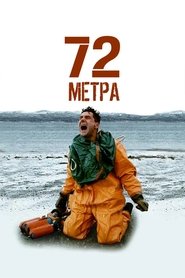
star 8.7The history of decolonization from the point of view of colonized peoples, an epic story that still resonates and reverberates to this day.72 Meters
2004
72 Meters
2004
Lieutenant Captains Pyotr Orlov and Ivan Muravyov have been serving on the Slavyanka submarine for a long time. The next trip to the sea is a planned combat exercise. But no one assumes that a catastrophe will happen this time — the waves from the training explosions will disturb the "sleeping" naval mine since the Second World War.誓言永恒
2009
誓言永恒
2009
Kınalı Kuzular
2006
Kınalı Kuzular
2006
Inherit the Winds
0000
Inherit the Winds
0000
The story takes place in the Bakumatsu era in Kyoto. A solider who has lost his memories is aided by the famous Shinsengumi member Sōji Okita. Sōji Okita names this man "Junsuke Tachikawa." Junsuke's life begins anew amidst the Mibu soldiers.