Comedy TV Series - Page 343

Gatapishi
1990
Gatapishi
1990
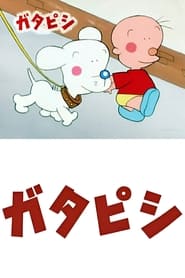
Gatapishi is the name of the little white dog that lives with the Heino family. But Gatapishi isn't an ordinary dog. He is very smart, does whatever he can to help out his family, and can even look after the little boy named Heita.Harts of the West
1993
Harts of the West
1993
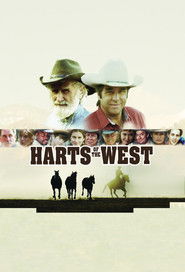
star 6.8Harts of the West is an American Western/comedy–drama series starring Beau Bridges and his father, Lloyd Bridges, set on a dude ranch in Nevada. The series aired on CBS from September 1993, to June 1994.Brown and Friends
2022
Brown and Friends
2022
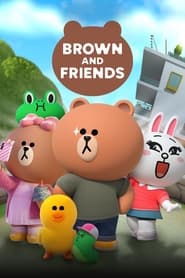
star 7.4In a cozy little neighborhood coffee shop, a group of fun-loving friends get together — and get up to all kinds of adventures.Mongrels
2010
Mongrels
2010
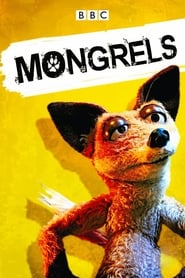
star 7.7Mongrels, formerly known under the working titles of We Are Mongrels and The Un-Natural World, is a British puppet-based situation comedy series first broadcast on BBC Three between 22 June and 10 August 2010, with a making-of documentary entitled "Mongrels Uncovered" broadcast on 11 August 2010. A second series of Mongrels began airing on 7 November 2011. The series revolves around the lives of five anthropomorphic animals who hang around the back of a pub in Millwall, the Isle of Dogs, London. The characters are Nelson, a metrosexual fox; Destiny, an Afghan hound; Marion, a "borderline-retarded" cat; Kali, a grudge-bearing pigeon; and Vince, Nelson's friend, a sociopathic foul-mouthed fox.Baxianzi Team Build
2026
The Bachelor
2012
The Bachelor
2012
star 9The Bachelor is a 2012 Chinese family television series produced by Yujia Shixing Pictures. The series stars Xu Zheng as a 35-year-old single man under parental pressure to get married, and detailed his romantic adventures.Wan Wan Celeb Soreyuke! Tetsunoshin
2006
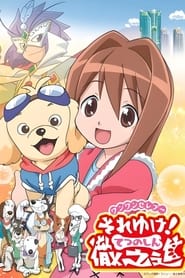
Happongi Hills is high-class residential area where everyone envies the owners. Inuyama family, who manages an IT company, moved Happoingi Hills from local area with their toy poodle pet, Tetsunoshin. However, Tesunoshin was shocked to know that they were very hard up. To protect their life, Tetsunoshin struggles to earn money with his friends.Wild Cardz
1997
Wild Cardz
1997
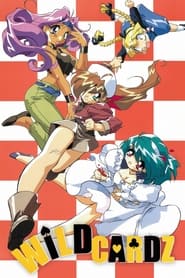
star 3.3Here come the Crown Knights: Sunday Spades — the poker-faced leader and possessor of the mysterious trump power! Jo Diamonds — who can run at the speed of light! Casa Clubs — combat expert who possesses hyper-senses! Coco Hearts — the tricky master of psycho-magic! Together, these cute, card-carrying champions are dealing a world of hurt to the criminals who threaten the tranquil Card Kingdom. But can they checkmate two, invading war machines — shaped like gigantic chess pieces — before the kingdom topples like a house of cards?The Simulators
2008
The Simulators
2008
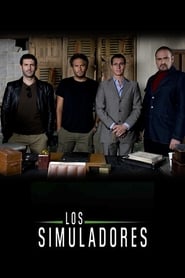
star 8.1A remake of the Argentine series of the same name about a group of four partners who solve common problems through advanced simulation operations.Zevo-3
2010
Zevo-3
2010
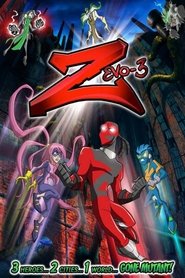
Zevo-3 was an American animated television series that aired on Nicktoons for nearly seven months. It premiered on October 11, 2010 and ended with only one season on May 7, 2011. It is based on three characters that previously appeared in Skechers commercials, although they have been redesigned. It is produced by MoonScoop Group and Skechers Entertainment.The Army Game
1957
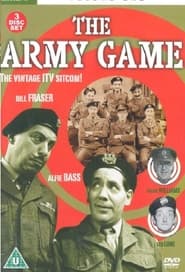
The Army Game
1957
star 7Follows the exploits of Hut 29, a dysfunctional group of soldiers and their National Service conscription into the British Army during the post war years.Porters
2017
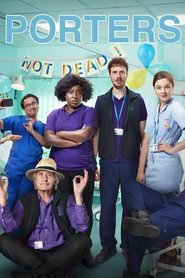
Porters
2017
star 7.7Deluded Simon Porter, dreams of becoming a doctor - but he has to start from the bottom and be a porter. His plan? Work his way up to be the best porter the NHS has ever seen.La Hipocondriaca
2013
La Hipocondriaca
2013
star 7Diagnosed with a terminal illness, Macarena turns her chronic hypochondria into a quest for authenticity, even as her handsome doctor hides a secret.Fresh Fields
1984
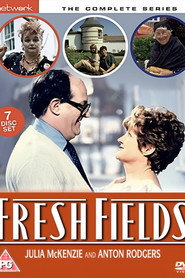
Fresh Fields
1984
star 6.8Fresh Fields is a British situation comedy written by John T. Chapman and produced by Thames Television for ITV between 7 March 1984 and 23 October 1986. A ratings success at the time, the show is well remembered for its opening titles featuring a silhouette of a person in a rocking chair. It stars Julia McKenzie and Anton Rodgers as Hester and William Fields, a devoted middle-class couple with an idyllic suburban lifestyle. William works while Hester keeps home. The crux of the show was that she was always looking to try new hobbies or find ways to improve her life, much of which exasperated her hard-working husband. The family home had a granny flat attached, in which Hester's mother Nancy lived. She was divorced from Hester's father Guy although remarried him as the series progressed. The couple had a daughter called Emma who frequently telephoned but never appeared. Her husband Peter did appear often. They later had a son — the Fields' first grandchild — whom they named Guy, after his great-grandfTake Me Home
2024
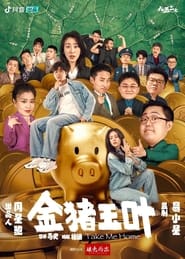
Take Me Home
2024
star 7A Taiwanese lawyer seeking justice for her sister unexpectedly teams up with a Northeastern man chasing his broadcasting dream.The Jane Show
2006
The Jane Show
2006
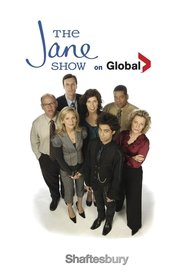
star 6Aspiring novelist Jane Black suddenly winds up unemployed. Hoping for a more conventional lifestyle, she goes in search of a job, hoping to find something with a 40-hour work week and maybe even dental insurance. Her adventures in the corporate world are not so ordinary, however, and she learns that a normal life may not be so normal after all.Magical Pokaan
2006
Magical Pokaan
2006
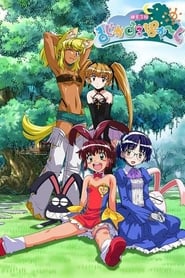
star 6.2The energetic werewolf Liru, the joyful witch-in-training Uma, the motherly android Aiko, and the seductive vampire Pachira—are princesses from the netherworld who have traveled to the human world in search of a new home.Les Jeunes Filles
1978
Les Jeunes Filles
1978
Albert & Herbert
1974
Albert & Herbert
1974
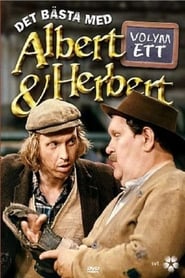
star 7.9Albert & Herbert was a Swedish comedy series that ran in 1974, 1976–1979, 1981–1982, an advent series and a theatre play titled Mordet på Skolgatan 15, and had a spin-off series in 1995. Albert & Herbert, which featured father and son scrap-dealers living together, was an adaptation of Ray Galton and Alan Simpsons's BBC series Steptoe and Son from the 60s and 70s. Albert was played by Sten-Åke Cederhök, and the son Herbert played by Tomas von Brömssen. During the first six episodes, Herbert was played by Lennart Lundh. The characters lived in a dilapidated wooden house in Skolgatan 15, in Haga, Gothenburg.