New Kids TV Series - Page 372
All Services
Free Services
 Netflix
 Amazon Prime Video
 Apple iTunes
 Apple TV Plus
 Disney Plus
 Google Play Movies
 Paramount Plus
 Hulu
Hulu
 HBO Max
 YouTube
 fuboTV
 Peacock
 Peacock Premium
 Amazon Video
 The Roku Channel
 AMC+
AMC on Demand
AMC+
AMC on Demand
 Kocowa
 Hoopla
 The CW
 Vudu
Vudu
 Starz
Starz
 Showtime
 PBS
PBS
 Pantaflix
 FXNow
FXNow
 Tubi TV
 Kanopy
 Comedy Central
 Crunchyroll
 Microsoft Store
 Redbox
 Sun Nxt
 ABC
ABC
 DIRECTV
 Crackle
 Fandor
 Plex
Plex
Netflix
Amazon Prime Video
Apple iTunes
Apple TV Plus
Disney Plus
Google Play Movies
Paramount Plus
Hulu
HBO Max
YouTube
fuboTV
Peacock
Peacock Premium
Amazon Video
The Roku Channel
AMC+
AMC on Demand
Kocowa
Hoopla
The CW
Vudu
Starz
Showtime
PBS
Pantaflix
FXNow
Tubi TV
Kanopy
Comedy Central
Crunchyroll
Microsoft Store
Redbox
Sun Nxt
ABC
DIRECTV
Crackle
Fandor
Plex

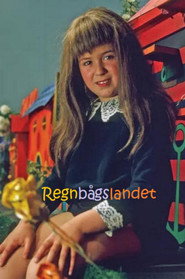
Regnbågslandet
1970
Regnbågslandet
1970
Every day, Nanna steps through a door hidden inside a tree into the colorful Rainbow Land, where it is always summer. There, she meets a host of unusual characters and introduces the inhabitants to Christmas traditions, which they soon celebrate in their own unique ways.Augsburger Puppenkiste - Kleiner König Kalle Wirsch
1970
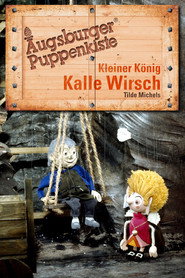
star 9.3Deep underground live the Earthfolk. There are five Earthfolk tribes: the Wirsche, the Wolde, the Gilche, the Murke, and the Trumpe. They have all been ruled for 1,000 years by the kind but slightly eccentric Kalle, a big-hearted, peace-loving Wirsch who serves as their king. One day, however, a proclamation spreads through the realm: all Earthfolk must gather at the Earthfolk Fortress. There, Zoppo Trump intends to challenge King Kalle Wirsch to a duel and seize power. Knowing he can hardly win such a duel, Zoppo and his cronies, Querro and Quarro, the Rat and the Spider, set numerous nasty traps meant to kill the king. If Kalle fails to appear for the duel, the law states that the challenger automatically inherits the throne, making Zoppo king.Magical Mako
1970
Magical Mako
1970
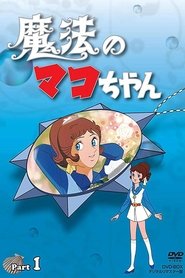
star 6.5Mahō no Mako-chan is a Japanese anime series by Toei Animation. The story is loosely based on the Hans Christian Andersen tale The Little Mermaid. The series has been dubbed into various languages including French, Spanish, Polish and Italian. It is also often known as Mako the Mermaid, Mako-chan’s Magic, Syrenka Mako and Magical Mako-chan. Mahō no Mako-chan aired in 1970 via Nippon Educational TV, which is now TV Asahi.The Adventures of Rupert Bear
1970
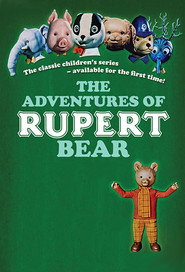
star 6.8The Adventures of Rupert Bear was a live-action/puppet television series, based on the Mary Tourtel character Rupert Bear, produced by ATV Network, and aired from 28 October 1970 to 24 August 1977 on the ITV network, with 156 11-minute episodes produced over four series. Of the 156 episodes made only 74 are known to exist in their original colour film format, while there are a further 16 duplicated on black & white 16mm film. The remaining episodes are currently missing, whereabouts unknown. The characters were all puppets, although the opening sequence memorably featured a toy version of Rupert Bear sitting in a live-action child's bedroom. Rupert's friends and flying chariot appeared straight from the Daily Express pages, although he was joined by some new friends including a sprite called Willy Wisp.O vepříku a kůzleti
1970
O vepříku a kůzleti
1970
Josie and the Pussycats
1970
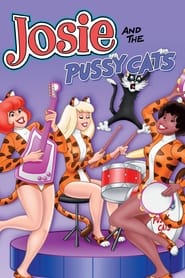
star 7.2Josie and the Pussycats is an American animated television series, based upon the Archie Comics comic book series of the same name created by Dan DeCarlo. Produced for Saturday morning television by Hanna-Barbera Productions, sixteen episodes of Josie and the Pussycats aired on CBS during the 1970-71 television season, and were rerun during the 1971-72 season. In 1972, the show was re-conceptualized as Josie and the Pussycats in Outer Space, sixteen episodes of which aired on CBS during the 1972-73 season and were rerun the following season. Reruns of the original series alternated between CBS, ABC, and NBC from 1974 through 1976. This brought its national Saturday morning TV run on three networks to six years. Josie and the Pussycats featured an all-girl pop music band that toured the world with their entourage, getting mixed up in strange adventures, spy capers, and mysteries. On the small-screen, the group consisted of level-headed lead singer and guitarist Josie, intelligent tambourinist Valerie, and air-headeThe Bugaloos
1970
The Bugaloos
1970
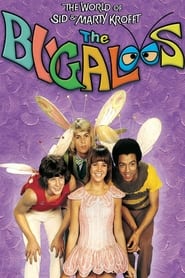
star 6.4The Bugaloos was an American children's television series, produced by brothers Sidney Krofft and Martin Krofft, that aired on NBC on Saturday mornings from 1970 to 1972. The show featured a musical group composed of four British-accented teenagers, who lived in fictional Tranquility Forest. They wore insect-themed outfits with antennae and wings which allowed them to fly, though on occasion, they were shown flying on surfboards. They were constantly beset by the evil machinations of Benita Bizarre, played by comedienne Martha Raye. Bizarre, being untalented and ugly herself, was covetous of the Bugaloos' musical prowess.O klukovi z plakátu
1970
Francouzské pohádky
1970
Francouzské pohádky
1970
Čin-čin
1970
Čin-čin
1970
Mumintrollet
1969
Mumintrollet
1969
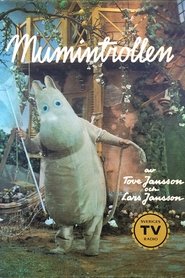
star 7.5Moomintroll was a Swedish television series about the Moomins 1969 directed by Vivica Bandler and Ulla Berglund. The series, which is in 13 parts, is written by Tove and Lars Jansson, and produced by Swedish Radio. The premier was December 5, 1969 on TV2. The series became known for Moomins took off their heads a bit into the series. In 2008 the series was up as the play "The King of Moomin Valley" at the Swedish Theatre in Helsinki.Augsburger Puppenkiste - Urmel aus dem Eis
1969
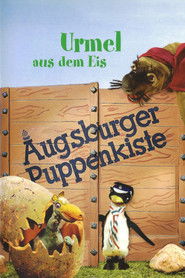
star 8.6There are incredible things on the remote South Sea island of Titiwu: a school that you can skip with impunity and a harmony between humans and animals that was thought to be lost. The absent-minded Professor Habakuk Tibatong has taught some animals to speak. For example, the pig lady Wutz, the shoebill Shush, Ping Penguin and the monitor lizard Wawa. On the rocky reef, the elephant seal sings his "traurögön Lödör" all the time. Unfortunately, every one of them except Wutz has a speech impediment. The orphan Tim Tintenklecks helps the professor when it comes to getting the animals excited about a joint project. And one day it happens: a block of ice is stranded on the shore. Inside is an egg from which a primeval creature hatches - the Urmel. And it can even talk. Professor Tibatong, who has always believed in the existence of the Urmel, does something stupid...Clangers
1969
Clangers
1969
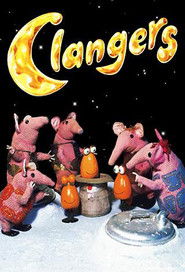
star 7.1Chronicles the melancholically funny lives of the Clangers, a flutey-voiced family of woolen, knitted aliens living below the surface of a knobbly little planet far out in space. Their misadventures brought them into contact with such unlikely creatures as the Soup Dragon, the Froglets, the Iron Chicken and the Glow Buzzers.Sesame Street
1969
Sesame Street
1969
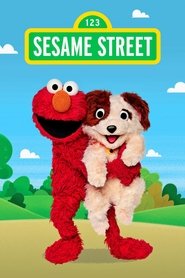
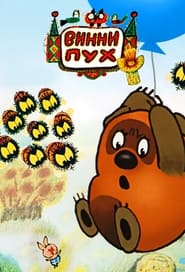
star 7.1On a special inner city street, the inhabitants—human and muppet—teach preschoolers basic educational and social concepts using comedy, cartoons, games, and songs.Winnie-the-Pooh
1969
The Bremen Town Musicians
1969
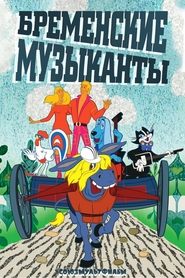
star 6.2A story loosely based on the Brothers Grimm fairy tale 'Town Musicians of Bremen', about a donkey, a dog, a cat, a rooster and their master Troubadour