New Soap TV Series - Page 129
All Services
Free Services
 Netflix
 Amazon Prime Video
 Apple iTunes
 Apple TV Plus
 Disney Plus
 Google Play Movies
 Paramount Plus
 Hulu
Hulu
 HBO Max
 YouTube
 fuboTV
 Peacock
 Peacock Premium
 Amazon Video
 The Roku Channel
 AMC+
AMC on Demand
AMC+
AMC on Demand
 Kocowa
 Hoopla
 The CW
 Vudu
Vudu
 Starz
Starz
 Showtime
 PBS
PBS
 Pantaflix
 FXNow
FXNow
 Tubi TV
 Kanopy
 Comedy Central
 Crunchyroll
 Microsoft Store
 Redbox
 Sun Nxt
 ABC
ABC
 DIRECTV
 Crackle
 Fandor
 Plex
Plex
Netflix
Amazon Prime Video
Apple iTunes
Apple TV Plus
Disney Plus
Google Play Movies
Paramount Plus
Hulu
HBO Max
YouTube
fuboTV
Peacock
Peacock Premium
Amazon Video
The Roku Channel
AMC+
AMC on Demand
Kocowa
Hoopla
The CW
Vudu
Starz
Showtime
PBS
Pantaflix
FXNow
Tubi TV
Kanopy
Comedy Central
Crunchyroll
Microsoft Store
Redbox
Sun Nxt
ABC
DIRECTV
Crackle
Fandor
Plex

Mi segunda madre
1989
Mi segunda madre
1989
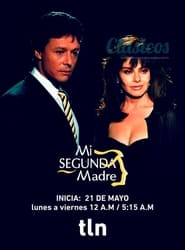
star 7The story tells the story of Diana (Maria Sortè), a highly successful fashion designer married to an unreliable and lying man, Giacomo, and of Gianluca (Enrique Novi), a widower with a 10-year-old girl, Arianna. Diana, after discovering that Giacomo has another wife and two children, Davide and Chicco, abandons him, and leaves for a cruise with her friend Gloria. On the ship he meets Gianluca in the company of Viviana, who is actually staying with him for money. The meeting between Gianluca and Diana is one of those that are not forgotten and, what seemed only physical attraction, turns into true love. Diana is introduced by Gianluca to her daughter and immediately wins her sympathy.O Salvador da Pátria
1989
O Salvador da Pátria
1989
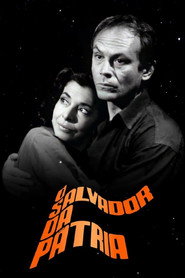
star 7.9Sassá Mutema is a farm laborer who becomes the target of the city's powerful figures' cruelty. With Clotilde's support, he discovers that it's possible to start a new life alongside a great love.Park Avenue
1988
Park Avenue
1988
Park Avenue was a daily teletext based soap opera on ITV's ORACLE Teletext service, which was written by Robbie Burns. It was launched in 1988, and 1,445 episodes were written during its time on air. It later moved to Channel 4 after ORACLE was reorganised, before ending when the service lost its franchise at the end of 1992.Dulce Desafío
1988
Dulce Desafío
1988
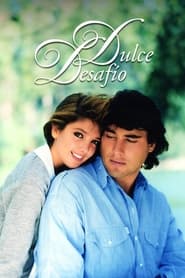
star 6.8Dulce Desafío is a Mexican telenovela starring Adela Noriega and Eduardo Yáñez.Vida Nova
1988
Passerelle
1988
Passerelle
1988
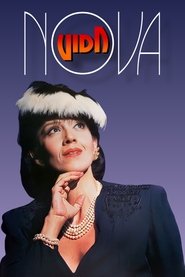
star 8The soap opera tells the story of two families: Cardoso and Guimarães whose bosses are, one of them, bank manager and the other owner of a textile factory, linked to the world of fashion.Abigail
1988
Abigail
1988
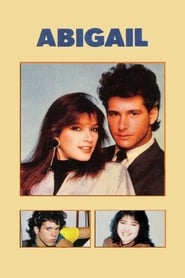
star 4.8Abigail is a Venezuelan telenovela that was produced by and seen on Venezuela's Radio Caracas Televisión. It was written by Elizabeth Alezard, Alberto Gómez, Mariana Luján, Amparo Montalva, and María Helena Portas and directed by Tito Rojas. This telenovela lasted 257 episodes and was distributed internationally by RCTV International.Flor y canela
1988
Amándote
1988
Olho por Olho
1988
Ella contra mí
1988
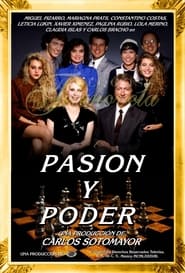
Pasión y poder
1988
Pasión y poder
1988
star 8The telenovela revolves around the family dramas and corporate power struggles of two rival families. This rivalry dates back many years to when Arturo Montenegro and Eládio Gómez Luna vied for the love of the beautiful Ana Laura; ultimately, it was Eládio who married her. Years later, Ana Laura is deeply unhappy, enduring her husband's abuse and cruelty; her only solace is the love of her son Federico, who is the complete opposite of his father. Meanwhile, after being widowed, Arturo married the frivolous Nina, with whom he had three children: Rogelio, Ana Karen, and Paulina. Arturo is so consumed by his business affairs that he fails to notice the humiliations Nina and her children—Rogelio and Paulina—inflict upon Pedro, his son from his first marriage.Alma Mia (1988)
1988
Alma Mia (1988)
1988
Bebê a Bordo
1988
Bebê a Bordo
1988
star 6.2In an action-packed plot set in São Paulo, Ana gives birth to a child in Tonico's car, but abandons the baby to escape the police after becoming involved in a robbery.Vale Tudo
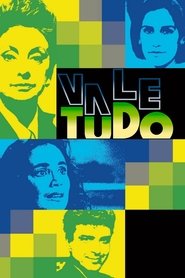
1988
Vale Tudo
1988
star 8.3Fátima Accioly is a young, callous woman who wants to be rich and successful at any price. After selling her family's house in the country, she heads to Rio and gets to know dress man César who is unscrupulous himself. Meanwhile, her mother Raquel stays behind without home and money, but finally tries to find her daughter in the big city. Both women come in contact with the rich Roitman family which changes their lives forever.Pasiones
1988
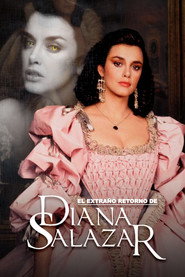
El extraño retorno de Diana Salazar
1988
star 7.5El extraño retorno de Diana Salazar is a 1988 Mexican telenovela starring Lucía Méndez and Jorge Martinez. It is an unusual example of a telenovela which addresses supernatural topics.Wildcat
1988
Wildcat
1988
star 7Cláudia returns to her rural hometown in order to take revenge for the murder of her family a long time ago. She believes that the Flores family committed the crime and tries to destroy them....El pecado de Oyuki
1988
El pecado de Oyuki
1988
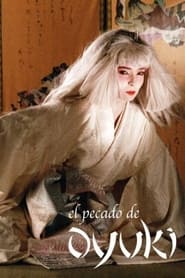
star 7.8El Pecado de Oyuki is a Mexican telenovela produced by Televisa in 1988. It was based on an original story by Yolanda Vargas Dulché, who also adapted the screenplay for television. The original comic book series was in the style of the foto-novela. For the role of Oyuki, the photographer selected the Mexican Japanese Sachiko Tsuchiya. Born in Tepic, Nayarit, she became the most recognizable Asian Mexican of her time. The telenovela was shown in the United States in 1988 through Univision. Dulché's story was also adapted for Brazilian television in 1967 and as a comic published starting April 11, 1975 by Grupo Editorial Vid. The Brazilian version was called "Yoshiko, um poema de amor" and starred actors Luis Gustavo and Rosa Miake.Clave de sol
1988