New Soap TV Series - Page 134
All Services
Free Services
 Netflix
 Amazon Prime Video
 Apple iTunes
 Apple TV Plus
 Disney Plus
 Google Play Movies
 Paramount Plus
 Hulu
Hulu
 HBO Max
 YouTube
 fuboTV
 Peacock
 Peacock Premium
 Amazon Video
 The Roku Channel
 AMC+
AMC on Demand
AMC+
AMC on Demand
 Kocowa
 Hoopla
 The CW
 Vudu
Vudu
 Starz
Starz
 Showtime
 PBS
PBS
 Pantaflix
 FXNow
FXNow
 Tubi TV
 Kanopy
 Comedy Central
 Crunchyroll
 Microsoft Store
 Redbox
 Sun Nxt
 ABC
ABC
 DIRECTV
 Crackle
 Fandor
 Plex
Plex
Netflix
Amazon Prime Video
Apple iTunes
Apple TV Plus
Disney Plus
Google Play Movies
Paramount Plus
Hulu
HBO Max
YouTube
fuboTV
Peacock
Peacock Premium
Amazon Video
The Roku Channel
AMC+
AMC on Demand
Kocowa
Hoopla
The CW
Vudu
Starz
Showtime
PBS
Pantaflix
FXNow
Tubi TV
Kanopy
Comedy Central
Crunchyroll
Microsoft Store
Redbox
Sun Nxt
ABC
DIRECTV
Crackle
Fandor
Plex

Livre Para Voar
1984
Livre Para Voar
1984
star 8.6Set in Poços de Caldas, Minas Gerais, the story shows how Pardal and Bebel, young people newly arrived in the city, fall in love. However, each hides their true identity from the other.Yolanda Luján
1984
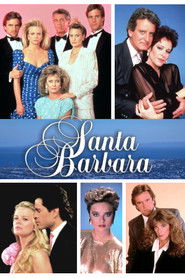
Santa Barbara
1984
Santa Barbara
1984
star 5Santa Barbara is an American television soap opera, first broadcast in the United States on NBC on July 30, 1984, and last aired on January 15, 1993. The show revolves around the eventful lives of the wealthy Capwell family of Santa Barbara, California. Other prominent families featured on the soap were the rival Lockridge family, and the more modest Andrade and Perkins families. Santa Barbara aired in over 40 countries around the world and is best remembered for its witty dialogue and sometimes tongue-in-cheek situations that often seemed like an affectionate parody of the genre. The show won 24 Daytime Emmy Awards and 18 Soap Opera Digest Awards among various other awards.Vereda Tropical
1984
Vereda Tropical
1984
star 8The story revolves around the conflicts within Silvana and Oliva's family—her mother and paternal grandfather—who are fighting for custody of Zeca after the child's father dies.Love and Truth
1984
Love and Truth
1984
Hyo Seon and Min Seon are two sisters who are struggling to find the money to go to university. Their mother reveals a startling birth secret to Min Seon on her deathbed, who then takes advantage of it to better her life at the expense of her sister. How will this deceit affect both their lives?Partido Alto
1984
Eclipse
1984
La pasión de Isabela
1984
Amo y señor
1984
Amor com Amor Se Paga
1984
star 6.7Nonô Corrêa, a character inspired by Molière's "The Miser", is the story's protagonist. The orphan Zezinho crosses paths with Nonô and wins the neurotic gentleman's heart.Los títeres
1984
Los títeres
1984
star 4.5Artemisa returns to Chile in search of the group of people who made her life miserable 20 years ago, as fate has prepared a real puppet show for them.Lace
1984
Lace
1984
star 7.2A young actress gathers three former school friends to find out which one is her natural mother, who gave her up for adoption as a newborn.Guadalupe
1984
Transas e Caretas
1984
Transas e Caretas
1984
star 9The telenovela tells the story of Francisca Moura Imperial, a wealthy businesswoman, and her two sons: Jordão and Tiago, who show little interest in the family business. Jordão is the product of a whirlwind romance in Francisca's youth, while Tiago was born from her marriage to Roberto, a seductive man who moves in high society but is penniless. Francisca is preoccupied with her sons but cannot interfere in their lives as much as she would like. Eccentric and full of outlandish ideas, she decides to undergo plastic surgery, which makes her look 20 years younger, believing that this will bring her closer to Jordão and Tiago. Francisca's greatest concern is that at least one of her sons will marry and give her a grandchild, thus ensuring the continuation of the family name.La fiera
1983
La fiera
1983
star 7.6Natalie, a poor but beautiful girl from a humble neighborhood, falls in love with and wins the heart of Victor Afonso—her childhood friend and the son of the city's wealthiest family. Natalie lives with a cruel old woman who forces her to beg to support her, yet also foresees through fortune-telling cards that "The Beast"—as Natalie is known—will one day find happiness and wealth. Believing this fortune is linked to "The Greek," a wealthy man in love with Natalie, the old woman sells her to him—unaware that Natalie and Victor Afonso had secretly married before he left the country for his studies. When the young man's parents discover the truth, they annul the marriage, indifferent to the fact that "The Beast" is pregnant with his child. Supported by her friend—a cabaret performer known as "La Costeña"—and by The Greek himself, Natalie turns her life around and gives birth to twins; however, she has no idea that The Greek intends to exact a price for all his generosity.Weddings of hate
1983
Weddings of hate
1983
star 8.8Bodas de odio is a Mexican telenovela produced by Ernesto Alonso for Televisa in 1983. Original story by Caridad Bravo Adams and starring Christian Bach, Miguel Palmer and Frank Moro.Vida Roubada
1983
Vida Roubada
1983