New Soap TV Series - Page 145
All Services
Free Services
 Netflix
 Amazon Prime Video
 Apple iTunes
 Apple TV Plus
 Disney Plus
 Google Play Movies
 Paramount Plus
 Hulu
Hulu
 HBO Max
 YouTube
 fuboTV
 Peacock
 Peacock Premium
 Amazon Video
 The Roku Channel
 AMC+
AMC on Demand
AMC+
AMC on Demand
 Kocowa
 Hoopla
 The CW
 Vudu
Vudu
 Starz
Starz
 Showtime
 PBS
PBS
 Pantaflix
 FXNow
FXNow
 Tubi TV
 Kanopy
 Comedy Central
 Crunchyroll
 Microsoft Store
 Redbox
 Sun Nxt
 ABC
ABC
 DIRECTV
 Crackle
 Fandor
 Plex
Plex
Netflix
Amazon Prime Video
Apple iTunes
Apple TV Plus
Disney Plus
Google Play Movies
Paramount Plus
Hulu
HBO Max
YouTube
fuboTV
Peacock
Peacock Premium
Amazon Video
The Roku Channel
AMC+
AMC on Demand
Kocowa
Hoopla
The CW
Vudu
Starz
Showtime
PBS
Pantaflix
FXNow
Tubi TV
Kanopy
Comedy Central
Crunchyroll
Microsoft Store
Redbox
Sun Nxt
ABC
DIRECTV
Crackle
Fandor
Plex

O Sheik de Ipanema
1975
Gabriela
1975
Meu Rico Português
1975
The Unisexers
1975
The Unisexers
1975
star 9The Unisexers is an Australian television soap opera made by Cash Harmon Television for the Nine Network in 1975. The series was produced by the same company that had made the smash hit soap opera Number 96. The Unisexers focused on a group of young people - both male and female - living together in a commune arrangement in the old house of a retired elderly couple whose children had left home. The youngsters set up a business making denim jeans to be worn by both sexes, hence the title of "Unisexers". The cast included: Tina Bursill, Josephine Knur, Steven Tandy, Tony Sheldon, Delore Whiteman, Walter Pym, Jessica Noad and Patrick Ward. The series, hampered by an early evening time slot, failed to find an audience and was cancelled and removed from the television schedules after three weeks on air. A one hour premiere episode and fifteen thirty-minute episodes were broadcast.Cuca Legal
1975
Cuca Legal
1975
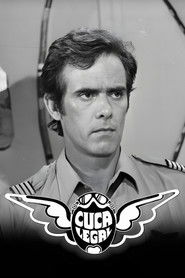
star 8'Cuca Legal' tells the story of Mário Barroso, a single aviator involved with three women at the same time: Virgínia, Irene, and Fátima. Virgínia is a wealthy businesswoman obsessed with the direction of her late father's business; Irene is a middle-class young woman who gives private piano lessons; and Fátima is a poor widow. Mário can't decide which of them is the ideal woman to give him a child with a "cool head" (cuca legal). Things get even more complicated when Maria Joaquina, nicknamed Kinu, Virgínia's mother, also catches the aviator's attention. To escape the troubles he constantly gets into, Mário relies on the help of his mother, Dalva, and Jacaré, his great friend.Paloma
1975
Escalada
1975
Rooms
1974
Rooms
1974
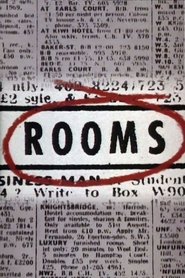
star 7Rooms is a 1974–77 British afternoon soap created by John Finch and produced by Thames Television for ITV. Each story is two parts, concerning the various drifters who rent rooms in a lodging-house at 35 Mafeking Terrace.O Rebu
1974
Mundo de Juguete
1974
Mundo de Juguete
1974
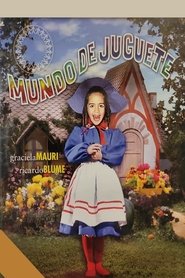
star 9Mundo de Juguete is a telenovela produced in Mexico by Televisa in 1974. It is a remake of telenovela Papá Corazón. This telenovela holds the record for having the second longest run ever for a Latin American telenovela, with a total of 605 episodes. Most telenovelas run for an average of six to eight months; the shortest ones run about four months, and the longest up to a year. Many "Mundo de Juguete" fans believe that either all or some of the tapes and film from the telenovela were lost when Televisa collapsed during the 1985 earthquake. Televisa has been secretive regarding which tapes were lost during that earthquake, so there is no way of confirming this. However, such claims can be disputed, considering that the Telenovela has been repeated on television several times after 1985. During the nineties, it was repeated on Mexico City Canal 9. For a period of time, it was also shown on Unicable or on Telenovelas Televisa remade the telenovela in 2000, and called it "Carita de Angel".People of the Valley
1974
People of the Valley
1974
star 9Daily soap featuring the fictional residents of the village of Cwmderi.Ídolo de Pano
1974
Corrida do Ouro
1974
Corrida do Ouro
1974
star 8Five women inherit a fortune from a stranger, but to claim the money they must fulfill certain requirements. How much is it worth to choose our own destiny?A Barba Azul
1974
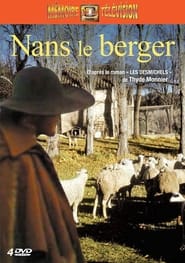
Nans le berger
1974
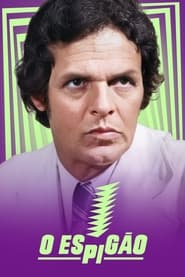
O Espigão
1974
O Espigão
1974
star 9Lauro Fontana wants to build the biggest hotel in Brazil, but he needs to convince the Camará brothers to sell the mansion they live in, facing ethical dilemmas and personal obstacles.Little Meg the Witch Girl
1974
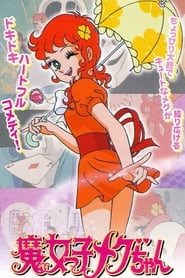
star 5.8Majokko Megu-chan is a magical girl anime series. The manga was created by Tomo Inoue and Akio Narita, while the 72-episode anime series was produced by Toei Animation between 1974 and 1975. This series is considered an important forerunner of the present day magical girl genre, as the series' characterization and general structure exerted considerable influence over future shows in the same genre. Most notably, several of the show's recurring motifs were recycled in Toei's Sailor Moon, AIC's Pretty Sammy, and Wedding Peach.Os Inocentes
1974