New Talkshow TV Series - Page 250
All Services
Free Services
 Netflix
 Amazon Prime Video
 Apple iTunes
 Apple TV Plus
 Disney Plus
 Google Play Movies
 Paramount Plus
 Hulu
Hulu
 HBO Max
 YouTube
 fuboTV
 Peacock
 Peacock Premium
 Amazon Video
 The Roku Channel
 AMC+
AMC on Demand
AMC+
AMC on Demand
 Kocowa
 Hoopla
 The CW
 Vudu
Vudu
 Starz
Starz
 Showtime
 PBS
PBS
 Pantaflix
 FXNow
FXNow
 Tubi TV
 Kanopy
 Comedy Central
 Crunchyroll
 Microsoft Store
 Redbox
 Sun Nxt
 ABC
ABC
 DIRECTV
 Crackle
 Fandor
 Plex
Plex
Netflix
Amazon Prime Video
Apple iTunes
Apple TV Plus
Disney Plus
Google Play Movies
Paramount Plus
Hulu
HBO Max
YouTube
fuboTV
Peacock
Peacock Premium
Amazon Video
The Roku Channel
AMC+
AMC on Demand
Kocowa
Hoopla
The CW
Vudu
Starz
Showtime
PBS
Pantaflix
FXNow
Tubi TV
Kanopy
Comedy Central
Crunchyroll
Microsoft Store
Redbox
Sun Nxt
ABC
DIRECTV
Crackle
Fandor
Plex

Nachtstudio
1997
Nachtstudio
1997
Lorraine Live
1997
Anthropology
1997
Anthropology
1997
The View
1997
The View
1997
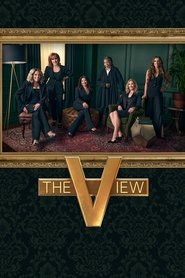
star 4.3ABC Daytime's morning chatfest, currently featuring Whoopi Goldberg, Joy Behar, Sunny Hostin, Sara Haines, Alyssa Farah Griffin, and Ana Navarro discussing the most exciting events of the day. Hot topics in the news, the best experts in their field, celebrity interviews and general entertainment are all part of The View.Happy Camp
1997
Happy Camp
1997
star 5.3Happy Camp is a Chinese variety show produced by Hunan Broadcasting System. The series debuted in 1997, and has remained in production since then due to its popularity. The show was hosted by the Happy Family: He Jiong, Li Weijia, Xie Na, Du Haitao, and Wu Xin. Happy Camp is one of China's most popular shows, with a viewership of tens of millions.The RuPaul Show
1997
The RuPaul Show
1997
star 9The RuPaul Show is an American talk/variety show that premiered on VH1 in 1996. Hosted by drag performer, RuPaul, the show had many famous musical guests and was notable as being one of the first national television programs in the United States hosted by an openly gay host. Former singer turned radio personality, Michelle Visage was the show's co-host.Ruby
1997
Ruby
1997
star 9Ruby was a late-night talk show broadcast on BBC Two in the United Kingdom. The series premiered on 12 May 1997, and was hosted by writer and comedian Ruby Wax. In each episode Wax holds an unscripted roundtable discussion with up to five guests. Framed as a dinner party, guests included actors, writers, stand-up comedians, musicians, journalists and other well-known figures in the entertainment industry. A total of 48 episodes were broadcast between May 1997 and November 2000.Mediterranean Condominium
1997
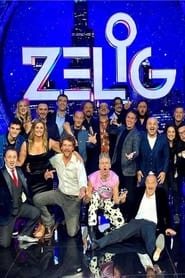
In an exotic loft, the two accidental tourists Syusy Blady and Patrizio Roversi receive from this evening on Raitre, in prime time, a large and picturesque group of friends to comment on the films of their travels.Zelig
1997
Alô, Christina
1997
Alô, Christina
1997
Brunch
1997
Brunch
1997
HARDtalk
1997
HARDtalk
1997
star 8.7In-depth interviews with hard-hitting questions and sensitive topics being covered as famous personalities from all walks of life talk about the highs and lows in their lives.The Jack Docherty Show
1997
star 8The Jack Docherty Show was a nightly comedy chat show which aired on Channel 5 in the United Kingdom between 1997 and 1999. Presented by comedian Jack Docherty the programme was one of the first to air on the channel, doing so as part of its opening night schedule on 30 March 1997. The show was recorded at London's Whitehall Theatre during the early evening and would then be broadcast in a late-night slot. It featured a mixture of chat with celebrity guests, comedy, and music, and followed a similar format to shows such as NBC's Late Night with David Letterman in the United States.Taff
1997
Taff
1997
star 4.2Taff is a tabloid news magazine airing on the German television network, ProSieben.Split Screen
1997
Split Screen
1997
star 8Split Screen was a television series that originally aired from 1997 to 2001 on IFC. The series focused on independent filmmaking in America and was hosted by John Pierson. Split Screen featured segments from many notable filmmakers, actors, and actresses including: Kevin Smith, Spike Lee, Matt Damon, Edward Norton, Buck Henry, Wes Anderson, Steve Buscemi, John Waters, John Turturro, Christopher Walken, Richard Linklater, Errol Morris, Miranda July, and William H. Macy.Aamu-TV
1997
Aamu-TV
1997
star 10Aamu-TV is a Finnish TV morning news and magazine programme directed by Annina Enbuske and Erja Ollonen which has been broadcast on YLE TV1 in Finland since 3 March 1997. The programme is relayed outside of Finland by TV Finland which is available terrestrially in parts of Sweden and by satellite.Tietjen und Bommes
1997
Tæskeholdet
1997
The Dome
1997
The Dome
1997
star 9.5The Dome is a German television program and music event, produced and broadcast by RTL 2. Roughly every three months, a new show is recorded in an event hall in different cities in Germany and Austria. In each episode, several national, but also international bands and musicians perform their recent songs in front of a crowd of 5,000 to 15,000 people. Additionally, a compilation album is published when a new episode of The Dome is broadcast.