New TV Series on Amazon Prime Video - Page 227
All Services
Free Services
 Netflix
 Amazon Prime Video
 Apple iTunes
 Apple TV Plus
 Disney Plus
 Google Play Movies
 Paramount Plus
 Hulu
Hulu
 HBO Max
 YouTube
 fuboTV
 Peacock
 Peacock Premium
 Amazon Video
 The Roku Channel
 AMC+
AMC on Demand
AMC+
AMC on Demand
 Kocowa
 Hoopla
 The CW
 Vudu
Vudu
 Starz
Starz
 Showtime
 PBS
PBS
 Pantaflix
 FXNow
FXNow
 Tubi TV
 Kanopy
 Comedy Central
 Crunchyroll
 Microsoft Store
 Redbox
 Sun Nxt
 ABC
ABC
 DIRECTV
 Crackle
 Fandor
 Plex
Plex
Netflix
Amazon Prime Video
Apple iTunes
Apple TV Plus
Disney Plus
Google Play Movies
Paramount Plus
Hulu
HBO Max
YouTube
fuboTV
Peacock
Peacock Premium
Amazon Video
The Roku Channel
AMC+
AMC on Demand
Kocowa
Hoopla
The CW
Vudu
Starz
Showtime
PBS
Pantaflix
FXNow
Tubi TV
Kanopy
Comedy Central
Crunchyroll
Microsoft Store
Redbox
Sun Nxt
ABC
DIRECTV
Crackle
Fandor
Plex

Inside Sportfishing
1989
Inside Sportfishing
1989
Over a 27-year broadcast run, Inside Sportfishing became the highest-rated, longest-running fishing show in Fox Sports history.A Tale of Two Cities
1989
A Tale of Two Cities
1989
star 5.7A pair of lookalikes, one a former French aristocrat and the other an alcoholic English lawyer, fall in love with the same woman amongst the turmoil of the French Revolution.Baywatch
1989
Baywatch
1989
star 6Join the Baywatch lifeguards on their thrilling adventures filled with beautiful beaches and those iconic red swimsuits.Coach
1989
Coach
1989
star 6.7Hayden Fox, the curmudgeonly coach of Minnesota State University's Screaming Eagles football team, tries to navigate his way through the sports world, fatherhood and family life without dropping the ball.Behaving Badly
1989
Behaving Badly
1989
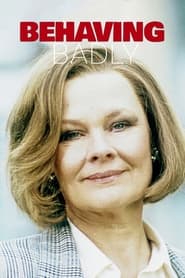
star 4.3Behaving Badly is a 1989 British television serial directed by David Tucker. The teleplay by Catherine Heath and Moira Williams is based on Heath's novel of the same name. It was initially broadcast by Channel 4. The series was released on DVD in 2005. The plot focuses on Bridget Mayor, a middle-aged housewife and part-time teacher who is forced to re-evaluate her life when her husband of twenty years abandons her for a younger woman.Lonesome Dove
1989
Lonesome Dove
1989
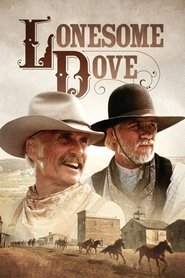
star 7.9A pair of longtime friends and former Texas Rangers crave one last adventure before hanging-up their spurs. After stealing over a thousand head of cattle from rustlers south of the border, they recruit an unlikely crew of hands to drive the herd 3,000 miles north to the grasslands of Montana.Goku Midnight Eye
1989
Goku Midnight Eye
1989
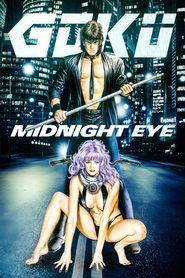
star 7.4Goku is a detective who has an "eye of god," a mysterious group gave him this artificial eye that enables him to control any computer.Young Charlie Chaplin
1989
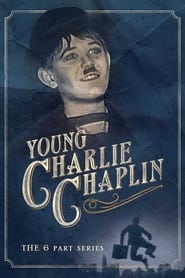
star 10The challenging and spirited early life of cinema's first great comedic artist, Charlie Chaplin, is portrayed. The innately talented young Charlie must overcome a wayward life of poverty and familial chaos to reach the pinnacle of stardom.Desmond's
1989
Desmond's
1989
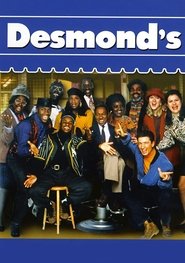
star 7.3Desmond's was a British television situation comedy broadcast by Channel 4 from 1989 to 1994. With 71 episodes, Desmond's became Channel 4's longest-running sitcom. The first series was shot in 1988, with the first episode broadcast in January 1989. The show was made in and set in Peckham, London, England and featured a predominantly Black British Guyanese cast. Conceived and co-written by Trix Worrell, and produced by Charlie Hanson and Humphrey Barclay, this series starred Norman Beaton as barber Desmond Ambrose. Desmond's shop was a gathering place for an assortment of local characters.Babar
1989
Babar
1989
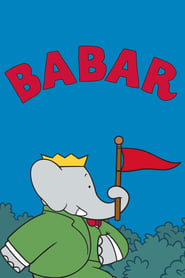
star 6.3Inspired by Jean de Brunhoff and Laurent de Brunhoff's beloved children's books, this animated series tells Babar's life story from the elephant king's point of view, reliving his early days as a young pachyderm with important lessons to learn.American Gladiators
1988
American Gladiators
1988
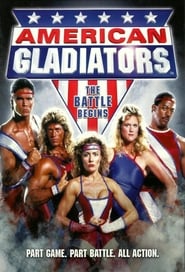
star 5.8American Gladiators is an American competition television program that aired weekly in syndication from September 1989 to May 1996. The series matched a cast of amateur athletes against each other, as well as against the show's own gladiators, in contests of strength and agility. The concept was created by Dan Carr and John C. Ferraro, who held the original competition at Erie Tech High School in Erie, Pennsylvania. They sold the show to The Samuel Goldwyn Company where the concept was enhanced and became American Gladiators. An effort in 2004 to launch a live American Gladiators show on the Las Vegas Strip became mired in a securities fraud prosecution. However, the television series was restarted in 2008. Episodes from the original series were played on ESPN Classic from 2007 to 2009. Several episodes are available for download on Apple's iTunes Service.The Rainbow
1988
The Rainbow
1988
star 3.8Ursula Brangwen is the beautiful, naive daughter of a wealthy country squire, one of five children living in the Nottinghamshire mining heartland at the turn of the century. From wide-eyed sixteen-year-old to fully grown woman, the drama follows Ursula through the trials and tribulations of her burgeoning personal relationships in her quest to find fulfilment for her developing passionate and sensual nature. Adaptation of DH Lawrence's novel.Christabel
1988
Christabel
1988
star 6Englishwoman Christabel Burton marries German lawyer Peter Bielenberg and resides in WWII-era Nazi Germany. When Peter is arrested for plotting against Hitler, Christabel is forced to confront her loyalties and consider using her connection to Winston Churchill to help him.Unsolved Mysteries
1988
Unsolved Mysteries
1988
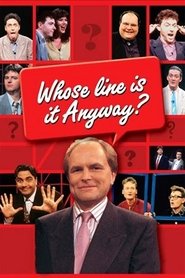
star 7.7Combines four to five segments of dramatic re-enactments, interviews and updates of real human and paranormal mysteries. An audience interactive call-to-action request allowed viewers to call in with tips to help solve the cases.Whose Line Is It Anyway?
1988
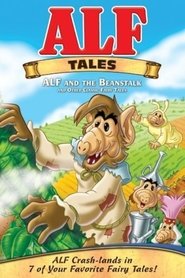
star 7.7An un-scripted comedy show in which four guest performers improvise their way through a series of games, many of which rely on audience suggestions.Alf Tales
1988
Alf Tales
1988
star 7.4ALF Tales is an animated American series that ran on the NBC television network on Saturdays from August 1988 to December 1989. The show was a spinoff from the series ALF: The Animated Series. The show had characters from that series play various characters from fairy tales. The fairy tale was usually altered for comedic effect in a manner relational to Fractured Fairy Tales. Each story typically spoofs a film genre, such as the "Cinderella" episode done as an Elvis movie. Some episodes featured a "fourth wall" effect where ALF is backstage preparing for the episode, and Rob Cowan would appear drawn as a TV executive to try to brief ALF on how to improve this episode. For instance Cowan once told ALF who was readying for a medieval themed episode that "less than 2% of our audience lives in the Dark Ages".The Storyteller
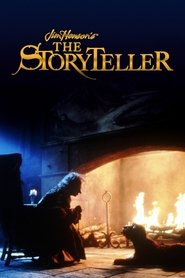
1988
The Storyteller
1988
star 8.2The Storyteller, aided by his cynical dog, narrates classic folk tales, fables, and legends.In the Heat of the Night
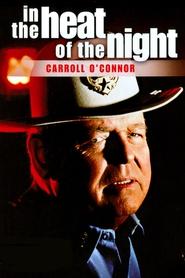
1988
star 7.6In the Heat of the Night is an American television series based on the motion picture and novel of the same name starring Carroll O'Connor as the white police chief William Gillespie, and Howard Rollins as the African-American police detective Virgil Tibbs. It was broadcast on NBC from 1988 until 1992, and then on CBS until 1995. Its executive producers were Fred Silverman, Juanita Bartlett and Carroll O'Connor. TGG Direct released the first season of the series to DVD on August 28, 2012.Noble House
1988
Noble House
1988
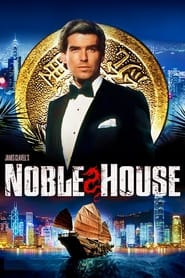
star 7.1Despite its impressive history and reputation, the international trading company Struan's is in trouble. Overextended by the previous management, new tai-pan Ian Dunross has had to issue public stock to improve the company's financial standing. Even this, however, has not given him the capital he needs. As a result, he is courting a private investor, American billionaire Linc Bartlett. Bartlett decides secretly to back Dunross' arch enemy, Quillian Gornt, who will stop at nothing to destroy Struan's. When Dunross realises that Gornt is suddenly strong enough to ruin the Noble House, he must urgently forge new alliances or reshape ancient ones.Wish Me Luck
1988
Wish Me Luck
1988
star 6.5A secret organisation called The Outfit recruits and trains civilians, sending them undercover to aid in the war effort, or placing them in administrative tasks to aid the group. Each person arrives at The Outfit by a different route: Mathilde ('Matty') escaped to London from France and wants desperately to contribute to the war effort; Liz, whose husband is serving overseas and whose brother has just died in the war, stumbles into the group almost by accident. Former actor Colin Beale also trains for undercover work. Vivien's husband was executed when his work with The Outfit was uncovered. But they all come together against the common enemy.