New Comedy TV Series on Free Services - Page 46
All Services
Free Services
 Netflix
 Amazon Prime Video
 Apple iTunes
 Apple TV Plus
 Disney Plus
 Google Play Movies
 Paramount Plus
 Hulu
Hulu
 HBO Max
 YouTube
 fuboTV
 Peacock
 Peacock Premium
 Amazon Video
 The Roku Channel
 AMC+
AMC on Demand
AMC+
AMC on Demand
 Kocowa
 Hoopla
 The CW
 Vudu
Vudu
 Starz
Starz
 Showtime
 PBS
PBS
 Pantaflix
 FXNow
FXNow
 Tubi TV
 Kanopy
 Comedy Central
 Crunchyroll
 Microsoft Store
 Redbox
 Sun Nxt
 ABC
ABC
 DIRECTV
 Crackle
 Fandor
 Plex
Plex
Netflix
Amazon Prime Video
Apple iTunes
Apple TV Plus
Disney Plus
Google Play Movies
Paramount Plus
Hulu
HBO Max
YouTube
fuboTV
Peacock
Peacock Premium
Amazon Video
The Roku Channel
AMC+
AMC on Demand
Kocowa
Hoopla
The CW
Vudu
Starz
Showtime
PBS
Pantaflix
FXNow
Tubi TV
Kanopy
Comedy Central
Crunchyroll
Microsoft Store
Redbox
Sun Nxt
ABC
DIRECTV
Crackle
Fandor
Plex

That Girl
1966
That Girl
1966
star 6.2That Girl is an American sitcom that ran on ABC from 1966 to 1971. It stars Marlo Thomas as the title character Ann Marie, an aspiring actress, who moves from her hometown of Brewster, New York to try to make it big in New York City. Ann has to take a number of offbeat "temp" jobs to support herself in between her various auditions and bit parts. Ted Bessell played her boyfriend Donald Hollinger, a writer for Newsview Magazine; Lew Parker and Rosemary DeCamp played Lew Marie and Helen Marie, her concerned parents. Bernie Kopell, Ruth Buzzi and Reva Rose played Ann and Donald's friends. That Girl was developed by writers Bill Persky and Sam Denoff, who had served as head writers on The Dick Van Dyke Show earlier in the 1960s.Tales to Keep You Awake
1966
star 7.3Tales of terror by established authors such as Ray Bradbury or Edgar Allan Poe, as well as original scripts.Petticoat Junction
1963
Petticoat Junction
1963
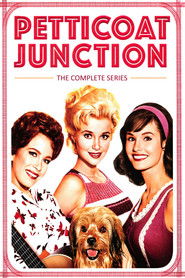
star 5.9The Bradley family are proud owners of the Shady Rest Hotel. Kate and her three young daughters do the job of running the hotel.The Lucy Show
1962
The Lucy Show
1962
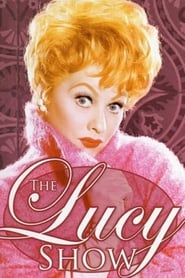
star 7The Lucy Show is an American sitcom that aired on CBS from 1962–68. It was Lucille Ball's follow-up to I Love Lucy. A significant change in cast and premise for the 1965–66 season divides the program into two distinct eras; aside from Ball, only Gale Gordon, who joined the program for its second season, remained. For the first three seasons, Vivian Vance was the co-star. The earliest scripts were entitled The Lucille Ball Show, but when this title was declined, producers thought of calling the show This Is Lucy or The New Adventures of Lucy, before deciding on the title The Lucy Show. Ball won consecutive Emmy Awards as Outstanding Lead Actress in a Comedy Series for the series' final two seasons, 1966–67 and 1967–68.The Beverly Hillbillies
1962
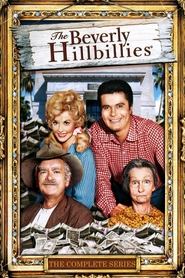
star 6.9Jed Clampett's swamp is loaded with oil. When a wildcatter discovers the huge pool, Jed sells his land to the O.K. Oil Company and at the urging of cousin Pearl, moves his family to a 35-room mansion in Beverly Hills, California.Beetle Bailey
1962
Beetle Bailey
1962
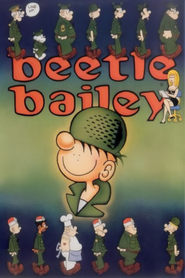
star 5.9Beetle Bailey, the Private who'd rather drop and nap than drop and "do 20," is the wise-cracking joker of the most famous Army camp –Camp Swampy, where befuddled General Halftrack still hasn't heard from the Pentagon, grumbling Sgt. Snorkle has never had a date, Beetle hasn't washed his socks, and Cooke still makes those high-bouncing meatballs. Join Beetle Bailey and his army buddies and sound off with laughter.The Dick Van Dyke Show
1961
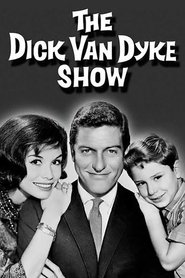
star 7.6The Dick Van Dyke Show centers around the work and home life of television comedy writer Rob Petrie. The plots generally revolve around problems at work, where Rob got into various comedic jams with fellow writers Buddy Sorrell, Sally Rogers and producer Mel Cooley.The Joey Bishop Show
1961
The Joey Bishop Show
1961
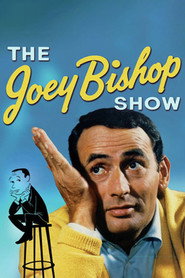
star 6The Joey Bishop Show is an American sitcom starring entertainer Joey Bishop. The series premiered in September 1961 on NBC where it aired for three seasons. The series then moved to CBS for its final season. Executive produced by Danny Thomas, The Joey Bishop Show is a spin-off of Thomas' series The Danny Thomas Show.Car 54, Where Are You?
1961
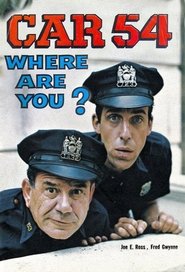
star 7.3The misadventures of two of New York's finest in the 53rd precinct in the Bronx. Toody, the short, stocky and dim-witted one, either saves the day or messes things up, much to the chagrin of Muldoon, the tall, lanky and smart one.Angel
1960
Angel
1960
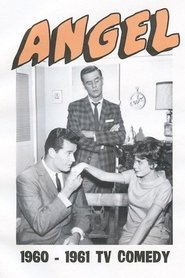
star 4.2Angel is an American sitcom that aired on CBS during the 1960–1961 television season. The series was created and executive produced by Jess Oppenheimer, and stars Annie Fargé as the title character.The Andy Griffith Show
1960
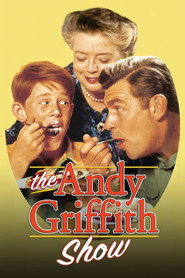
star 7.6The Andy Griffith Show is an American sitcom first televised on CBS between October 3, 1960 and April 1, 1968. Andy Griffith portrays the widowed sheriff of the fictional small community of Mayberry, North Carolina. His life is complicated by an inept, but well-meaning deputy, Barney Fife, a spinster aunt and housekeeper, Aunt Bee, and a precocious young son, Opie. Local ne'er-do-wells, bumbling pals, and temperamental girlfriends further complicate his life. Andy Griffith stated in a Today Show interview, with respect to the time period of the show: "Well, though we never said it, and though it was shot in the '60s, it had a feeling of the '30s. It was when we were doing it, of a time gone by." The series never placed lower than seventh in the Nielsen ratings and ended its final season at number one. It has been ranked by TV Guide as the 9th-best show in American television history. Though neither Griffith nor the show won awards during its eight-season run, series co-stars Knotts and Bavier accumulated a combineEastern Wisdom and Modern Life
1959
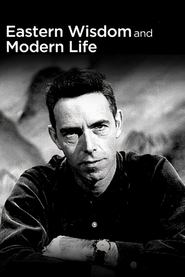
Join Alan Watts in season one of On Eastern Wisdom & Modern Life. His inaugural season introduces and begins to break down our understanding of what is and what could be.Dennis the Menace
1959
Dennis the Menace
1959
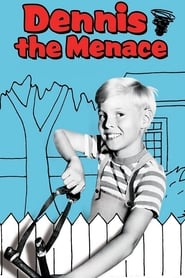
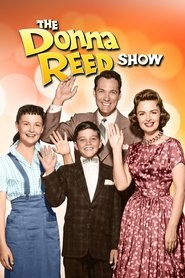
star 6.6This 1959-1963 television situation comedy series follows the lives of the Mitchell family, Henry, Alice, and their only child Dennis, an energetic, trouble-prone, mischievous, but well-meaning boy, who often tangles with his peace-and-quiet-loving neighbor George Wilson, a retired salesman, or, later, with George's brother John, a writer. Dennis is basically a good, well-intentioned boy who always tries to help people, but who winds up making situations worse – often at Mr. Wilson's expense.The Donna Reed Show
1958
The Donna Reed Show
1958
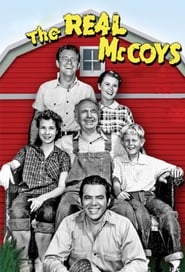
star 6.5Revolves around typical family problems, such as firing a clumsy housekeeper, throwing a retirement bash for a colleague, and finding quality time away from the children.The Real McCoys
1957
The Real McCoys
1957
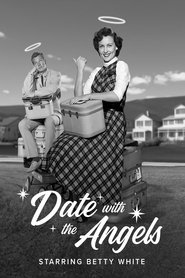
star 5.9The Real McCoys is an American situation comedy co-produced by Danny Thomas' "Marterto Productions", in association with Walter Brennan and Irving Pincus' "Westgate" company. The series aired for five seasons on the ABC-TV network from 1957 through 1962 and then for its final year on CBS from 1962 to 1963. The series, set in the San Fernando Valley of California, was filmed in Hollywood at Desilu studios.Date with the Angels
1957
Date with the Angels
1957
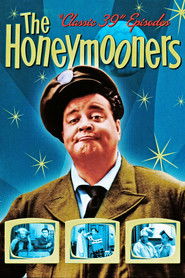
star 6.3Date with the Angels is an American sitcom that aired on ABC from May 10, 1957 to January 29, 1958. The series, which stars Betty White and Bill Williams, began as a late season replacement for The Ray Anthony Show for the same sponsor, Chrysler's Plymouth division. Tom Kennedy was the show's announcer and spokesman for Plymouth.The Honeymooners
1955
The Honeymooners
1955
star 7.4A bus driver and his sewer worker friend struggle to strike it rich while their wives look on with weary patience. One of the most influential situation comedy television series in American history.Father Knows Best
1954
Father Knows Best
1954
star 6.6Family man Jim Anderson copes with the everyday problems among his wife Margaret and their three children as they experience day-to-day changes.Hey Mulligan
1954
Hey Mulligan
1954
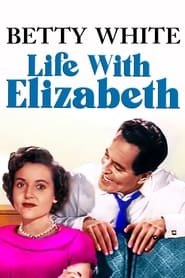
star 6.8An NBC page aspires to an acting career, amid various challenges (including his size). Also known as `Hey Mulligan.'Life with Elizabeth
1953
Life with Elizabeth
1953
star 5.5Elizabeth and Alvin are a married couple who live an ordinary suburban life, but inevitably managed to get into predicaments. At the end of most predicaments, Alvin, in variable degrees of frustration, would say, "I shall leave you now, Elizabeth" and would walk out of sight. The announcer would say, "Elizabeth, aren't you ashamed?" She would slowly nod, but then, with a slightly devilish grin, would vigorously shake her head to indicate she wasn't.