New War TV Series on Free Services - Page 314
All Services
Free Services
 Netflix
 Amazon Prime Video
 Apple iTunes
 Apple TV Plus
 Disney Plus
 Google Play Movies
 Paramount Plus
 Hulu
Hulu
 HBO Max
 YouTube
 fuboTV
 Peacock
 Peacock Premium
 Amazon Video
 The Roku Channel
 AMC+
AMC on Demand
AMC+
AMC on Demand
 Kocowa
 Hoopla
 The CW
 Vudu
Vudu
 Starz
Starz
 Showtime
 PBS
PBS
 Pantaflix
 FXNow
FXNow
 Tubi TV
 Kanopy
 Comedy Central
 Crunchyroll
 Microsoft Store
 Redbox
 Sun Nxt
 ABC
ABC
 DIRECTV
 Crackle
 Fandor
 Plex
Plex
Netflix
Amazon Prime Video
Apple iTunes
Apple TV Plus
Disney Plus
Google Play Movies
Paramount Plus
Hulu
HBO Max
YouTube
fuboTV
Peacock
Peacock Premium
Amazon Video
The Roku Channel
AMC+
AMC on Demand
Kocowa
Hoopla
The CW
Vudu
Starz
Showtime
PBS
Pantaflix
FXNow
Tubi TV
Kanopy
Comedy Central
Crunchyroll
Microsoft Store
Redbox
Sun Nxt
ABC
DIRECTV
Crackle
Fandor
Plex

The Real McCoys
1957
The Real McCoys
1957
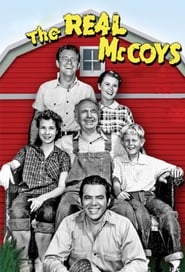
star 5.9The Real McCoys is an American situation comedy co-produced by Danny Thomas' "Marterto Productions", in association with Walter Brennan and Irving Pincus' "Westgate" company. The series aired for five seasons on the ABC-TV network from 1957 through 1962 and then for its final year on CBS from 1962 to 1963. The series, set in the San Fernando Valley of California, was filmed in Hollywood at Desilu studios.The Californians
1957
The Californians
1957
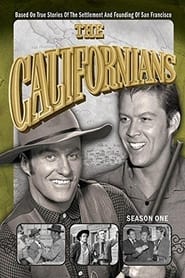
star 5.8San Franciscans during the goldrush of the 1850s attempt to maintain law and order in their wild city. Newly arrived Matthew Wayne becomes sheriff, then marshal, and organizes the city police force while expressing interest in the young widow Fanzler and sparring with attorney Pitt. Adam Kennedy appears as Dion Patrick, an Irish newspaperman who helps the local vigilante committee.Date with the Angels
1957
Date with the Angels
1957
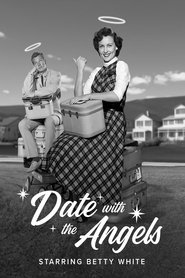
star 6.3Date with the Angels is an American sitcom that aired on ABC from May 10, 1957 to January 29, 1958. The series, which stars Betty White and Bill Williams, began as a late season replacement for The Ray Anthony Show for the same sponsor, Chrysler's Plymouth division. Tom Kennedy was the show's announcer and spokesman for Plymouth.The Adventures of Jim Bowie
1956
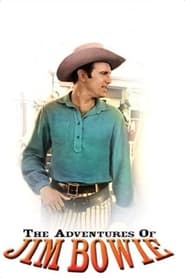
star 5.3The Adventures of Jim Bowie is an American Western television series that aired on ABC from 1956 to 1958. Its setting was the 1830s-era Louisiana Territory. The series was an adaptation of the book Tempered Blade, by Monte Barrett. The series stars Scott Forbes as the real-life adventurer Jim Bowie. The series initially portrayed Jim Bowie as something of an outdoors-man, riding his horse through the wilderness near his home in Opelousas, where he would stumble across someone needing his assistance. He was aided by the Bowie Knife, his ever-present weapon. He designed it in the first episode, The Birth of the Blade.The Open Mind
1956
The Open Mind
1956
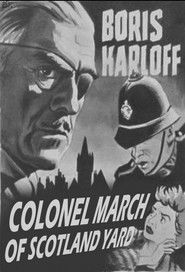
This public affairs talk show is a thoughtful excursion into the world of ideas across politics, media, technology, the arts, and all realms of civic life. First broadcast in 1956, it explores challenges of the digital age, American politics and emerging issues.Colonel March of Scotland Yard
1956
star 7.5Colonel March of The Department of Queer Complaints investigates unusual cases, locked-room murders, and mysteries concerning the supernatural.Fury
1955
Fury
1955
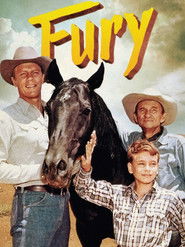
star 6.5Fury is an American western television series that aired on NBC from 1955 to1960. It stars Peter Graves as Jim Newton, who operates the Broken Wheel Ranch in California; Bobby Diamond as Jim's adopted son, Joey Clark Newton, and William Fawcett as ranch hand Pete Wilkey. Roger Mobley co-starred in the two final seasons as Homer "Packy" Lambert, a friend of Joey's. The frequent introduction to the show depicts the beloved stallion running inside the corral and approaching the camera as the announcer reads: "FURY!..The story of a horse..and a boy who loves him." Fury is the first American series produced originally by Television Programs of America and later by the British-based company ITC Entertainment.The Honeymooners
1955
The Honeymooners
1955
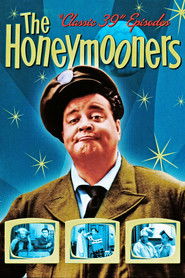
star 7.4A bus driver and his sewer worker friend struggle to strike it rich while their wives look on with weary patience. One of the most influential situation comedy television series in American history.The Adventures of Robin Hood
1955
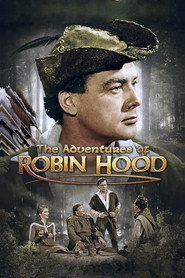
star 6.4The legendary character Robin Hood and his band of merry men in Sherwood Forest and the surrounding vicinity. While some episodes dramatised the traditional Robin Hood tales, most episodes were original dramas created by the show's writers and producers.The Adventures of Champion
1955
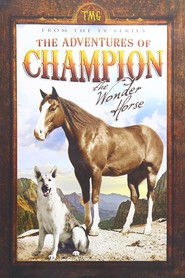
star 6.3The Adventures of Champion follow a wild stallion named Champion, who remarkably becomes friends with a young boy named Ricky North.The show followed the boy and the horse as they went on crazy adventures in the Southern West during the late 1800s.Gunsmoke
1955
Gunsmoke
1955
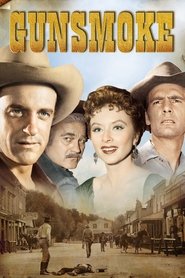
star 6.7Gunsmoke is an American radio and television Western drama series created by director Norman MacDonnell and writer John Meston. The stories take place in and around Dodge City, Kansas, during the settlement of the American West. The central character is lawman Marshal Matt Dillon, played by William Conrad on radio and James Arness on television.The Life and Legend of Wyatt Earp
1955
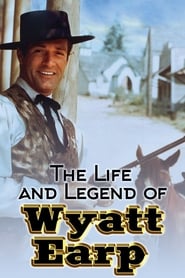
star 6.8The Life and Legend of Wyatt Earp is a television western series loosely based on the life of frontier marshal Wyatt Earp. The half-hour black-and-white program aired for 229 episodes on ABC from 1955 to 1961 and featured Hugh O'Brian in the title role.Judge Roy Bean
1955
Judge Roy Bean
1955
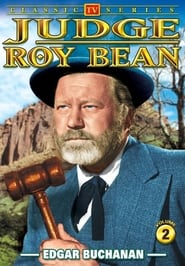
star 7Judge Roy Bean is a syndicated American Western series starring Edgar Buchanan as the legendary Kentucky-born Judge Roy Bean, a justice of the peace known as "The Law West of the Pecos".Sherlock Holmes
1954
Sherlock Holmes
1954
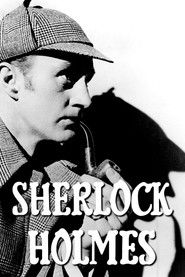
star 7.2The first American television series of Sherlock Holmes adventures aired in syndication in the fall of 1954. The 39 half-hour mostly original stories were produced by Sheldon Reynolds and filmed in France by Guild Films, starring Ronald Howard as Holmes and Howard Marion Crawford as Watson. Archie Duncan appeared in many episodes as Inspector Lestrade. Richard Larke, billed as Kenneth Richards, played Sgt. Wilkins in about fifteen episodes. The series' associate producer, Nicole Milinaire, was one of the first women to attain a senior production role in a television series.Father Knows Best
1954
Father Knows Best
1954
star 6.6Family man Jim Anderson copes with the everyday problems among his wife Margaret and their three children as they experience day-to-day changes.Mark Saber
1954
Mark Saber
1954
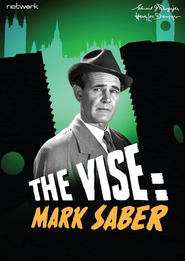
star 8A half-hour 1950s detective television series that took different forms and titles during its run. From October 1951 to June 1954, ABC Mystery Theater stars Tom Conway as the titular character, a plainclothes English detective working with the NYPD Homicide Division. The Vise (seasons 1–4): Donald Gray portrays Saber as a one-armed private detective based in London. Broadcast on ABC from October 1954 to June 1957. Saber of London (seasons 5–7): Gray reprises his role in this final iteration, broadcast on NBC from September 1957 to May 1960.Medic
1954
Medic
1954
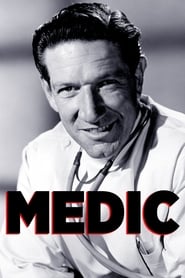
star 6.3Medic is an American medical drama that aired on NBC beginning in 1954. Medic was television's first doctor drama to focus attention on medical procedures. Created by its principal writer James E. Moser, Medic tried to create realism which would typify medical shows from then on. Moser had previously written for the radio shows Dragnet and Dr. Kildare. He went on to write the television series Ben Casey.Captain Midnight
1954
Captain Midnight
1954
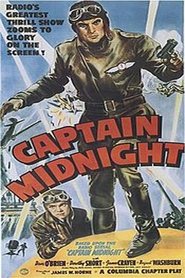
star 6.6Captain Midnight is an American televisions series that aired on CBS from September 9, 1954 to January 21, 1956. The series stars Richard Webb as Captain Midnight.Hey Mulligan
1954
Hey Mulligan
1954
star 6.8An NBC page aspires to an acting career, amid various challenges (including his size). Also known as `Hey Mulligan.'Rocky Jones, Space Ranger
1954
star 6Rocky Jones, Space Ranger was a syndicated science fiction television serial originally broadcast in 1954. The show lasted for only two seasons and, though syndicated sporadically, dropped into obscurity. Because it was recorded on film rather than being broadcast live as were most other TV space operas of the day, it has survived in reasonably good condition. The film format also allowed more elaborate special effects and sets, exterior scenes, and much better continuity.