New Family TV Series on Pantaflix - Page 328
All Services
Free Services
 Netflix
 Amazon Prime Video
 Apple iTunes
 Apple TV Plus
 Disney Plus
 Google Play Movies
 Paramount Plus
 Hulu
Hulu
 HBO Max
 YouTube
 fuboTV
 Peacock
 Peacock Premium
 Amazon Video
 The Roku Channel
 AMC+
AMC on Demand
AMC+
AMC on Demand
 Kocowa
 Hoopla
 The CW
 Vudu
Vudu
 Starz
Starz
 Showtime
 PBS
PBS
 Pantaflix
 FXNow
FXNow
 Tubi TV
 Kanopy
 Comedy Central
 Crunchyroll
 Microsoft Store
 Redbox
 Sun Nxt
 ABC
ABC
 DIRECTV
 Crackle
 Fandor
 Plex
Plex
Netflix
Amazon Prime Video
Apple iTunes
Apple TV Plus
Disney Plus
Google Play Movies
Paramount Plus
Hulu
HBO Max
YouTube
fuboTV
Peacock
Peacock Premium
Amazon Video
The Roku Channel
AMC+
AMC on Demand
Kocowa
Hoopla
The CW
Vudu
Starz
Showtime
PBS
Pantaflix
FXNow
Tubi TV
Kanopy
Comedy Central
Crunchyroll
Microsoft Store
Redbox
Sun Nxt
ABC
DIRECTV
Crackle
Fandor
Plex

Alles über Anna
2006
Alles über Anna
2006
Bird Language
2006
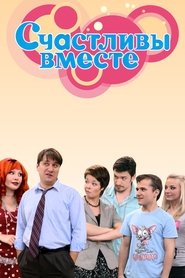
Happy Together
2006
Happy Together
2006
star 5.5The ordinary life of an ordinary family from the province: a couple, 2 children, a dog and neighbors. Dasha is a housewife who loves to watch TV shows and go shopping. Her husband, Gena, is a shoe store manager, likes to hang around in the garage and watch football with friends. Their daughter Sveta is a student of high school, changes the guys every week. And their son Roma is playing computer thew whole day and intrigues sister. Bukins quarrel at least once a day - so they have fun. They have been together for 16 years and still love each other. This is the happiest family in the world.Anadolu Kaplanı
2006
Alles Nick!
2006
Alles Nick!
2006
Extra extra!
2006
Extra extra!
2006
Gönül
2006
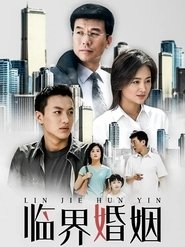
临界婚姻
2006
临界婚姻
2006
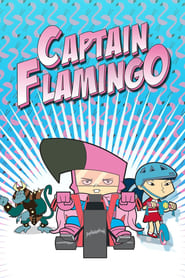
Captain Flamingo
2006
Captain Flamingo
2006
star 5Captain Flamingo is a Canadian animated television series, which chronicles the adventures of the protagonist and main character Milo Powell. The titular character is of an unspecified young age. He has no real super-powers of note, just a desire to help "li'l kids" in trouble. His "super powers" take the form of novelty items, such as a whoopee cushion, among other things.Místo v životě
2006
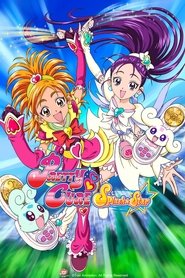
PreCure Splash Star
2006
PreCure Splash Star
2006
star 8.1During the summer festival five years ago, two girls met at a mysterious tree and saw two glowing spheres. Now, these two girls--Saki Hyuga, ace pitcher on the school softball team; and Mai Mishou, who prefers sketching over stargazing--are chosen by the spirits of flowers (Flappy) and birds (Choppy) to restore the Seven Fountains and save their worlds from Dark Autumn. Together, they are the NEW Pretty Cure.Uncle Max
2006
Uncle Max
2006
star 7.5Uncle Max is a British children's comedy television series originally airing on CITV, and now CBBC. It features David Schneider as the title character, Uncle Max, and William Howe as Luke, Max's nine year-old nephew, although in the second series Jonathon Hanly took over from William. The show is very similar in style to Mr. Bean, with the basic premise being that Uncle Max is incapable of embarking on any adventure without upsetting another individual or group of individuals in some shape or form. The first series was filmed in Johannesburg in South Africa and produced by Andy Rowley over a seven-week block in the summer of 2005, the show was written by David Schneider and 13 episodes were made for CITV and screened on the CITV channel in 2006. The second series was filmed in Galway, in Ireland.Sentou no Musume!?
2006
Sentou no Musume!?
2006
After Mizusawa Yume's mother becomes ill and passes away, she finds a picture of a man holding a baby in her mother's keepsake box. On the back of the picture it says "Loving Papa and Yume, at Raku no Yu." Yume has never known or even seen a picture of her father, but she believes that this guy must be him. Also in the box there is a lighter with the initials RM. After she finds that the "Raku no Yu", is a 'sento' (public bath) in Shibuya, Tokyo, she's off to meet her long lost father and to get as much money out of him as possible. The debts her mother left her after her death left nothing for Yume. Yume blames her father for her mother's death because if it wasn't for him she wouldn't have had to work so hard and wouldn't have gotten ill and died young. Once she arrives in Tokyo and finds 'Raku no Yu' she finds a name plaque with the inscription Mannaka Rokku, so she is sure this is the place.Maddigan's Quest
2006
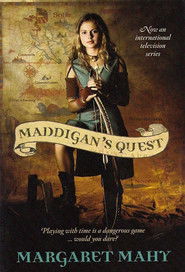
Maddigan's Quest
2006
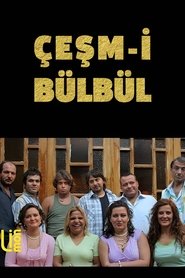
star 7Maddigan's Quest was a fantasy-based television series set in a post-apocalyptic future. It was based on an original concept by Margaret Mahy and was developed for television by Gavin Strawhan and Rachel Lang. The show originally screened on CBBC in the UK, and was also aired on TV3 in New Zealand, Family Room HD from Voom Networks HD and Nine Network in early 2006.Çeşm-i Bülbül
2006
Çeşm-i Bülbül
2006
Кто в доме хозяин?
2006
Little Amadeus – Die Abenteuer des jungen Mozart
2006
star 5Little Amadeus is an animated television series which is intended to promote the interest in music and musical instrument playing in young viewers. The series consists of 26 episodes, each of which tell a fictional story of a young Wolfgang Amadeus MozartSkal vi danse?
2006
Skal vi danse?
2006
star 6Skal vi danse? is the Norwegian edition of the British television series, Strictly Come Dancing and the American television series, Dancing with the Stars. It is produced by Monster Entertainment and broadcast on TV 2 Jon Peder Olrud and Geir Bie were producers in the first season. The second and third seasons were produced by Ingvild Daae. The series premiered on TV 2 on January 15, 2006. Skal vi danse? in Norwegian means shall we dance?. Dancing celebrities with professional dancers and companies are reviewed by a panel of judges and the TV viewers. Each pair consists of a celebrity and a professional dancer and the one with the fewest votes does not participate in the next round. The series has had high ratings in Norway, with an average of between 600,000 and 700,000 viewers. The record with 733,000 viewers on average in the season premiere was reached for the first program of series 4. Only the final episodes of each series have had higher numbers.