New Animation TV Series on Plex - Page 8
All Services
Free Services
 Netflix
 Amazon Prime Video
 Apple iTunes
 Apple TV Plus
 Disney Plus
 Google Play Movies
 Paramount Plus
 Hulu
Hulu
 HBO Max
 YouTube
 fuboTV
 Peacock
 Peacock Premium
 Amazon Video
 The Roku Channel
 AMC+
AMC on Demand
AMC+
AMC on Demand
 Kocowa
 Hoopla
 The CW
 Vudu
Vudu
 Starz
Starz
 Showtime
 PBS
PBS
 Pantaflix
 FXNow
FXNow
 Tubi TV
 Kanopy
 Comedy Central
 Crunchyroll
 Microsoft Store
 Redbox
 Sun Nxt
 ABC
ABC
 DIRECTV
 Crackle
 Fandor
 Plex
Plex
Netflix
Amazon Prime Video
Apple iTunes
Apple TV Plus
Disney Plus
Google Play Movies
Paramount Plus
Hulu
HBO Max
YouTube
fuboTV
Peacock
Peacock Premium
Amazon Video
The Roku Channel
AMC+
AMC on Demand
Kocowa
Hoopla
The CW
Vudu
Starz
Showtime
PBS
Pantaflix
FXNow
Tubi TV
Kanopy
Comedy Central
Crunchyroll
Microsoft Store
Redbox
Sun Nxt
ABC
DIRECTV
Crackle
Fandor
Plex

Flash Gordon
1979
Flash Gordon
1979
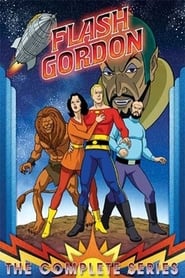
star 7.1The New Adventures of Flash Gordon, also known as The Adventures of Flash Gordon, is an animated television series. The series is actually called Flash Gordon but the expanded title is used in official records to distinguish it from previous versions. Filmation produced the series in 1979, partly as a reaction to the mammoth success of Star Wars Episode IV: A New Hope in 1977. The series was a homage to the original Flash Gordon comic strip and featured most of the original characters, including Flash's girlfriend Dale Arden, and the scientist Hans Zarkov. The series is still regarded as one of the most faithful adaptations, and one of Filmation's finest overall efforts. The basic story follows Flash and his companions as they travel to Mongo, where they are forced into battle by its ruler, Ming the Merciless, his daughter Princess Aura, and his army of Metal Men. To help their cause the heroes lead the formation of an alliance beginning with King Thun, leader of the Lion People; Prince Barin, ruler of Arboria; anSasuke
1968
Sasuke
1968
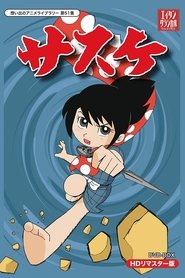
star 7.7Sasuke is the son of a very skilled ninja, whose name is Ozaru. After the defeat of their lord, Yukimura Sanada, Tokugawa's and Hattori's ninjas begin to persecute all their enemies still alive: that means Ozaru and Sasuke must leave their house and start a violent struggle for their own life. Danger, vengeance, anger, loyalty, pain are the basic elements of this story, where the worst aspects of the human soul are described together with the growth of the main character, the young Sasuke.Captain Scarlet and the Mysterons
1967
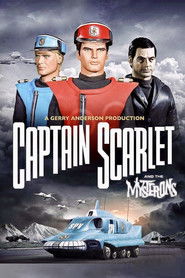
star 7.5Captain Scarlet heads up an international intelligence agency as they battle against the Mysterons, an alien species from Mars that vows vengeance after a misunderstanding with humans.Speed Racer
1967
Speed Racer
1967
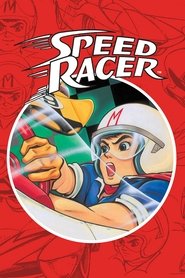
star 7.5Speed Racer is a teenage driver who races around the world in his super-technological car, the Mach 5, created by his father, a former racer. The car has several special features that help Speed tackle difficult terrain and get rid of dishonest opponents—which happens frequently. He experiences these adventures alongside his girlfriend Trixie, his younger brother Spridle, and his pet monkey, Chim-Chim. Together, they face thrilling challenges and show that courage and fair play make all the difference.Thunderbirds
1965
Thunderbirds
1965
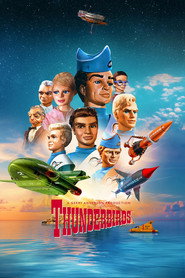
star 7.6Thunderbirds is a 1960s British science-fiction television series which was produced using a mixed method of marionette puppetry and scale-model special effects termed "Supermarionation". The series is set in the 21st century and follows the exploits of International Rescue, a secret organization formed to save people in mortal danger with the help of technologically advanced land, sea, air and space vehicles and equipment, launched from a hidden base on Tracy Island in the South Pacific Ocean.Gigantor
1963
Gigantor
1963
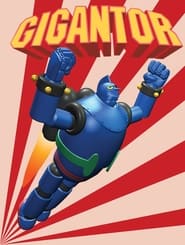
star 7.3Gigantor is an American adaptation of the anime version of Tetsujin 28-go, a manga by Mitsuteru Yokoyama released in 1956. Jimmy Sparks controls a gigantic, powerful robot and uses it to fight crime. It debuted on U.S. television in 1964. As with Speed Racer, the characters' original names were altered and the original series' violence was toned down for American viewers.Beetle Bailey
1962
Beetle Bailey
1962
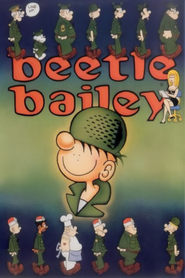
star 5.9Beetle Bailey, the Private who'd rather drop and nap than drop and "do 20," is the wise-cracking joker of the most famous Army camp –Camp Swampy, where befuddled General Halftrack still hasn't heard from the Pentagon, grumbling Sgt. Snorkle has never had a date, Beetle hasn't washed his socks, and Cooke still makes those high-bouncing meatballs. Join Beetle Bailey and his army buddies and sound off with laughter.Popeye the Sailor
1960
Popeye the Sailor
1960
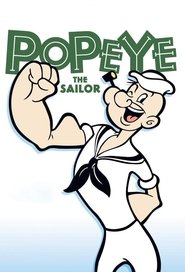
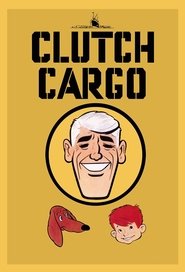
star 7.1Follows the adventures of the famed spinach-eating sailor man. Popeye is one of the most popular cartoon characters of all time. This spunky but loveable spinach-eating sailor continues to delight young and old with his comic adventures, and the entire gang is around to provide plenty of rousing fun and action: Olive Oyl, Swee'Pea, Wimpy and Bluto.Clutch Cargo
1959
Clutch Cargo
1959
star 4.5Clutch Cargo is an animated television series produced by Cambria Productions and syndicated beginning on March 9, 1959. Notable for its very limited animation, yet imaginative stories, the series was a surprise hit at the time, and could be seen on 65 stations nationwide in 1960. This animated series was broadcast in Italy in syndication in the early 1980s with two different titles: Tre contro tutti and Clutch Cargo.