New Drama TV Series on Plex - Page 26
All Services
Free Services
 Netflix
 Amazon Prime Video
 Apple iTunes
 Apple TV Plus
 Disney Plus
 Google Play Movies
 Paramount Plus
 Hulu
Hulu
 HBO Max
 YouTube
 fuboTV
 Peacock
 Peacock Premium
 Amazon Video
 The Roku Channel
 AMC+
AMC on Demand
AMC+
AMC on Demand
 Kocowa
 Hoopla
 The CW
 Vudu
Vudu
 Starz
Starz
 Showtime
 PBS
PBS
 Pantaflix
 FXNow
FXNow
 Tubi TV
 Kanopy
 Comedy Central
 Crunchyroll
 Microsoft Store
 Redbox
 Sun Nxt
 ABC
ABC
 DIRECTV
 Crackle
 Fandor
 Plex
Plex
Netflix
Amazon Prime Video
Apple iTunes
Apple TV Plus
Disney Plus
Google Play Movies
Paramount Plus
Hulu
HBO Max
YouTube
fuboTV
Peacock
Peacock Premium
Amazon Video
The Roku Channel
AMC+
AMC on Demand
Kocowa
Hoopla
The CW
Vudu
Starz
Showtime
PBS
Pantaflix
FXNow
Tubi TV
Kanopy
Comedy Central
Crunchyroll
Microsoft Store
Redbox
Sun Nxt
ABC
DIRECTV
Crackle
Fandor
Plex

Wiseguy
1987
Wiseguy
1987
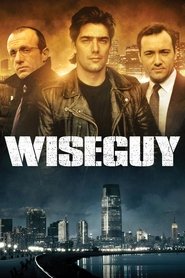
star 6.6Vinnie Terranova does time in a New Jersey penitentiary to set up his undercover role as an agent for the OCB (Organized Crime Bureau) of the United States. His roots in a traditional Italian city neighborhood form the underlying dramatic base throughout the series, bringing him into conflict with his conservative mother and other family members while acting undercover as syndicate enforcer.21 Jump Street
1987
21 Jump Street
1987
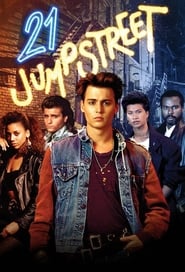
star 7.321 Jump Street revolves around a group of young cops who would use their youthful appearance to go undercover and solve crimes involving teenagers and young adults.Max Headroom
1987
Max Headroom
1987
star 6.9Television networks battle one another in an unrelenting ratings war. Whoever controls the airwaves controls the dystopic world in which they broadcast. So when Network 23's star reporter, Edison Carter, uncovers a deadly secret that could shake up the station's dominion over its viewers, the only option is to eliminate Carter before he can make his story public. After Carter's "accident," his mind is uploaded to create the world's first self-aware, computer-generated TV host — Max Headroom! But will Max bow to his creators? Or will he be the key to his human alter ago bringing down a network superpower?The Bold and the Beautiful
1987
star 5.6Continuing drama combining romance and intrigue set against the glittering backdrop of Beverly Hills and the American fashion industry.Degrassi Junior High
1987
Degrassi Junior High
1987
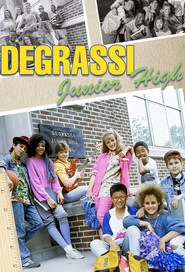
star 7.6Degrassi Junior High is a Canadian CBC Television teen drama series that was produced from 1987-1989 as part of the Degrassi series. The show followed the lives of a group of students attending the titular fictional school. Many episodes tackled difficult topics such as drug use, child abuse, teenage pregnancy, homosexuality, homophobia, racism, and divorce, and the series was acclaimed for its sensitive and realistic portrayal of the challenges of teenage life. The cast comprised mainly non-professional actors, which added to the show's sense of realism. The series featured many of the same actors who had starred on The Kids of Degrassi Street a few years earlier, including Stacie Mistysyn, Neil Hope, Anais Granofsky, Sarah Charlesworth and others. However, their character names and family situations had been changed, so Degrassi Junior High cannot, therefore, be considered a direct spinoff. The legal counsel for all the episodes was Stephen Stohn who later became the executive producer of Degrassi: The Next GenAnastasia - The Mystery of Anna
1986
star 6.7Anastasia: The Mystery of Anna is a 1986 TV movie, starring Amy Irving, Rex Harrison, Olivia de Havilland, Omar Sharif, and Jan Niklas. The film was loosely based on the story of Grand Duchess Anastasia Nikolaevna of Russia and the book The Riddle of Anna Anderson by Peter Kurth. It was Christian Bale's first film and Rex Harrison's last film. It was originally broadcast in two parts.London's Burning
1986
London's Burning
1986
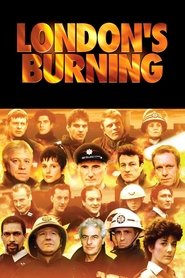
star 7.7London's Burning is a British television drama programme produced by London Weekend Television for the ITV network that focused on the lives of members of the London Fire Brigade, principally those of the Blue Watch at a fictional fire station called Blackwall.Crime Story
1986
Crime Story
1986
star 8The hard-boiled saga of hair-trigger cop Lieutenant Mike Torello and his obsessive pursuit of ruthless gangster Ray Luca.A Fortunate Life
1986
A Fortunate Life
1986
star 5At eight years old, an impoverished Bert Facey was forced to start the backbreaking, dawn-to-dusk life of a farm labourer. Unschooled, his father dead, abandoned by his mother, by the age of twenty he had survived the rigours of pioneering the harsh Australian bush and the slaughter of the bloody WWI campaign at Gallipoli.Boon
1986
Boon
1986
star 5.8Boon is a British television drama and modern-day western series starring Michael Elphick, David Daker, and later Neil Morrissey. It was created by Jim Hill and Bill Stair and filmed by Central Television for ITV. It revolved around the life of a modern-day Lone Ranger and ex-firefighter, Ken Boon.Mussolini: The Untold Story
1985
star 5.3The rise and fall of Italy's fascist dictator Benito Mussolini. Recounting his life with his wife, children and mistress, this biography (based on the recollections of Mussolini's eldest son, Vittorio) chronicles Il Duce's tyranny as he plunges Italy into the dark days of World War II.Stingray
1985
Stingray
1985
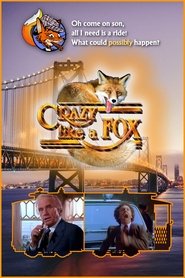
star 7.2Ray is an enigmatic adventurer with no traceable past who travels from place to place fighting crime and helping people in trouble. He refuses to be paid for his services; however, those seeking his assistance must promise him a favor.Crazy like a Fox
1984
Crazy like a Fox
1984
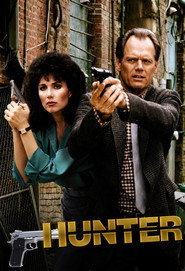
star 7.2Crazy Like a Fox is an American television series set in San Francisco, California, that aired on CBS from December 30, 1984 to May 3, 1986.Hunter
1984
Hunter
1984
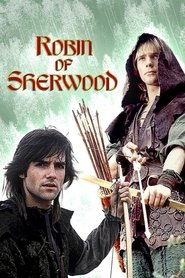
star 7.1Hunter is an American police drama television series created by Frank Lupo, and starring Fred Dryer as Sgt. Rick Hunter and Stepfanie Kramer as Sgt. Dee Dee McCall, which ran on NBC from 1984 to 1991. However, Kramer left after the sixth season to pursue other acting and musical opportunities. In the seventh season, Hunter partnered with two different women officers. The titular character, Sgt. Rick Hunter, was a wily, physically imposing, and often rule-breaking homicide detective with the Los Angeles Police Department. The show's main characters, Hunter and McCall, resolve many of their cases by shooting dead the perpetrators. The show's executive producer during the first season was Stephen J. Cannell, whose company produced the series.Robin of Sherwood
1984
Robin of Sherwood
1984
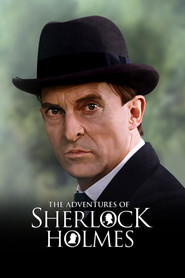
star 7.6Herne the Hunter picks Robin of Loxley as his successor in his mission to support the oppressed. Robin builds his army and leads a guerrilla attack to suppress the exploited's Norman tormentors.Sherlock Holmes
1984
Sherlock Holmes
1984
star 8.2Sherlock Holmes uses his abilities to take on cases by private clients and those that the Scotland Yard are unable to solve, along with his friend Dr. Watson.宮本武蔵
1984
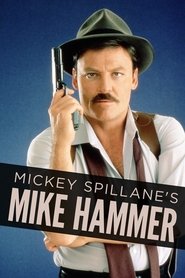
Mike Hammer
1984
Mike Hammer
1984
star 6.7Private detective Mike Hammer hunts down criminals on the mean streets of New York City.Diana
1984
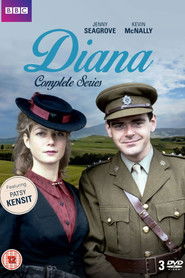
Diana
1984
star 6.5The very different lives of Jan Leigh, a poor but studious young country lad, and Diana Gayelorde-Sutton, the equally single minded daughter of a rich landowner, from the 1920s through to post-war Britain.V
1983
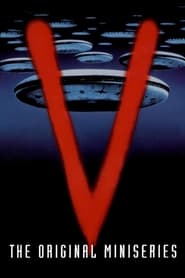
V
1983
star 7.8Fifty spaceships, each three miles across, hover ominously above Earth's major cities. The Visitors that emerge are humanlike in appearance and extend the hand of friendship. Our planet's resources are just what these aliens need to survive. And for its future survival, unsuspecting humankind will need... a miracle!