New War Politics TV Series on Plex - Page 3
All Services
Free Services
 Netflix
 Amazon Prime Video
 Apple iTunes
 Apple TV Plus
 Disney Plus
 Google Play Movies
 Paramount Plus
 Hulu
Hulu
 HBO Max
 YouTube
 fuboTV
 Peacock
 Peacock Premium
 Amazon Video
 The Roku Channel
 AMC+
AMC on Demand
AMC+
AMC on Demand
 Kocowa
 Hoopla
 The CW
 Vudu
Vudu
 Starz
Starz
 Showtime
 PBS
PBS
 Pantaflix
 FXNow
FXNow
 Tubi TV
 Kanopy
 Comedy Central
 Crunchyroll
 Microsoft Store
 Redbox
 Sun Nxt
 ABC
ABC
 DIRECTV
 Crackle
 Fandor
 Plex
Plex
Netflix
Amazon Prime Video
Apple iTunes
Apple TV Plus
Disney Plus
Google Play Movies
Paramount Plus
Hulu
HBO Max
YouTube
fuboTV
Peacock
Peacock Premium
Amazon Video
The Roku Channel
AMC+
AMC on Demand
Kocowa
Hoopla
The CW
Vudu
Starz
Showtime
PBS
Pantaflix
FXNow
Tubi TV
Kanopy
Comedy Central
Crunchyroll
Microsoft Store
Redbox
Sun Nxt
ABC
DIRECTV
Crackle
Fandor
Plex

A French Village
2009
A French Village
2009
star 7.5The stories of the people of Villeneuve, a fictional subprefecture, in the Jura, in German–occupied France during the Second World War.The Great War
2007
The Great War
2007
The Great War is a CBC television film documenting Canadian participation in the First World War. The film stars Justin Trudeau and was shown on Canadian television during the 90th Anniversary of the Vimy Ridge battle, airing in two parts on April 8 and April 9, 2007. The Fox website included the following notice seeking people to participate in the making of the film: Did your great-grandfather take Vimy Ridge? Did he play a part in the three-month battle at Passchendaele? Did he break through the German line at Amiens? For a landmark film to mark the 90th anniversary of the First World War, the CBC is recruiting 300 descendants of those who went to war between 1914 and 1918. The descendants will walk in the footsteps of their ancestors and take part in massive battle recreations.The Concise History of WWII
2007
This superb program provides a clear and factual account of the causes, course and consequences of World War II, while also assessing the contribution of particular key leaders, such as Hitler, Churchill, Roosevelt, Mussolini and Stalin.Als der Krieg nach Deutschland kam
2006
When American troops started their final invasion of Nazi Germany in February 1945, cameramen were at their side and complied over a thousand reels covering 12 weeks in Germany until the ultimate collapse of the Third Reich including stories on the road from the Bulge over the Remagen Bridge to the Eagle’s Nest. Michael Kloft has selected the most striking scenes for his two-part documentary.Rescue Warriors
2005
Rescue Warriors
2005
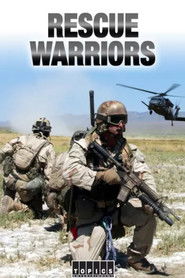
star 10Go inside the intense training to become a USAF Pararescue Jumper. Meet the trainees and be there as they endure one of the longest and toughest special operations training courses in the world! Find out who will make it through so "That Others May Live."Island at War
2004
Island at War
2004
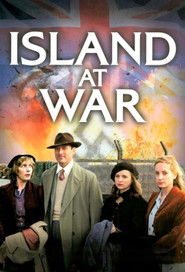
star 7.9Island at War is a British television series that tells the story of the German Occupation of the Channel Islands. It primarily focuses on three local families: the upper class Dorrs, the middle class Mahys and the working class Jonases, and four German officers. The fictional island of St. Gregory serves as a stand-in for the real-life islands Jersey and Guernsey, and the story is compiled from the events on both islands. Produced by Granada Television in Manchester, Island at War had an estimated budget of £9,000,000 and was filmed on location in the Isle of Man from August 2003 to October 2003. When the series was shown in the UK, it appeared in six 70-minute episodes.Changi
2001
Changi
2001
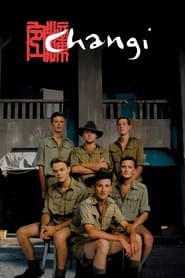
star 7.7Six young Australians go to war, full of confidence and bravado. They land in Singapore in 1942, just in time for surrender. With 15,000 others, they are marched off to Changi prison camp. Together, the six boys survive three and a half years of incarceration. Almost sixty years later, the six prepare to get together for what may be their last hurrah.Jackie, Ethel, Joan: Women of Camelot
2001
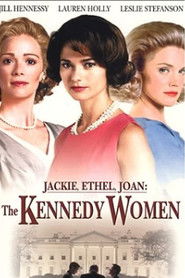
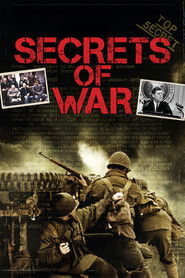
star 4.8The stories of three women who married into America's royal family, and lived in the glory and the glare of the political spotlight.Sworn to Secrecy: Secrets of War
1998
star 6Secrets are divulged and stories of espionage, conspiracy, murder, sabotage and greed are uncovered.Warbirds of World War II
1996
From the Battle of Britain to the Dresden bombings, some of the most intense combat of World War II occurred in the airspaces over Europe. This multi-volume box set offers a comprehensive account of the aircraft that helped bring the Allies to victory, including the B-17 Flying Fortress, the B-24 Liberator, the P-51 Mustang, and many more.Sharpe
1993
Sharpe
1993
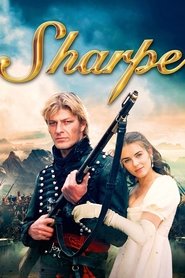
star 8Sharpe is a British series of television dramas starring Sean Bean as Richard Sharpe, a fictional British soldier in the Napoleonic Wars. Sharpe is the hero of a number of novels by Bernard Cornwell; most, though not all, of the episodes are based on the books. Produced by Celtic Films and Picture Palace Films for the ITV network, the series was shot mainly in Turkey and the Crimea, although some filming was also done in England, Spain and Portugal. The series originally ran from 1993 to 1997. In 2004, as part of ITV's new set of drama, ITV announced that it intended to produce new episodes of Sharpe, in co-production with BBC America, loosely based on his time in India, with Sean Bean continuing his role as Sharpe. Sharpe's Challenge is a two-part adventure; part one premiered on ITV on 23 April 2006, with part two being shown the following night. With more gore than earlier episodes, the show was broadcast by BBC America in September 2006.Mussolini: The Untold Story
1985
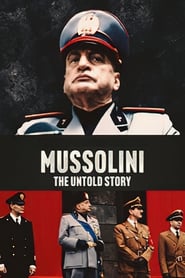
star 5.3The rise and fall of Italy's fascist dictator Benito Mussolini. Recounting his life with his wife, children and mistress, this biography (based on the recollections of Mussolini's eldest son, Vittorio) chronicles Il Duce's tyranny as he plunges Italy into the dark days of World War II.We'll Meet Again
1982
We'll Meet Again
1982
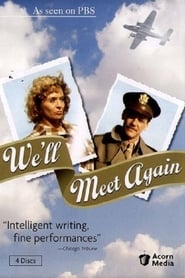
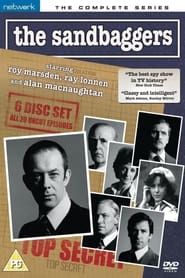
star 7It's 1943 and the American Air Force has come to Market Weatherby, a small East Anglian town. The war-weary British and the brash American GIs sometimes clash, but friendships are also forged.The Sandbaggers
1978
The Sandbaggers
1978
star 8.3The Sandbaggers is a British television drama series about men and women on the front lines of the Cold War. Set contemporaneously with its original broadcast on ITV in 1978 and 1980, The Sandbaggers examines the effect of the espionage game on the personal and professional lives of British and American intelligence specialists.Victory at Sea
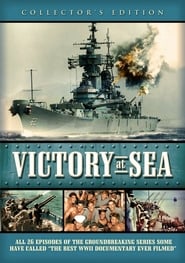
1952
Victory at Sea
1952
star 6.8Victory at Sea is a documentary television series about naval warfare during World War II that was originally broadcast by NBC in the USA in 1952–1953. It was condensed into a film in 1954. Excerpts from the music soundtrack, by Richard Rodgers and Robert Russell Bennett, were re-recorded and sold as record albums. The original TV broadcasts comprised 26 half-hour segments—Sunday afternoons at 3pm in most markets—starting October 26, 1952 and ending May 3, 1953. The series, which won an Emmy award in 1954 as "best public affairs program", played an important part in establishing historic "compilation" documentaries as a viable television genre. Over 13,000 hours of footage gathered from US, British, German and Japanese navies during World War II were perused in the making of these compelling episodes.