New Family TV Series on The Roku Channel - Page 15
All Services
Free Services
 Netflix
 Amazon Prime Video
 Apple iTunes
 Apple TV Plus
 Disney Plus
 Google Play Movies
 Paramount Plus
 Hulu
Hulu
 HBO Max
 YouTube
 fuboTV
 Peacock
 Peacock Premium
 Amazon Video
 The Roku Channel
 AMC+
AMC on Demand
AMC+
AMC on Demand
 Kocowa
 Hoopla
 The CW
 Vudu
Vudu
 Starz
Starz
 Showtime
 PBS
PBS
 Pantaflix
 FXNow
FXNow
 Tubi TV
 Kanopy
 Comedy Central
 Crunchyroll
 Microsoft Store
 Redbox
 Sun Nxt
 ABC
ABC
 DIRECTV
 Crackle
 Fandor
 Plex
Plex
Netflix
Amazon Prime Video
Apple iTunes
Apple TV Plus
Disney Plus
Google Play Movies
Paramount Plus
Hulu
HBO Max
YouTube
fuboTV
Peacock
Peacock Premium
Amazon Video
The Roku Channel
AMC+
AMC on Demand
Kocowa
Hoopla
The CW
Vudu
Starz
Showtime
PBS
Pantaflix
FXNow
Tubi TV
Kanopy
Comedy Central
Crunchyroll
Microsoft Store
Redbox
Sun Nxt
ABC
DIRECTV
Crackle
Fandor
Plex

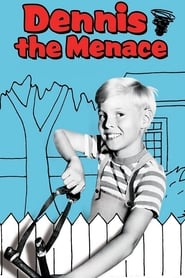
Dennis the Menace
1959
Dennis the Menace
1959
star 6.6This 1959-1963 television situation comedy series follows the lives of the Mitchell family, Henry, Alice, and their only child Dennis, an energetic, trouble-prone, mischievous, but well-meaning boy, who often tangles with his peace-and-quiet-loving neighbor George Wilson, a retired salesman, or, later, with George's brother John, a writer. Dennis is basically a good, well-intentioned boy who always tries to help people, but who winds up making situations worse – often at Mr. Wilson's expense.Bonanza
1959
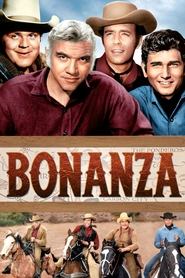
Bonanza
1959
star 7.5The High-Sierra adventures of Ben Cartwright and his sons as they run and defend their ranch while helping the surrounding community.The Rifleman
1958
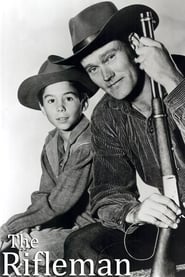
The Rifleman
1958
star 7.1The Rifleman is an American Western television program starring Chuck Connors as rancher Lucas McCain and Johnny Crawford as his son, Mark McCain. It was set in the 1880s in the town of North Fork, New Mexico Territory. The show was filmed in black-and-white, half-hour episodes. "The Rifleman" aired on ABC from September 30, 1958 to April 8, 1963 as a production of Four Star Television. It was one of the first prime time series to have a widowed parent raise a child.The Donna Reed Show
1958
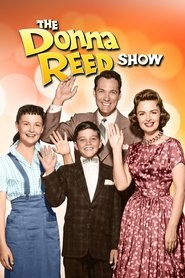
The Donna Reed Show
1958
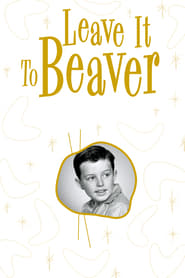
star 6.5Revolves around typical family problems, such as firing a clumsy housekeeper, throwing a retirement bash for a colleague, and finding quality time away from the children.Leave It to Beaver
1957
Leave It to Beaver
1957
star 6.9An inquisitive and often naïve boy, Theodore 'The Beaver' Cleaver, has adventures at home, in school, and around his suburban neighborhood. The show also starred Barbara Billingsley and Hugh Beaumont as Beaver's parents, June and Ward Cleaver, and Tony Dow as Beaver's brother Wally. The show has attained an iconic status in the US, with the Cleavers exemplifying the idealized suburban family of the mid-20th century.The Buccaneers
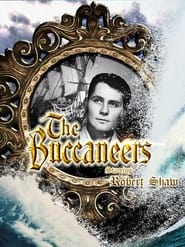
1956
The Buccaneers
1956
star 6.4The adventures of privateer Captain Dan Tempest and his crew of former pirates as they make their way across the seven seas in The Sultana.The Gumby Show
1956
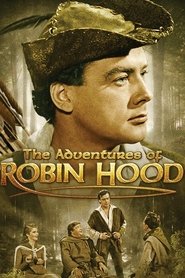
The Adventures of Robin Hood
1955
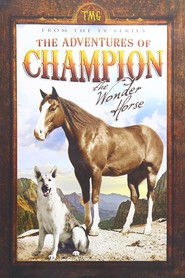
star 6.4The legendary character Robin Hood and his band of merry men in Sherwood Forest and the surrounding vicinity. While some episodes dramatised the traditional Robin Hood tales, most episodes were original dramas created by the show's writers and producers.The Adventures of Champion
1955
star 6.3The Adventures of Champion follow a wild stallion named Champion, who remarkably becomes friends with a young boy named Ricky North.The show followed the boy and the horse as they went on crazy adventures in the Southern West during the late 1800s.The Adventures of Rin Tin Tin
1954
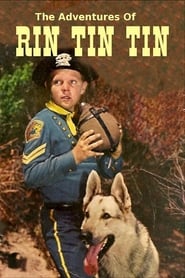
star 7The Adventures of Rin Tin Tin is an American children's television program. Beginning in October 1954 until May 1959, 166 episodes originally aired on ABC television network. It starred child actor Lee Aaker as Rusty, a boy orphaned in an Indian raid, who was being raised by the soldiers at a US Cavalry post known as Fort Apache. He and his German shepherd dog, Rin Tin Tin, helped the soldiers to establish order in the American West. Texas-born actor James Brown appeared as Lieutenant Ripley "Rip" Masters. Co-stars included veteran actor Joe Sawyer and actor Rand Brooks from Gone with the Wind fame.Father Knows Best
1954
Father Knows Best
1954
star 6.7Family man Jim Anderson copes with the everyday problems among his wife Margaret and their three children as they experience day-to-day changes.Lassie
1954
Lassie
1954
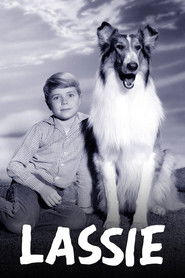
star 6.3Lassie is the pet of Jeff Miller, an 11-year-old farm boy. The two become best friends and enjoy family adventures in the American countryside, teaching each other about love, nature and commitment.The Adventures of Ozzie and Harriet
1952
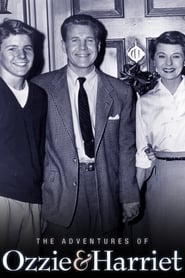
star 6.2The Adventures of Ozzie and Harriet is an American sitcom, airing on ABC from October 3, 1952 through March 26, 1966, starring the real life Nelson family. After a long run on radio, the show was brought to television where it continued its success, running on both radio and television for a few years. The series stars Ozzie Nelson and his wife, singer Harriet Nelson, and their young sons, David and Eric "Ricky" Nelson. Don DeFore had a recurring role as the Nelsons' friendly neighbor "Thorny".The Red Skelton Show
1951
The Red Skelton Show
1951
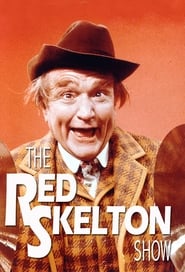
star 7.4The Red Skelton Show is an American variety show that was a television staple for two decades, from 1951 to 1971. It was second to Gunsmoke and third to The Ed Sullivan Show in the ratings during that time. Skelton, who had previously been a radio star, had appeared in several motion pictures as well. Although his television series is largely associated with CBS, where it appeared for more than fifteen years, it actually began and ended on NBC. During its run, the program received three Emmy Awards, for Skelton as best comedian and the program as best comedy show during its initial season, and an award for comedy writing in 1961.The Goldbergs
1949
The Goldbergs
1949
star 7.5The Goldbergs is a comedy-drama broadcast from 1929 to 1946 on American radio, and from 1949 to 1956 on American television. It was adapted into a 1948 play, Me and Molly, a 1950 film The Goldbergs, and a 1973 Broadway musical, Molly.