New Family TV Series on Tub Tv - Page 438
All Services
Free Services
 Netflix
 Amazon Prime Video
 Apple iTunes
 Apple TV Plus
 Disney Plus
 Google Play Movies
 Paramount Plus
 Hulu
Hulu
 HBO Max
 YouTube
 fuboTV
 Peacock
 Peacock Premium
 Amazon Video
 The Roku Channel
 AMC+
AMC on Demand
AMC+
AMC on Demand
 Kocowa
 Hoopla
 The CW
 Vudu
Vudu
 Starz
Starz
 Showtime
 PBS
PBS
 Pantaflix
 FXNow
FXNow
 Tubi TV
 Kanopy
 Comedy Central
 Crunchyroll
 Microsoft Store
 Redbox
 Sun Nxt
 ABC
ABC
 DIRECTV
 Crackle
 Fandor
 Plex
Plex
Netflix
Amazon Prime Video
Apple iTunes
Apple TV Plus
Disney Plus
Google Play Movies
Paramount Plus
Hulu
HBO Max
YouTube
fuboTV
Peacock
Peacock Premium
Amazon Video
The Roku Channel
AMC+
AMC on Demand
Kocowa
Hoopla
The CW
Vudu
Starz
Showtime
PBS
Pantaflix
FXNow
Tubi TV
Kanopy
Comedy Central
Crunchyroll
Microsoft Store
Redbox
Sun Nxt
ABC
DIRECTV
Crackle
Fandor
Plex

It's Not Easy
1983
It's Not Easy
1983
star 7.7Jack and Sharon are a divorced couple who live across the street from each other. Together, they raise their 11-year-old daughter Carol and 8-year-old son Johnny with the help of Jack's mother Ruth and Sharon's new husband Neal , who has a 14-year-old son of his own, Matthew.Gestern bei Müllers
1983
Gestern bei Müllers
1983
Wheel of Fortune
1983
Wheel of Fortune
1983
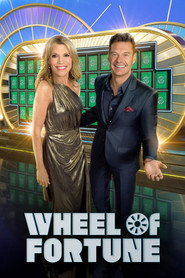
star 6.9This game show sees contestants solve word puzzles, similar to those used in Hangman, to win cash and prizes determined by spinning a giant carnival wheel.Saturday Supercade
1983
Saturday Supercade
1983
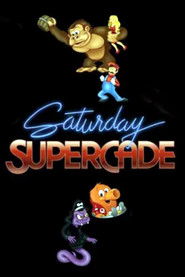
star 7Saturday Supercade is an animated television series produced for Saturday mornings by Ruby-Spears Productions. It ran for two seasons on CBS beginning in 1983. Each episode is composed of several shorter segments featuring video game characters from the Golden age of video arcade games.Alvin and the Chipmunks
1983
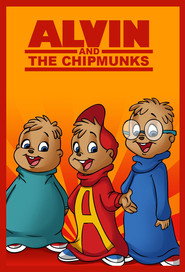
star 6.9Three chipmunk brothers, Alvin, Simon, and Theodore are adopted by human, Dave.Liegebeest
1983
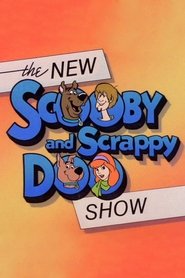
The New Scooby and Scrappy-Doo Show
1983
star 8The New Scooby and Scrappy Doo Show is the sixth incarnation of the Hanna-Barbera Saturday morning cartoon Scooby-Doo. It premiered on September 10, 1983, and ran for one season on ABC as a half-hour program made up of two eleven-minute short cartoons. The show is a return to the mystery solving format and reintroduces Daphne after a four-year absence. The plots of each episode feature her, Shaggy, Scooby-Doo, and Scrappy-Doo solving supernatural mysteries under the cover of being reporters for a teen magazine.星星知我心
1983
Τα ξύλινα σπαθιά
1983
Τα ξύλινα σπαθιά
1983
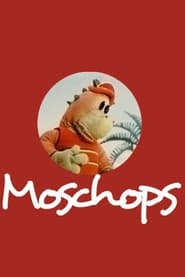
Moschops
1983
Moschops
1983
star 7.5Enter the fun prehistoric world of Moschops the Therapsid and all his dinosaur friends in this classic 80s British children's animated series. Voiced by Bernard Cribbins.Engel auf Rädern
1983
My Aunt Qumasha
1983
My Aunt Qumasha
1983
star 8.7A controlling mother who spies on her children and their spouses by installing cameras in their rooms is caught in a web of problems when one of her daughters-in-law finds out.Wagen 106
1983
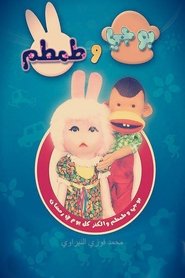
بوجي وطمطم
1983
بوجي وطمطم
1983
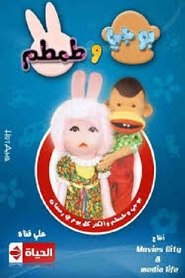
هو مسلسل عرائس مصري من تأليف وإخراج الراحل رحمي، كان له تأثير كبير في ثقافة الطفل المصري والعربي وقد حاز المسلسل علي متابعة الصغار والكبار، حيث ارتبط بوجدان الطفل لسنوات طويلة في ليالى شهر رمضان، حيث كان له الفضل في ارتباط الطفل المصري بعروسة مصرية خالصة من البيئة المصرية الاصيلة مما كان له أكبر الاثر في مواجهة الثقافات الغربية. صور مسلسل بوجي وطمطم في ثمانيات القرن العشرين حيث كان أول إنتاج له مسلسل عن السلوكيات وكان ذلك في عام 1983 وتوالت الاجزاء بعد ذلك (حوالي 18 جزء)..ومنها: بوجي وطمطم في رمضان الفيل الجميل محطة فلافيلو حكايات مع بوجي وطمطم الفانوس السحرى بو�Super Hero
1983
Super Hero
1983
Welcome to Pooh Corner
1983
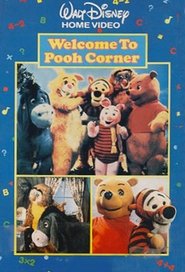
star 7Welcome to Pooh Corner is a live-action/puppet television series that aired on Disney Channel, featuring the characters from the Winnie the Pooh universe portrayed by actors in human-sized puppet suits, except Roo, who was originally a traditional puppet. The animatronic costumes used for the characters were created by Alchemy II, Inc., headed by Ken Forsse who later created the toy sensation Teddy Ruxpin. It was first aired on April 18, 1983, the day Disney Channel was launched, being the first Disney Channel Original Series. Its timeslot for its early run was at 7 AM Eastern Time, making it the first program of the Disney Channel's 16 hour programming day. The series was partially Disney Channel's first original series. Hal Smith, Will Ryan, and Laurie Main were the only three actors from the original four Pooh shorts to reprise their roles here. The show's title derives from the second Winnie the Pooh storybook, The House at Pooh Corner.Bogy and Tamtam
1983
Bogy and Tamtam
1983
star 10It is an Egyptian puppet series written and directed by the late Rahmi, which had a great impact on the culture of the Egyptian and Arab children. The original Egyptian environment, which had the greatest impact on confronting Western cultures. Pictures of the Buji and Tamtam series in the eighties of the twentieth century, where his first production was a series on behaviors, and that was in 1983 and parts came after thatThe Friendly Halves
1983
The Friendly Halves
1983