New Family TV Series on Tub Tv - Page 474
All Services
Free Services
 Netflix
 Amazon Prime Video
 Apple iTunes
 Apple TV Plus
 Disney Plus
 Google Play Movies
 Paramount Plus
 Hulu
Hulu
 HBO Max
 YouTube
 fuboTV
 Peacock
 Peacock Premium
 Amazon Video
 The Roku Channel
 AMC+
AMC on Demand
AMC+
AMC on Demand
 Kocowa
 Hoopla
 The CW
 Vudu
Vudu
 Starz
Starz
 Showtime
 PBS
PBS
 Pantaflix
 FXNow
FXNow
 Tubi TV
 Kanopy
 Comedy Central
 Crunchyroll
 Microsoft Store
 Redbox
 Sun Nxt
 ABC
ABC
 DIRECTV
 Crackle
 Fandor
 Plex
Plex
Netflix
Amazon Prime Video
Apple iTunes
Apple TV Plus
Disney Plus
Google Play Movies
Paramount Plus
Hulu
HBO Max
YouTube
fuboTV
Peacock
Peacock Premium
Amazon Video
The Roku Channel
AMC+
AMC on Demand
Kocowa
Hoopla
The CW
Vudu
Starz
Showtime
PBS
Pantaflix
FXNow
Tubi TV
Kanopy
Comedy Central
Crunchyroll
Microsoft Store
Redbox
Sun Nxt
ABC
DIRECTV
Crackle
Fandor
Plex

Telematch
1970
Telematch
1970
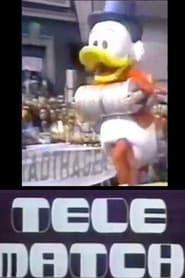
Telematch was the name of a German television show broadcast during the 1970s till 1979, based on its French counterpart Intervilles. It first consisted of a match between teams from two German towns, except for the last matches, which were between five towns. The match was composed of several games. For each game the participants would typically dress up in costumes. Often the costumes were elaborate and designed to increase the challenge of the game by making movement awkward. Games were played against the clock, or as a race. Telematch was produced by Transtel. It was dubbed into English, Hindi, Arabic, French and Spanish. It was shown in Argentina, Colombia, Ecuador, El Salvador, Venezuela, Bolivia, Paraguay, Peru, Costa Rica, Cuba, Puerto Rico, Panama, Dominican Republic, Nigeria, Middle East, India, Singapore, Sri Lanka and Uruguay as well as in various South East Asian and Caribbean nations and probably other places as well. A total of 43 episodes were made before production was halted. In Spain between 19Tommy Tulpe
1970
Tommy Tulpe
1970
El Calabozo
1970
El Calabozo
1970
All Star Comedy Carnival
1969
An annual Christmas special produced by ITV, containing new mini-episodes of popular British sitcoms and light entertainment programmes, with some musical interludes. It was hosted by Des O'Connor in 1969, Max Bygraves in 1970, Mike and Bernie Winters in 1971 and Jimmy Tarbuck in 1972 and 1973. Created as a direct competitor to the BBC's Christmas Night with the Stars, all had short five minute sketches devised and produced for transmission within the festive period, written by the original writers of each comedy series.Záhada hlavolamu
1969
Les Galapiats
1969
Les Galapiats
1969
star 7Six teenagers experience fantastic adventures at a summer camp in the Belgian Ardennes.Familie Bergmann
1969
Familie Bergmann
1969
Herkules Jonssons storverk
1969
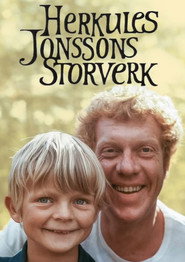
star 7Herkules Jonsson's father has never time for his son. Hercules mother is the secretary of the Banan Monopoly and owns a special pen with magic powers.Kråkguldet
1969
Kråkguldet
1969
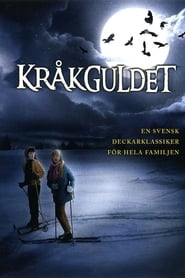
The story takes place during the weeks before Christmas, in the small mining town of fictitious Granhyttan in Bergslagen, Sweden. One day a suspicious couple, Signe and Orvar, arrives in the small town and retires in an abandoned hut. Nobody knows what they up to; but strange things starts to happen as Staffan finds a gold nugget while playing in a disused mine at the Kråkberget Mountain during a skiing trip with his schoolmates. Staffan believes the nugget is a part of Skarp-Erik's gold, as his grandpa had told exciting stories about. The news about the gold discovery spread quickly and Staffan and his friends are soon pursued by curious schoolmates, school staff and also the mysterious strangers. All this happens as the students are rehearsing for the nativity play before Christmas break.Augsburger Puppenkiste - Urmel aus dem Eis
1969
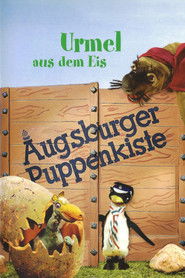
star 8.6There are incredible things on the remote South Sea island of Titiwu: a school that you can skip with impunity and a harmony between humans and animals that was thought to be lost. The absent-minded Professor Habakuk Tibatong has taught some animals to speak. For example, the pig lady Wutz, the shoebill Shush, Ping Penguin and the monitor lizard Wawa. On the rocky reef, the elephant seal sings his "traurögön Lödör" all the time. Unfortunately, every one of them except Wutz has a speech impediment. The orphan Tim Tintenklecks helps the professor when it comes to getting the animals excited about a joint project. And one day it happens: a block of ice is stranded on the shore. Inside is an egg from which a primeval creature hatches - the Urmel. And it can even talk. Professor Tibatong, who has always believed in the existence of the Urmel, does something stupid...Clangers
1969
Clangers
1969
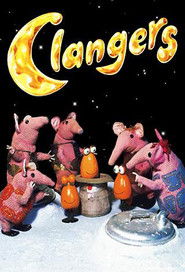
star 7.1Chronicles the melancholically funny lives of the Clangers, a flutey-voiced family of woolen, knitted aliens living below the surface of a knobbly little planet far out in space. Their misadventures brought them into contact with such unlikely creatures as the Soup Dragon, the Froglets, the Iron Chicken and the Glow Buzzers.Brother
1969
Brother
1969
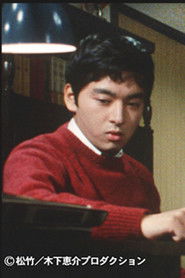
The drama depicts the lives and loves of people living in three different environments: a family consisting of two brothers and their parents; a family with a father and a daughter who are not well organized; and a girl who has moved from the countryside to Tokyo to live alone in the whirlwind of the big city, desperately trying to survive.Les Oraliens
1969
Chigley
1969
Chigley
1969
star 9Chigley is the third and final stop-motion children's television series in Gordon Murray's Trumptonshire sequence. Production details are identical to Camberwick Green. As in Camberwick Green and Trumpton, the action centres around a small community, in this case the fictitious village or hamlet of Chigley, near Camberwick Green in Trumptonshire. Chigley is more of an industrial area, and according to Gordon Murray, the three communities are at the corners of an equilateral triangle. A digitally restored version of the series from the rediscovered original film masters emerged in 2012.Sazae-san
1969
Sazae-san
1969
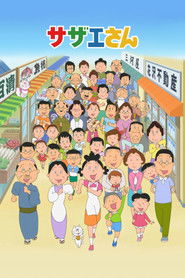
star 7The adventures of Sazae Fuguta and her family and friends in their Tokyo suburb.