New Talkshow TV Series on Tub Tv - Page 266
All Services
Free Services
 Netflix
 Amazon Prime Video
 Apple iTunes
 Apple TV Plus
 Disney Plus
 Google Play Movies
 Paramount Plus
 Hulu
Hulu
 HBO Max
 YouTube
 fuboTV
 Peacock
 Peacock Premium
 Amazon Video
 The Roku Channel
 AMC+
AMC on Demand
AMC+
AMC on Demand
 Kocowa
 Hoopla
 The CW
 Vudu
Vudu
 Starz
Starz
 Showtime
 PBS
PBS
 Pantaflix
 FXNow
FXNow
 Tubi TV
 Kanopy
 Comedy Central
 Crunchyroll
 Microsoft Store
 Redbox
 Sun Nxt
 ABC
ABC
 DIRECTV
 Crackle
 Fandor
 Plex
Plex
Netflix
Amazon Prime Video
Apple iTunes
Apple TV Plus
Disney Plus
Google Play Movies
Paramount Plus
Hulu
HBO Max
YouTube
fuboTV
Peacock
Peacock Premium
Amazon Video
The Roku Channel
AMC+
AMC on Demand
Kocowa
Hoopla
The CW
Vudu
Starz
Showtime
PBS
Pantaflix
FXNow
Tubi TV
Kanopy
Comedy Central
Crunchyroll
Microsoft Store
Redbox
Sun Nxt
ABC
DIRECTV
Crackle
Fandor
Plex

Unomattina
1986
Unomattina
1986
Surprise sur prise
1986
Surprise sur prise
1986
Kilroy
1986
Kilroy
1986
star 6.5Kilroy was a BBC One daytime chat show hosted by Robert Kilroy-Silk that began in 24 November 1986 and finished on 29 January 2004 after 18 years. The series was originally called Day to Day for the first two seasons, and renamed to Kilroy in September 1988.The Late Show
1986
The Late Show
1986
star 6.5The Late Show is an American late-night talk show and the first series broadcast on the then-new Fox Network. Originally hosted by comic actress Joan Rivers, it first aired on October 9, 1986 under the title The Late Show Starring Joan Rivers. It is also the first and only other late-night show hosted by Arsenio Hall.At the Movies
1986
At the Movies
1986
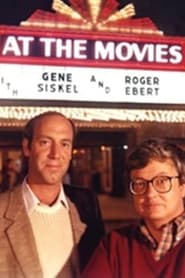
star 6At the Movies is a movie review television program produced by Disney-ABC Domestic Television in which two film critics shared their opinions of newly released films. The program aired under various names. Its original hosts were Roger Ebert of the Chicago Sun-Times and WLS-TV and Gene Siskel of the Chicago Tribune and WBBM-TV. Richard Roeper of the Sun-Times became Ebert's regular partner in 2000 after Siskel died in 1999.The Oprah Winfrey Show
1986
star 3.9The Oprah Winfrey Show, often referred to simply as Oprah, is an American syndicated talk show that aired nationally for 25 seasons from 1986 to 2011. Produced and hosted by its namesake, Oprah Winfrey, it remains the highest-rated talk show in American television history. The show was highly influential, and many of its topics penetrated into the American pop-cultural consciousness. Winfrey used the show as a platform to teach and inspire, providing viewers with a positive, spiritually uplifting experience by featuring book clubs, compelling interviews, self-improvement segments, and philanthropic forays into world events. The show gained credibility by not trying to profit off the products it endorsed; it had no licensing agreement with retailers when products were promoted, nor did the show make any money from endorsing books for its book club. Oprah is one of the longest-running daytime television talk shows in history. The show received 47 Daytime Emmy Awards before Winfrey decided to stop submitting it forShowgeschichten
1986
Showgeschichten
1986
ZDF-Fernsehgarten
1986
Ryōtarō Shiba Zatsudan: Shōwa eno Michi
1986
Beginning with the Meiji Restoration, modern Japan became a great power in Asia, but ended in the catastrophe of defeat. Writer Ryōtarō Shiba's recognition of this history has led him to tell the story of the Showa period before the madness of war, going back to the end of the Meiji-Bakumatsu periods, in a 12-part series.KVN Major League
1986
KVN Major League
1986
star 6.7KVN is a Russian humour TV show and competition where teams compete by giving funny answers to questions and showing prepared sketches. The programme was first aired by the First Soviet Channel on November 8, 1961. Eleven years later, in 1972, when few programmes were being broadcast live, Soviet censors found the students' impromptu jokes offensive and anti-Soviet and banned KVN. The show was revived fourteen years later during the Perestroika era in 1986, with Alexander Maslyakov as its host. It is one of the longest-running TV programmes on Russian Television. It also has its own holiday on November 8, the birthday of the game, which KVN players celebrate every year since it was announced and widely celebrated for the first time in 2001.Da Capo
1986
Da Capo
1986
Tea with Tosh
1986
Tea with Tosh
1986
'Tea with Tosh' was a cable public access TV chat show that aired from 1986-87. Hosted by Tosh Berman and featuring guests such as Philip Glass, Russ Tamblyn, Carole Caroompas, and Michael Silverblatt. All 20 episodes are available on Tosh Berman's YouTube channel.Forum
1985
Forum
1985
Die goldene Eins
1985
Die goldene Eins
1985
Larry King Live
1985
Larry King Live
1985
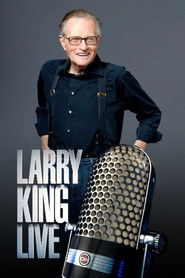
star 5.2Larry King Live is an American talk show that was hosted by Larry King on CNN from 1985 to 2010. It was CNN's most watched and longest-running program, with over one million viewers nightly.Quelli della notte
1985
Watashi no Seishun Note
1985
An educational program where notable figures from various fields—such as business, art, sports, and more—give lectures to high school students about their own youth. The program aims to inspire and guide them by encouraging reflection on past experiences and future life choices through thoughtful discussions.The Max Headroom Show
1985
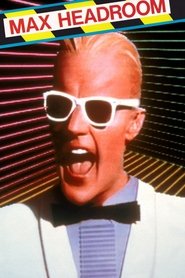
star 7.5The Max Headroom Show started life in the UK in 1985. The show featured actor Matt Frewer playing the role as computer-generated talk-show host Max Headroom.辽宁卫视春节联欢晚会
1985
辽宁卫视春节联欢晚会
1985
Sonntagsgespräch
1985
Sonntagsgespräch
1985