New Crime TV Series on Tubi TV - Page 29
All Services
Free Services
 Netflix
 Amazon Prime Video
 Apple iTunes
 Apple TV Plus
 Disney Plus
 Google Play Movies
 Paramount Plus
 Hulu
Hulu
 HBO Max
 YouTube
 fuboTV
 Peacock
 Peacock Premium
 Amazon Video
 The Roku Channel
 AMC+
AMC on Demand
AMC+
AMC on Demand
 Kocowa
 Hoopla
 The CW
 Vudu
Vudu
 Starz
Starz
 Showtime
 PBS
PBS
 Pantaflix
 FXNow
FXNow
 Tubi TV
 Kanopy
 Comedy Central
 Crunchyroll
 Microsoft Store
 Redbox
 Sun Nxt
 ABC
ABC
 DIRECTV
 Crackle
 Fandor
 Plex
Plex
Netflix
Amazon Prime Video
Apple iTunes
Apple TV Plus
Disney Plus
Google Play Movies
Paramount Plus
Hulu
HBO Max
YouTube
fuboTV
Peacock
Peacock Premium
Amazon Video
The Roku Channel
AMC+
AMC on Demand
Kocowa
Hoopla
The CW
Vudu
Starz
Showtime
PBS
Pantaflix
FXNow
Tubi TV
Kanopy
Comedy Central
Crunchyroll
Microsoft Store
Redbox
Sun Nxt
ABC
DIRECTV
Crackle
Fandor
Plex

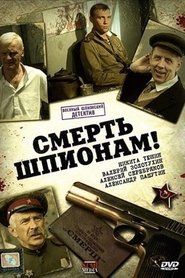
Death to the Spies!
2007
Death to the Spies!
2007
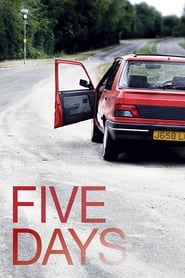
star 7The film tells about the events of 1944 and about one operation of SMERSH, the special department of Soviet counterintelligence. The command suspects that an enemy is working in the liberated territory, who must get documents compromising the Soviet government (we are talking about secret negotiations with the Germans), left somewhere in the dungeon of Hitler's former headquarters.Five Days
2007
The Killing
2007
The Killing
2007
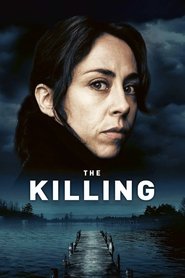
star 8The Killing is a Danish police procedural set in the Copenhagen main police department and revolves around Detective Inspector Sarah Lund and her team, with each season series following a different murder case day-by-day and a one-hour episode covering twenty-four hours of the investigation. The series is noted for its plot twists, season-long storylines, dark tone and for giving equal emphasis to the story of the murdered victim's family alongside the police investigation. It has also been singled out for the photography of its Danish setting, and for the acting ability of its cast.Bon Voyage
2006
Bon Voyage
2006
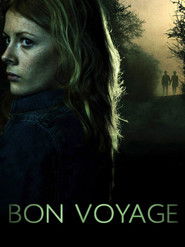
star 6.2When Neil and Elizabeth take their children on a camping holiday to France, they find themselves continually bumping into over-friendly couple Simon and Linda. Elizabeth finds the couple weird, but when they begin to spot Simon and Linda's campervan in their rear view mirror, and a young boy goes missing from the campsite, they realise the couple are more than creepy....they're dangerous.Kidnapped
2006
Kidnapped
2006
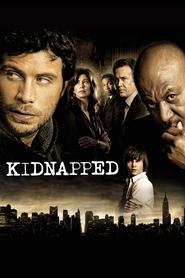
star 7.1Kidnapped is an American television drama series from Sony Pictures Television which aired on NBC from September 20, 2006, to August 11, 2007. The series returned on Universal HD in 2008.Most Evil
2006
Most Evil
2006
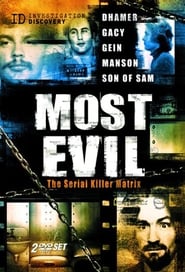
star 7.9Most Evil is an American forensics television program on Investigation Discovery presented by forensic psychiatrist Michael Stone of Columbia University. On the show, Stone rates murderers on a scale of evil that Stone himself has developed. The show features profiles on various murderers, serial killers, mass murderers and psychopaths.See No Evil: The Moors Murders
2006
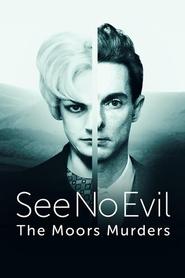
star 6.4See No Evil: The Moors Murders is a British two-part television serial directed by Christopher Menaul. It was produced by Granada Television and broadcast on ITV during May 2006. It tells the story of the Moors Murders, which were committed during the 1960s by Myra Hindley and Ian Brady, from the view of Hindley's sister Maureen Smith and her husband David.Psychic Investigators
2006
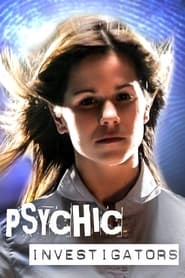
When police attempt to solve a crime, and the perpetrator is still unknown, sometimes a psychic can be their best investigative tool. Each episode follows the investigation of a real crime, both from the perspective of the police officer whose methods use science, logic, and reason, and from the point of view of the psychic who deals in feelings, emotions, and impressions. Featuring true crime investigations from around the globe, compelling interviews, and all the suspense and intrigue of a supernatural thriller.Lo Que La Gente Cuenta
2005
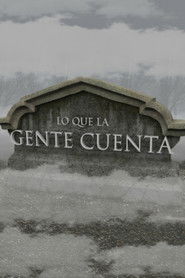
star 7.8The program focuses on horror and suspense stories, based on real events, only the names of the characters were changed and also a little of the story.The Ghost Squad
2005
The Ghost Squad
2005
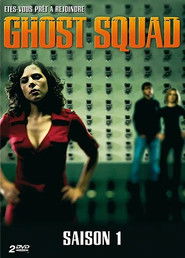
star 5.8The Ghost Squad was a 2005 British crime drama series produced by Company Pictures, for Channel 4. The show was created by Tom Grieves. Inspired by the real life "Ghost Squad" that existed between 1994 and 1998, secretly investigating police corruption, the premise of the series is that the squad continued to operate in secret after officially being shut down. It starred Elaine Cassidy as a police constable recruited into the squad and Jonas Armstrong as her handler. The show was cancelled after a single seven episode series.Masters of Horror
2005
Masters of Horror
2005
star 7.1An anthology series written and directed by the most famous names in horror.Human Trafficking
2005
Human Trafficking
2005
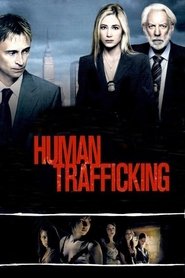
star 7The story of an American Immigration and Customs Enforcement agent going undercover to stop an organization from trafficking people, and the struggles of three trafficked women.Jericho
2005
Jericho
2005
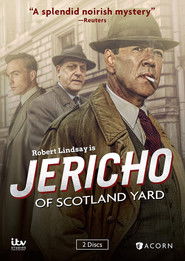
star 7.3Jericho is an ITV British crime drama series which was transmitted in 2005. It was created and written by Stewart Harcourt and starred Robert Lindsay as Detective Inspector Michael Jericho, who is loved by the public but who is embarrassed by his status as a hero. The series was set in London in 1958.Close to Home
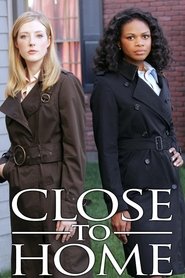
2005
Crime Investigation Australia
2005
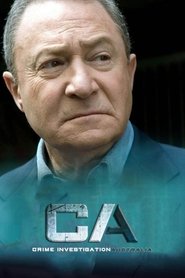
star 8.5Crime Investigation Australia is an Australian true-crime series that first premiered on Foxtel's Crime & Investigation Network in August 2005. The series is also rebroadcast on the Nine Network, and made its debut there on 14 August 2007. The host of the series is Steve Liebmann.Border Security: Australia's Front Line
2004
star 7.2Border Security: Australia's Front Line is an Australian television program that airs on the Seven Network. The show follows the work of officers of Australian Customs and Border Protection, the Australian Quarantine and Inspection Service, and the Department of Immigration and Citizenship as they enforce Australian customs, quarantine, immigration and finance laws. Most of the programme is filmed at Sydney and Melbourne airports. Occasionally, the program features other locations such as Brisbane Airport, Perth Airport, seaports, international mail centres, raids on workplaces suspected of employing persons contrary to the restrictions of their visa or immigrant status and the work of Customs vessels and aircraft in the waters of Northern Australia.Snapped
2004
Snapped
2004
star 7.8The fascinating cases of every day, seemingly average moms, wives and girlfriends accused of murder. Did they really do it? And if so, why?Dr. G: Medical Examiner
2004
star 7.3Dr. G: Medical Examiner documents cases handled by deputy chief medical examiner Dr. Jan C. Garavaglia (aka Dr. G) of Florida's District Nine Medical Examiner's Office. Each episode features two or three cases Dr. G has handled in the Orlando area, and also in Bexar County, Texas and Jacksonville, Florida where she was previously employed. Some portions of the show have been dramatized and some names have been changed to protect the dignity of individuals and their families.The First 48
2004
The First 48
2004
star 7.9The First 48 follows detectives from around the country during these first critical hours as they race against time to find the suspect. Gritty and fast-paced, it takes viewers behind the scenes of real-life investigations with unprecedented access to crime scenes, autopsies, forensic processing, and interrogations.Zenigata Heiji
2004
Zenigata Heiji
2004
Heiji is an undercover policeman in the city of Edo. He possesses a superior skill of throwing coins. When a criminal is caught, Heiji throws coins at the offender and reveals his true identity. Like “Abarenbo Shogun,” “Mito Komon” and “Toyama no Kinsan,” “Zenigata Heiji” is about an official working undercover to catch criminals. The hero was created by novelist Kodō Nomura in 1931.