Popular Action Adventure TV Series - Page 260
All Services
Free Services
 Netflix
 Amazon Prime Video
 Apple iTunes
 Apple TV Plus
 Disney Plus
 Google Play Movies
 Paramount Plus
 Hulu
Hulu
 HBO Max
 YouTube
 fuboTV
 Peacock
 Peacock Premium
 Amazon Video
 The Roku Channel
 AMC+
AMC on Demand
AMC+
AMC on Demand
 Kocowa
 Hoopla
 The CW
 Vudu
Vudu
 Starz
Starz
 Showtime
 PBS
PBS
 Pantaflix
 FXNow
FXNow
 Tubi TV
 Kanopy
 Comedy Central
 Crunchyroll
 Microsoft Store
 Redbox
 Sun Nxt
 ABC
ABC
 DIRECTV
 Crackle
 Fandor
 Plex
Plex
Netflix
Amazon Prime Video
Apple iTunes
Apple TV Plus
Disney Plus
Google Play Movies
Paramount Plus
Hulu
HBO Max
YouTube
fuboTV
Peacock
Peacock Premium
Amazon Video
The Roku Channel
AMC+
AMC on Demand
Kocowa
Hoopla
The CW
Vudu
Starz
Showtime
PBS
Pantaflix
FXNow
Tubi TV
Kanopy
Comedy Central
Crunchyroll
Microsoft Store
Redbox
Sun Nxt
ABC
DIRECTV
Crackle
Fandor
Plex

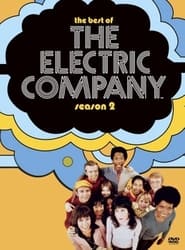
The Electric Company
1971
The Electric Company
1971
star 7.3The Electric Company is an educational American children's television series that was produced by the Children's Television Workshop for PBS in the United States. PBS broadcast 780 episodes over the course of its six seasons from October 25, 1971 to April 15, 1977. After it ceased production that year, the program continued in reruns from 1977 to 1985, the result of a decision made in 1975 to produce two final seasons for perpetual use. CTW produced the show at Teletape Studios Second Stage in Manhattan, the first home of Sesame Street. The Electric Company employed sketch comedy and other devices to provide an entertaining program to help elementary school children develop their grammar and reading skills. It was intended for children who had graduated from CTW's flagship program, Sesame Street. Appropriately, the humor was more mature than what was seen there.No One Could Live Here
2003
star 8.4A caustic satire of many of the 'types' found in Spanish society.周杰伦
2000
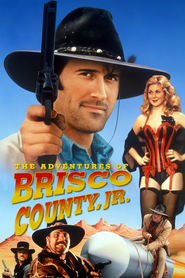
The Adventures of Brisco County, Jr.
1993
star 7.1A tough-as-rawhide cowpoke, debonair ladies' man and Harvard-educated smarty-britches roams from Frisco to Jalisco in pursuit of outlaws who killed his father...and in search of a mysterious orb possessing out-of-this world powers. Hot lead and cool anachronisms await Brisco as he and his sidekicks - including Comet, the intellectual equine who doesn't know he's a horse - fight for justice in the way, way, way-out West.Merlí
2015
Merlí
2015
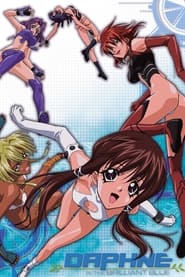
star 8.6He’s surly, unorthodox, unapologetically blunt, and he’s about to change your life. Meet the new philosophy teacher, Merlí, who will help his students view the world in a whole new light, both in and out of the classroom.Daphne in the Brilliant Blue
2004
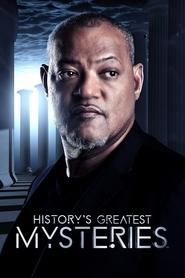
star 7.5In the future, water has covered much of the Earth due to the effects of global warming, leaving the human race to live on neighboring floating cities. The orphaned Maia Mizuki, 15, just graduated from middle school and has already applied for employment in the elite Ocean Agency, part of the futuristic world government. Only the best, most intelligent, and physically fit students are eligible for admission.History's Greatest Mysteries
2020
star 7.8Investigates a wide range of historically compelling topics and the mysteries surrounding each including the Titanic, D.B. Cooper, Roswell, John Wilkes Booth, and more. Fresh, new evidence and perspectives will be showcased, such as never-before-released documents, personal diaries and DNA evidence.Princession Orchestra
2025
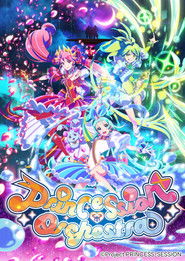
star 5.8Using the power of music, three girls transform into magical "princesses" to protect their peaceful utopian home from threatening, mysterious creatures.WWE ECW
2006
WWE ECW
2006
star 6.6ECW was a professional wrestling television program for WWE, based on the independent Extreme Championship Wrestling promotion that lasted from 1992 to 2001. The show's name also referred to the ECW brand, in which WWE employees were assigned to work and perform, complementary to WWE's other brands, Raw and SmackDown. It debuted on June 13, 2006 on Sci Fi in the United States and ran for close to four years until it aired its final episode on February 16, 2010 on the rebranded Syfy. It was replaced the following week with WWE NXT.From Today, It's My Turn!!
2018
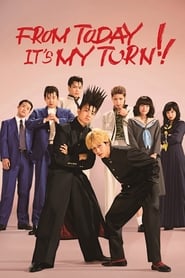
star 7.9Two transfer students, Takashi Mitsuhashi and Shinji Itō, tired of their boring normal life and unpopularity, decide to take their arrival at a new school as an opportunity to reinvent their image, and become delinquents. The duo set out on various misadventures to become the greatest delinquents in all Japan!Digimon Fusion
2010
Digimon Fusion
2010
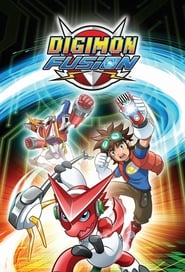
star 8.1Digimon Fusion, known in Japan as Digimon Xros Wars and in Malaysia as Digimon Fusion Battles, is the sixth anime children television series in the Digimon franchise by Akiyoshi Hongō, produced by Toei Animation. It follows a boy named Taiki Kudō who utilizes the power of joining together Digimon in order to save the Digital World. The series was broadcast on TV Asahi and Asahi Broadcasting Corporation between July 6, 2010 and March 25, 2012, divided into three seasons, titled Xros Wars, The Evil Death Generals and the Seven Kingdoms, and The Young Hunters Who Leapt Through Time respectively.Night Heat
1985
Night Heat
1985
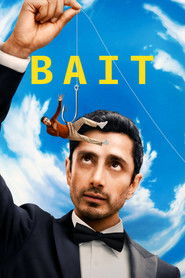
star 7Night Heat was a Canadian police drama series. It starred Allan Royal as journalist Tom Kirkwood, who chronicled the nightly police beat of detectives Kevin O'Brien and Frank Giambone in an unnamed northeastern North American metropolis. The police crime drama series aired on both CTV in Canada and CBS in the United States from 1985 to 1989. Night Heat was conceived by Sonny Grosso, a former New York City Police Department detective. Grosso served as the show's executive producer along with his partner, Larry Jacobson.Bait
2026
Bait
2026
star 6.7Shah Latif is a struggling actor on the cusp of landing the role of a lifetime, only to find himself thrust into a full blown existential crisis and trippy conspiracy thriller all at the same time.Bade Achhe Lagte Hain
2011
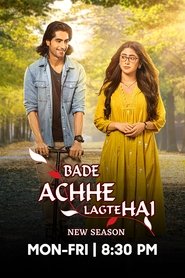
star 8Bade Achhe Lagte Hain is the sublime love story of an unexpected relationship. A marriage of compromise between two completely opposite personalities blossoms into a true partnership.Clean with Passion for Now
2018
star 7.4Gil Oh-so, an employee at a cleaning company, meets Jang Seon-gyul, the boss of the company. The two are diametric opposite when it comes to cleanliness. With the help of Oh-sol, Seon-gyul faces his mysophobia and falls in love with her.Så ska det låta
1997
Så ska det låta
1997
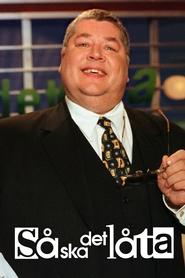
star 5.8Så ska det låta is a Swedish game show, based on the Irish The Lyrics Board. The show was introduced in 1997 and led by Peter Harryson until Peter Settman took over in 2006. Så ska det låta can be watched online at svt play for approximately one month after airing.New Legend of Madame White Snake
1992
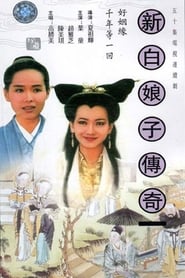
star 8.6New Legend of Madame White Snake (Chinese: 新白娘子傳奇) is a 1992 TV series starring Angie Chiu and Cecilia Yip. It is based on the Chinese folk legend Legend of the White Snake. First shown on Taiwan Television in 1992, the series was broadcast on China Central Television in 1993 and became a major hit.Timewatch
1982
Timewatch
1982
star 6.9Timewatch is a long-running British television series showing documentaries on historical subjects, spanning all human history. It was first broadcast on 29 September 1982 and is produced by the BBC, the Timewatch brandname is used as a banner title in the UK, but many of the individual documentaries can be found on US cable channels without the branding.Dragons' Den
2005
Dragons' Den
2005
star 6.4Budding entrepreneurs get three minutes to pitch their business ideas to five multi-millionaires willing to invest their own cash.Diary of Our Days at the Breakwater
2020
star 8.2Hina Tsurugi and her family have just moved to a quaint seaside town. Hoping to savor the sight of the peaceful ocean, Hina stumbles upon a girl named Yuuki Kuroiwa—an upperclassman at her new school—who invites Hina to join her in fishing. Hina reels in an octopus, which falls onto her; being afraid of bugs and big creatures, she panics and begs Yuuki to remove it from her. Yuuki sees this as an opportunity to force Hina to join the school's Breakwater Club—a club where members gather, catch, and eat various types of marine life as their main activity. Although her attempts to refuse to join fail, Hina slowly begins to discover the hidden joy in fishing. Her view on the sport changes, now looking forward to all the delightful experiences she can take part in alongside her fellow club members.