Popular Action Adventure TV Series - Page 70
All Services
Free Services
 Netflix
 Amazon Prime Video
 Apple iTunes
 Apple TV Plus
 Disney Plus
 Google Play Movies
 Paramount Plus
 Hulu
Hulu
 HBO Max
 YouTube
 fuboTV
 Peacock
 Peacock Premium
 Amazon Video
 The Roku Channel
 AMC+
AMC on Demand
AMC+
AMC on Demand
 Kocowa
 Hoopla
 The CW
 Vudu
Vudu
 Starz
Starz
 Showtime
 PBS
PBS
 Pantaflix
 FXNow
FXNow
 Tubi TV
 Kanopy
 Comedy Central
 Crunchyroll
 Microsoft Store
 Redbox
 Sun Nxt
 ABC
ABC
 DIRECTV
 Crackle
 Fandor
 Plex
Plex
Netflix
Amazon Prime Video
Apple iTunes
Apple TV Plus
Disney Plus
Google Play Movies
Paramount Plus
Hulu
HBO Max
YouTube
fuboTV
Peacock
Peacock Premium
Amazon Video
The Roku Channel
AMC+
AMC on Demand
Kocowa
Hoopla
The CW
Vudu
Starz
Showtime
PBS
Pantaflix
FXNow
Tubi TV
Kanopy
Comedy Central
Crunchyroll
Microsoft Store
Redbox
Sun Nxt
ABC
DIRECTV
Crackle
Fandor
Plex

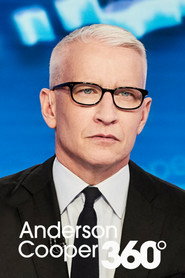
Anderson Cooper 360°
2003
Anderson Cooper 360°
2003
star 5.4Anderson Cooper goes beyond the headlines to tell stories from many points of view, so you can make up your own mind about the news.Non Non Biyori
2013
Non Non Biyori
2013
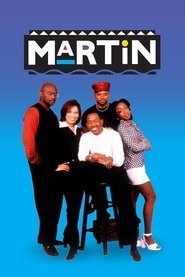
star 7.9Elementary school student Hotaru Ichijou has moved with her parents from Tokyo to the middle of the country. Now she must adapt to her new school, where there are a total of 5 students in the same class who range through elementary and middle school ages. Join their everyday adventures in the countryside.Martin
1992
Martin
1992
star 7.6Sassy sitcom centering on radio and television personality Martin Payne. Series focuses on his romantic relationship with girlfriend Gina, her best friend Pam and escapades with best friends Tommy and Cole.Charmsukh - Jane Anjane Mein
2023
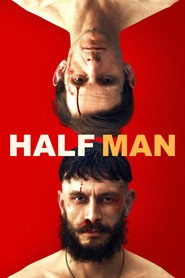
Chandni's mundane and routine married life spices up, when her older brother in law arrives at their place to stay. Chandni's loins start firing up, and thus starts a tug of war between her integral family values and her personal lustful adventure.Half Man
2026
Half Man
2026
star 8.3When Niall's estranged 'brother' Ruben shows up at his wedding, it leads to an explosion of violence that catapults us back through their lives.Quantico
2015
Quantico
2015
star 6.5A diverse group of recruits has arrived at the FBI Quantico Base for training. They are the best, the brightest and the most vetted, so it seems impossible that one of them is suspected of masterminding the biggest attack on New York City since 9/11.The Guardians of Carcosa
2013
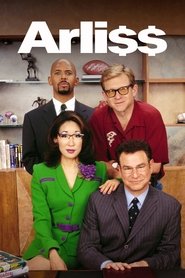
star 7The Guardians of Carcosa have made it their mission to protect all humans. Watch the battle for humanity ensue, and join adventures to the realms Carcosa Wonderland and beyond.Arli$$
1996
Arli$$
1996
star 6.8A behind-the-scenes look at the glitzy, big-money world of professional sports following the eternally optimistic and endlessly resourceful L.A. sports agent Arliss Michaels whose Achilles' heel is his inability to say “no” to clients and employees.Wanna Be Happy?
2021
Wanna Be Happy?
2021
star 7.2Alyona Lipnitskaya, at the head of a team of doctors, helps patients to establish a personal life using the author's technique and demonstrates by her example the effectiveness of the chosen lifestyle — Alyona turns 50, but others do not give her more than 35. Her clinic is visited by people whose health problems and relationships with loved ones are rooted in sexual disharmony. However, problems appear in the life of a happy and successful doctor of sciences — the puzzle of a happy life collapses in an instant. Alyona will have to fight for the clinic, sort out her personal life and find a new formula for happiness.Das perfekte Dinner
2005
Das perfekte Dinner
2005
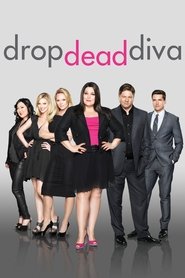
Drop Dead Diva
2009
Drop Dead Diva
2009
star 7.7A shallow model suddenly dies in an accident only to find her soul resurfacing in the body of a brilliant, plus-sized attorney.Murphy Brown
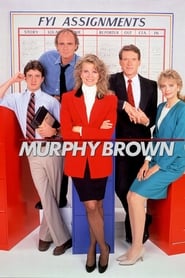
1988
Murphy Brown
1988
star 6.4Murphy Brown (Candice Bergen) is a recovering alcoholic who returns to the fictional newsmagazine FYI for the first time following a stay at the Betty Ford Clinic residential treatment center. Over 40 and single, she is sharp tongued and hard as nails. In her profession, she is considered one of the boys, having shattered many glass ceilings encountered during her career. Dominating the FYI news magazine, she is portrayed as one of America's hardest-hitting (though not the warmest or more sympathetic) media personalities.Wanted: Dead or Alive
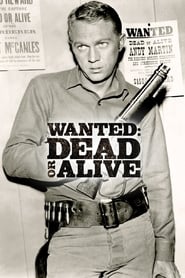
1958
star 7Wanted: Dead or Alive is an American Western television series starring Steve McQueen as the bounty hunter Josh Randall. It aired on CBS for three seasons from 1958–61. The black-and-white program was a spin-off of a March 1958 episode of Trackdown, a 1957–59 western series starring Robert Culp. Both series were produced by Four Star Television in association with CBS Television. The series launched McQueen into becoming the first television star to cross over into comparable status on the big screen.Police Woman
1974
Police Woman
1974
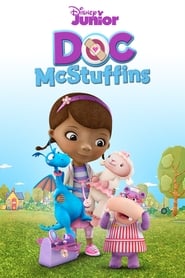
star 6.4Sergeant “Pepper"” Anderson, an undercover cop for the Criminal Conspiracy Unit of the Los Angeles Police Department, poses undercover from mob girl to prostitute.Doc McStuffins
2012
Medical Center
1969
Medical Center
1969
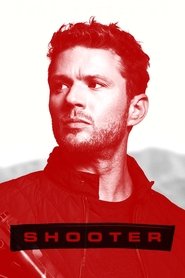
star 6.4Medical Center is a medical drama series which aired on CBS from 1969 to 1976. It was produced by MGM Television.Shooter
2016
Shooter
2016
star 7.2Bob Lee Swagger is an expert marksman living in exile who is coaxed back into action after learning of a plot to kill the president.Leyla
2024
Leyla
2024
star 8.4As a child, Leyla suffers a blow from her stepmother and sees her world turned upside down. She loses everything - except the thirst for revenge. In search of justice, Leyla transforms into someone else and returns determined to settle accounts with the woman who destroyed her life and left her in a garbage dump. However, her revenge falters when she discovers the relationship between her ex-stepmother and the man, with whom she shared an innocent and unforgettable love affairNogizaka Under Construction
2015
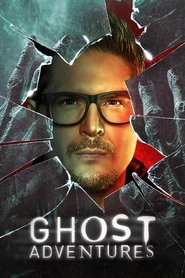
star 7.2Nogizaka46 is making a big leap forward right now! Their activities range from live performances, varieties, dramas, movies, and models. In order to give these girls even more momentum, this program will challenge various projects that bring out new aspects and charms of the members!!!Ghost Adventures
2008
Ghost Adventures
2008
star 7.7Paranormal investigator Zak Bagans and his crew, Nick Groff and Aaron Goodwin, search for haunted locations both domestically and internationally. During their investigations, Zak and crew acquaint themselves with the general area; interview locals about the hauntings; and go face-to-face with the evil spirits who reportedly haunt these locations.