Popular Animation TV Series - Page 490
All Services
Free Services
 Netflix
 Amazon Prime Video
 Apple iTunes
 Apple TV Plus
 Disney Plus
 Google Play Movies
 Paramount Plus
 Hulu
Hulu
 HBO Max
 YouTube
 fuboTV
 Peacock
 Peacock Premium
 Amazon Video
 The Roku Channel
 AMC+
AMC on Demand
AMC+
AMC on Demand
 Kocowa
 Hoopla
 The CW
 Vudu
Vudu
 Starz
Starz
 Showtime
 PBS
PBS
 Pantaflix
 FXNow
FXNow
 Tubi TV
 Kanopy
 Comedy Central
 Crunchyroll
 Microsoft Store
 Redbox
 Sun Nxt
 ABC
ABC
 DIRECTV
 Crackle
 Fandor
 Plex
Plex
Netflix
Amazon Prime Video
Apple iTunes
Apple TV Plus
Disney Plus
Google Play Movies
Paramount Plus
Hulu
HBO Max
YouTube
fuboTV
Peacock
Peacock Premium
Amazon Video
The Roku Channel
AMC+
AMC on Demand
Kocowa
Hoopla
The CW
Vudu
Starz
Showtime
PBS
Pantaflix
FXNow
Tubi TV
Kanopy
Comedy Central
Crunchyroll
Microsoft Store
Redbox
Sun Nxt
ABC
DIRECTV
Crackle
Fandor
Plex

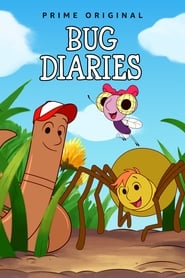
The Bug Diaries
2019
The Bug Diaries
2019
star 7An animated comedy series that follows a comic trio of slimy, crawly, and buzzy bug friends whose tiny world offers up huge adventures.Leopold the Cat
1975
Leopold the Cat
1975
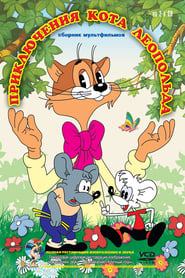
star 6.7Leopold the Cat is a Soviet/Russian animation series about the pacifistic, and intelligent cat, Leopold. Leopold always wears a bow tie even when swimming. He is always confronted by two mischievous mice, Grey and White. It was filmed by T/O Ekran in 1975 - 1987 and its runtime is 87 min. As of 1987, there were 11 episodes in total. Eventually, in 1995, most of the episodes were released on DVD. It was directed by Anatoly Reznikov, and the screenplay was written by Arkady Hayt. Boris Savelyev wrote the score. The cinematography was by Ernst Gaman, Igor Shkamarda, and Vladimir Milovanov. Nelli Kudrina did the sound. His catchphrase is - "Let's live in friendship, guys". The catchphrases of the mice are "Come out, Leopold!" by one and "Come out, you foul coward!" by the second.宝宝巴士启蒙音乐剧之蜜蜜和伙伴们
2021
宝宝巴士启蒙音乐剧之蜜蜜和伙伴们
2021
小樱桃
2000
小樱桃
2000
Doraleous and Associates
2012
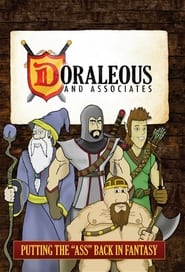
star 10In the magical territory of Nudonia (a land of many kingdoms) resides a small band of warriors called Doraleous and Associates who challenge the forces of evil. Outnumbered and out-weaponed the small group of heroes seek the legendary Zephyr blade (guarded by the Lady of the Lake) to face the immortal Titanus and the Nanadoo Army. Together, Doraleous and his noble warriors, Neebs, Drak, Mirdon, Broof and Sir Walken take on the most dangerous feats and support those who cannot defeat dark forces on their own...for a small fee.Ottifants
1993
Ottifants
1993
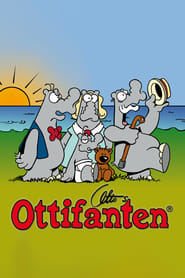
star 8.8Otto's Ottifants is an animated series published in 1993, featuring the famous elephant-like characters created by german comedian Otto Walkes. Within a short period of time the humorous stories of Family Bommel and their notorious baby Bruno won the hearts of many young and old people in all the German-speaking areas in Europe.Tobot Athlon
2019
Tobot Athlon
2019
Elementary school student and Robot Racing super-fan Kyle Hughes finally gets the chance to live out his dreams, and joins the League with Alpha, Beta and Theta- the three Tobots built by his mother, Dr. Hughes.Timeless Tales from Hallmark
1990
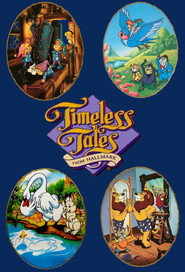
Timeless Tales from Hallmark is a series of animated fairy tale adaptations produced by Hanna-Barbera and Hallmark Cards. Eight half-hour stories were produced for VHS distribution in 1990 and 1991.三国演义
2025
三国演义
2025
食神魂 动态漫
2017
食神魂 动态漫
2017
Bomberman B-Daman Bakugaiden Victory
1999
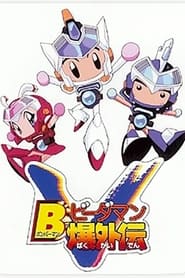
star 6Bomberman B-Daman Bakugaiden Victory or Bomberman B-Daman Bakugaiden V is a Coro Coro Comic series by Koichi Mikata, based on Bomberman and B-Daman. The animated television series is broadcast on Nagoya TV. V stands for "Victory" but the anime is also based on the 5th BB-daman manga.变形联盟之勇者无惧
2023
ベイビーフィリックス
2000
ベイビーフィリックス
2000
star 5.2Baby Felix is a children's animated television program that follows the adventures of a young Felix the Cat and infant versions of the characters from Joe Oriolo's Felix television program from the 1950s. It was launched by Oriolo's son, Don Oriolo in 2000 with NHK Educational, NEC Interchannel and AEON inc. of Japan. The show consists of 26 half-hour episodes. It follows in the long line of "Baby Cartoon Revivals" alongside such shows as Muppet Babies, Baby Looney Tunes, and The Flintstone Kids. All 26 episodes were released in Bulgaria on 9 DVDs by A-Design. In 2010, DVDs have been released in Hungary as well.Tottie: The Story of a Doll's House
1984
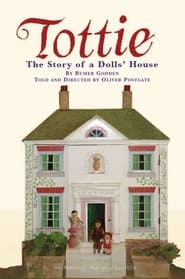
star 7.5Tottie: The Story of a Doll's House is a 1984 animated television series. It is based on The Dolls' House, a children's novel written by Rumer Godden originally published in 1947, and focuses on the toys living in a Victorian Dolls' House belonging to sisters Emily and Charlotte Dane. The whole series had a very dark edge as the dolls had to wish very hard that good things would happen and they would not fall on misfortune. The series started with the phrase "Dolls are not like people, people choose, but dolls can only be chosen".Anime Kapibara-san
2020
Anime Kapibara-san
2020
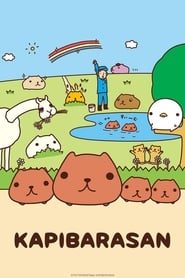
star 2The series follows the daily adventures of Kapibara-san and his animal friends as they chill out among the Midorino Grasslands.最强蜗牛西能
2020
最强蜗牛西能
2020
Zumbis em Campo
2013
Fire X Fire!!!
2018
Fire X Fire!!!
2018
Theodore Tugboat
1993
Theodore Tugboat
1993
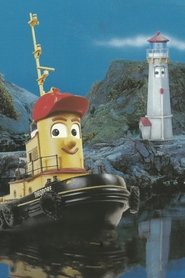
star 7Theodore Tugboat is a Canadian children's television series about a tugboat named Theodore who lives in the Big Harbour with all of his friends. The show originated in Halifax, Nova Scotia, Canada as a co-production between the CBC, and the now defunct Cochran Entertainment, and was filmed on a model set using radio controlled tugboats, ships, and machinery. Production of the show ended in 2001, and its distribution rights were later sold to Classic Media. The show premiered in Canada on CBC Television, then went to PBS, was on Qubo in the US, and at one time, had appeared in eighty different countries. The show deals with life learning issues portrayed by the tugs or other ships in the harbour. Most often, the tugs have a problem, or get involved in a struggle with each other or another ship, but they always manage to help one another resolve these problems and see them through. Their main focus however, is to always make the Big Harbour the friendliest harbour in the world, and to always do a good job with their