Popular Crime TV Series - Page 285
All Services
Free Services
 Netflix
 Amazon Prime Video
 Apple iTunes
 Apple TV Plus
 Disney Plus
 Google Play Movies
 Paramount Plus
 Hulu
Hulu
 HBO Max
 YouTube
 fuboTV
 Peacock
 Peacock Premium
 Amazon Video
 The Roku Channel
 AMC+
AMC on Demand
AMC+
AMC on Demand
 Kocowa
 Hoopla
 The CW
 Vudu
Vudu
 Starz
Starz
 Showtime
 PBS
PBS
 Pantaflix
 FXNow
FXNow
 Tubi TV
 Kanopy
 Comedy Central
 Crunchyroll
 Microsoft Store
 Redbox
 Sun Nxt
 ABC
ABC
 DIRECTV
 Crackle
 Fandor
 Plex
Plex
Netflix
Amazon Prime Video
Apple iTunes
Apple TV Plus
Disney Plus
Google Play Movies
Paramount Plus
Hulu
HBO Max
YouTube
fuboTV
Peacock
Peacock Premium
Amazon Video
The Roku Channel
AMC+
AMC on Demand
Kocowa
Hoopla
The CW
Vudu
Starz
Showtime
PBS
Pantaflix
FXNow
Tubi TV
Kanopy
Comedy Central
Crunchyroll
Microsoft Store
Redbox
Sun Nxt
ABC
DIRECTV
Crackle
Fandor
Plex

刑警时刻之风华正茂
0000
刑警时刻之风华正茂
0000
Set in the 1990s, the story follows a group of detectives who tackle high-profile criminal cases, showcasing their courage, innovation, and unwavering pursuit of justice.Taking the Stand
2022
Taking the Stand
2022
star 7.2The story of crimes from the unique lens of the accused as they take the witness stand.Big Little Crimes
2023
Big Little Crimes
2023
star 5Minor incidents - huge impact. The gob-smacking stories of ordinary coppers who stumbled upon key pieces of evidence and helped take down major criminals.Murder by the Sea
2018
Murder by the Sea
2018
star 6Presented by journalist and true crime author Geoffrey Wansell, Murder by the Sea examines strange murders recorded at famous seaside resorts in the United Kingdom.Simon Coleman
2022
Dip
2018
Dip
2018
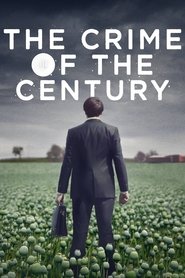
star 6.6Dip / The Deep (2018) is a Turkish PuhuTV psychological thriller (8 episodes) starring İlker Kaleli and Neslihan Atagül. Sahir, a haunted police psychiatrist who talks people down from suicide, is still tormented by the ghost of his late wife Ekin. When a mysterious message connects him to scientist Bilge, the two are pulled into a dark conspiracy of suspicious suicides and dangerous secrets from the past.The Crime of the Century
2021
star 7.8A searing indictment of Big Pharma and the political operatives and government regulations that enable over-production, reckless distribution and abuse of synthetic opiates.Инкассаторы
2025
Silent River
0000
Silent River
0000
Through the lens of two men whose lives are far more connected than they realize, explore the cracks of small-town America in the wake of discovering a serial killer among them.Dan Raven
1960
Dan Raven
1960
star 8Dan Raven is an American crime drama starring Skip Homeier which aired on NBC between January 23, 1960, and January 6, 1961. The setting of the series is the famous Sunset Strip of West Hollywood, California. The series focuses on activities of the sheriff's department, including those of the fictitious Lieutenant Dan Raven and his assistant, Sergeant Burke, played by Dan Barton. Quinn K. Redeker appeared as photographer Perry Levitt. The program aired for a half-hour from January 1960 until September 23, when it expanded for thirteen hour-long segments. Dan Raven featured contemporary celebrities appearing as themselves, including Buddy Hackett, Paul Anka, Marty Ingels, Bob Crewe, and Bobby Darin. Darin appeared in the first of the hour-long episodes, "The High Cost of Fame". The long-running 77 Sunset Strip ran on ABC at 9 p.m. Eastern on the same Friday evenings as Dan Raven, which started at 7:30. Dan Raven, in the hour format, faced difficult opposition from the second season of CBS Western series Rawhide stSunset Grove
2025
Sunset Grove
2025
Three retirement home residents - Siiri, Irma, and Anna-Liisa - investigate mysterious disappearances and their cook's suspicious death while navigating friendship and aging. Based on Minna Lindgren's books.Phantom Squad
2023
Phantom Squad
2023
In 1950s Singapore, two outcast policemen lead a squad of misfits in an undercover war against the brutal secret societies that run the underworld.Rabbies
2018
Rabbies
2018
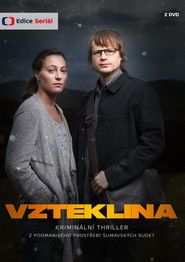
star 6.2Although Czech republic is country free of rabbies, some cases of infected animals appear near one of villages in Sumava region. Virologist Pavel Rogl, that is in his thirties, has task to inspect the situation, supervise the vaccination and find the source of infection. He is also charged to elaborate an expertise for team of police detectives, that are investigating mysterious double homicide. It is possible, that murders are connected to infection. Is it a human murderer, or big beast that escaped?Neophyte
2017
Neophyte
2017
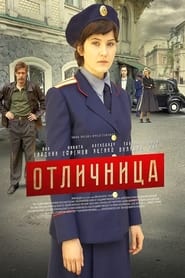
April 1958. Maria Krapivina, a graduate of the law faculty of Leningrad University, Department of criminal procedure and criminalistics, is assigned to the UGRO of the Central district police Department. Just a girl, an excellent student, the daughter of intelligent parents falls into a team consisting of rough and experienced operatives who have passed the war. On the first day, Masha wants to quit. But she gets her hands on information about a traitor in the Department associated with a large and audacious gang. Masha decides that it is her duty to stay and uncover the "mole". And also to prove that it is worth something. Everyone falls under suspicion, including the head of the Opera Department of the Swedes ,the "uncouth lout", with whom Masha unexpectedly falls in love, and every day more and more..Anna Holt
1996
The Left Wing Gang
2009
The Left Wing Gang
2009
star 8In 1989, seven radical left-wing activists were charged of being behind a series of the most professional robberies in the history of Denmark. The many millions stolen in the gang's activities were transferred to the terror organization PFLP with the aim of supporting anti-Israeli Palestinians. The assumed leader of the gang, Jan Weimann, never revealed his double life to his wife or friends, and police superintendent Jørn Moos, who was in charge of the investigation, staked his career to catch the gang members.Slasher: Flesh & Blood
2021
A wealthy but dysfunctional family gathers for a reunion on a secluded island. Their old wounds and competitive rivalries flare up when the family realizes a masked killer is on the island, intent on cruelly picking them off one by one.Interpol
1963