Popular Documentary TV Series - Page 23
All Services
Free Services
 Netflix
 Amazon Prime Video
 Apple iTunes
 Apple TV Plus
 Disney Plus
 Google Play Movies
 Paramount Plus
 Hulu
Hulu
 HBO Max
 YouTube
 fuboTV
 Peacock
 Peacock Premium
 Amazon Video
 The Roku Channel
 AMC+
AMC on Demand
AMC+
AMC on Demand
 Kocowa
 Hoopla
 The CW
 Vudu
Vudu
 Starz
Starz
 Showtime
 PBS
PBS
 Pantaflix
 FXNow
FXNow
 Tubi TV
 Kanopy
 Comedy Central
 Crunchyroll
 Microsoft Store
 Redbox
 Sun Nxt
 ABC
ABC
 DIRECTV
 Crackle
 Fandor
 Plex
Plex
Netflix
Amazon Prime Video
Apple iTunes
Apple TV Plus
Disney Plus
Google Play Movies
Paramount Plus
Hulu
HBO Max
YouTube
fuboTV
Peacock
Peacock Premium
Amazon Video
The Roku Channel
AMC+
AMC on Demand
Kocowa
Hoopla
The CW
Vudu
Starz
Showtime
PBS
Pantaflix
FXNow
Tubi TV
Kanopy
Comedy Central
Crunchyroll
Microsoft Store
Redbox
Sun Nxt
ABC
DIRECTV
Crackle
Fandor
Plex

Extra History
2013
Extra History
2013
Videos of an educational YouTube channel made up of entertainment enthusiasts with backgrounds in game design, television production, literature and academia. The team creates short-form animated video essays every week about world history.Survivorman
2005
Survivorman
2005
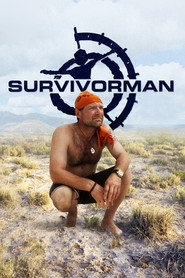
star 7.8In this harrowing reality series, “Survivorman” Les Stroud travels to far-flung locales with little more than the clothes on his back and 50 pounds of camera equipment to battle - and try to survive - insanely harsh conditions.Deep Space
2016
Deep Space
2016
star 7.4From the moment the real space race began, it was enshrouded with secrecy and disinformation. Now reports of extraterrestrial beings on Earth, suppressed advanced technologies and expansive government cover-ups are making their way into mass consciousness. But we have all been denied the whole story by those who would benefit from our continuing ignorance. What has been hidden will become evident as the pieces of this intricate puzzle are finally put together. Gaia brings together the best minds in their fields to shed new light on an extremely controversial subject which can no longer remain hidden or denied. It is up to you to evaluate the evidence and decide where you stand on the question of humanity's presence in Deep Space.The Angry Video Game Nerd
2004
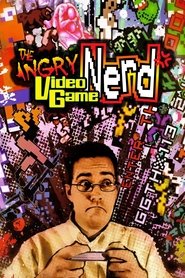
star 7.5The Angry Video Game Nerd is an adult web television series of comedic retrogaming video reviews created by and starring James Rolfe. The show's format revolves around his commentary and review of older, but unsuccessful video games which are deemed to be of particularly low-quality, unfair difficulty or poor design. The series began as a feature on YouTube and later became a program on ScrewAttack Entertainment before moving to GameTrailers exclusively. The show was renamed The Angry Video Game Nerd to prevent any trademark issues with Nintendo and due to the fact he started reviewing games from non-Nintendo consoles such as those made by Atari and Sega. Rolfe's character, "The Nerd" is a short-tempered and foul-mouthed video game fanatic. He derives comic appeal from excessive and inventive use of anger, profanity, and habitual consumption of alcohol while reviewing video games.Globe Trekker
1994
Globe Trekker
1994
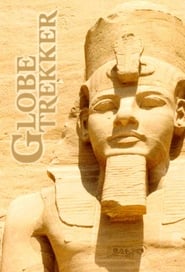
star 8.3Globe Trekker is an adventure tourism television series produced by Pilot Productions. The British series was inspired by the Lonely Planet travelbooks and began airing in 1994. Globe Trekker is broadcast in over 40 countries across six continents. Each episode features a host, called a traveller, who travels with a camera crew to a country—often, a relatively exotic locale—and experiences the sights, sounds, and culture that the location has to offer. Special episodes feature in-depth city, beach, dive, shopping, history, festival, and food guides. The show often goes far beyond popular tourist destinations in order to give viewers a more authentic look at local culture. Presenters usually participate in different aspects of regional life, such as attending a traditional wedding or visiting a mining community. They address the viewer directly, acting as tourists-turned-tour guides, but are also filmed interacting with locals and discovering interesting locations in unrehearsed sequences. Globe TrekkeFor Heaven's Sake
2002
For Heaven's Sake
2002
star 7.7Sister Hanna is a spirited, witty, resolute, warm-hearted, and - attractive nun. With her wit and street cred, she takes charge of Kaltenthal Cloister, transforming it into a popular refuge for all those seeking help of one kind or another. She also brings new life to the sleepy provincial community, proving herself quite a match for her great rival and opponent, the mayor Wolfgang Wöller.Hierzuland
2012
Hierzuland
2012
Reto 4 Elementos
2018
Reto 4 Elementos
2018
star 6.832 participants, divided into 8 teams, made up of two men and two women face air, water, earth and fire tests.Enquête
2007
Enquête
2007
star 8A weekly Canadian television newsmagazine series. The show is anchored by Alain Gravel, and includes contributions from journalists Hélène Courchesne, Josée Dupuis, Sylvie Fournier, Guy Gendron, Normand Grondin, Solveig Miller, Madeleine Roy, Françoise Stanton, Pascale Turbide and Julie Vaillancourt.Gardeners' World
1968
Gardeners' World
1968
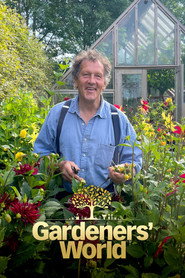
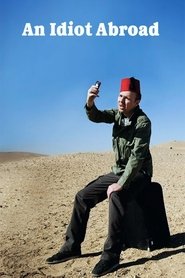
star 8.2Gardeners' World is a long-running BBC Television programme about gardening, first broadcast in 1968 and still running as of 2013. Its first episode was presented by Ken Burras and came from Oxford Botanical Gardens. The magazine BBC Gardeners' World is a tie-in to the programme. Most of its episodes have been 30 minutes in length, although there are many specials that last longer. The 2008 and 2009 series used a 60-minute format.An Idiot Abroad
2010
An Idiot Abroad
2010
star 7.7An Idiot Abroad is a British travel documentary television series broadcast on Sky1 and Science, as well as spin-off books published by Canongate Books, created by Ricky Gervais and Stephen Merchant and starring Karl Pilkington. The ongoing theme of both the television series and the books is that Pilkington has no interest in global travel, so Merchant and Gervais make him travel while they stay in the United Kingdom and monitor his progress.3 on Tour
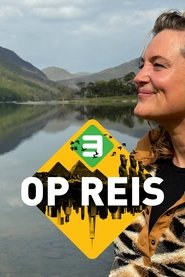
2007
3 on Tour
2007
3 op Reis is a travel program hosted by Floortje Dessing and Sebastiaan Labrie. In addition to the fixed hosts there is a guest host, who explores an eco-destination.Without Walls
1990
Without Walls
1990
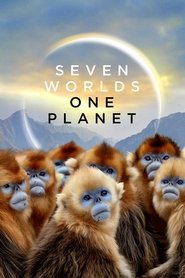
star 8A weekly arts-based documentary series covering a diverse variety of subjects, everything from Roman orgies and the Elgin Marbles through The Yardbirds and Ike Turner to Aleister Crowley and Mother Teresa.Seven Worlds, One Planet
2019
star 8.5Millions of years ago, incredible forces ripped apart the Earth’s crust creating seven extraordinary continents. This documentary series reveals how each distinct continent has shaped the unique animal life found there.PBS Space Time
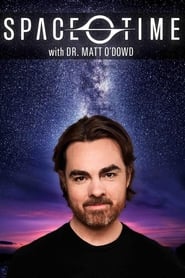
2015
PBS Space Time
2015
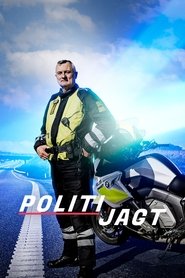
star 10Space Time explores the outer reaches of space, the craziness of astrophysics, the possibilities of sci-fi, and anything else you can think of beyond Planet Earth.Politijagt
2009
Grand Designs
1999
Grand Designs
1999
star 7.1British television series which features unusual and often elaborate architectural homebuilding projects.Ça vaut le coût
2014
Ça vaut le coût
2014
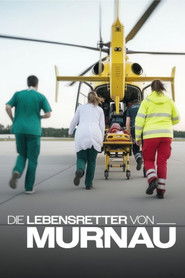
star 6In-depth reports, test benches, buying guides, decoding of trends, news briefs and informative capsules. All done by a team of seasoned reporters on the lookout for consumer issues, both big and small.The Lifesavers of Murnau
2025
High tension in the Alpine foothills: real emergencies, tough decisions, strong stories. „The Lifesavers of Murnau“ shows medicine where it counts – told directly, closely and intensely. The series that follows the daily work of emergency physicians, nurses, and rescue teams at BG Unfallklinik Murnau, one of Germany’s leading trauma hospitals located in the Bavarian Alps. Showing real emergency cases — from rescue operations in the mountains and severe traffic accidents to intensive care treatments, complex surgeries, and rehabilitation. With close-up footage from bodycams, drones, and cameras inside the trauma room, viewers experience how the medical teams handle life-threatening situations with precision and compassion.