Popular Documentary TV Series - Page 440
All Services
Free Services
 Netflix
 Amazon Prime Video
 Apple iTunes
 Apple TV Plus
 Disney Plus
 Google Play Movies
 Paramount Plus
 Hulu
Hulu
 HBO Max
 YouTube
 fuboTV
 Peacock
 Peacock Premium
 Amazon Video
 The Roku Channel
 AMC+
AMC on Demand
AMC+
AMC on Demand
 Kocowa
 Hoopla
 The CW
 Vudu
Vudu
 Starz
Starz
 Showtime
 PBS
PBS
 Pantaflix
 FXNow
FXNow
 Tubi TV
 Kanopy
 Comedy Central
 Crunchyroll
 Microsoft Store
 Redbox
 Sun Nxt
 ABC
ABC
 DIRECTV
 Crackle
 Fandor
 Plex
Plex
Netflix
Amazon Prime Video
Apple iTunes
Apple TV Plus
Disney Plus
Google Play Movies
Paramount Plus
Hulu
HBO Max
YouTube
fuboTV
Peacock
Peacock Premium
Amazon Video
The Roku Channel
AMC+
AMC on Demand
Kocowa
Hoopla
The CW
Vudu
Starz
Showtime
PBS
Pantaflix
FXNow
Tubi TV
Kanopy
Comedy Central
Crunchyroll
Microsoft Store
Redbox
Sun Nxt
ABC
DIRECTV
Crackle
Fandor
Plex

Freaky Eaters
2007
Freaky Eaters
2007
Freaky Eaters is an observational British documentary series produced by independent television production company betty for BBC Three. Series 1 was narrated by the actress Jill Halfpenny and series 2 by Sharon Horgan. In Australia it is shown on ABC2 and titled Eataholics.我的青春在丝路
2018
我的青春在丝路
2018
Myth & Mogul: John DeLorean
2021
star 6.4In the automotive world, John DeLorean rose from engineer to executive to icon. But under the hood of his self-created legend lies darkness and deceit.Building Big
2000
Building Big
2000
star 9Think big! Engineers have been doing just that for thousands of years, as renowned author-illustrator David Macaulay proves in this five-part miniseries on spectacular structures. The programs cover bridges, domes, skyscrapers, dams, and tunnels-past and present. Along the way, Macaulay highlights the engineering principles and human stories behind some of the most remarkable achievements in the history of building.Off Limits
2011
Off Limits
2011
star 8Off Limits is an American reality television series that premiered on May 16, 2011, on the Travel Channel. The series features "untold stories and secrets" of America's most iconic cities as host Don Wildman ventures and sometimes trespasses through unexplored areas where not many people have dared to go before. First season episodes aired every Monday at 9 PM EST. The second season premiered on Tuesday April 17, 2012 at 10 PM EST. For the remainder of the season, one episode aired on a Thursday at 8 PM EST while the last few episodes were burned off on Sundays at 9 AM EST. The third season premiered on Tuesday June 4, 2013 at 10 PM EST.How Low Can You Go?
0000
How Low Can You Go?
0000
star 8.5How Low Can You Go? is an RTÉ comedy travel television programme which runs on RTÉ Two. It involves actors, Michael Hayes, Bazil Ashmawy, and Mark O'Neill visiting various cities and attempting to find the lowest cost to get to and stay in a number of different cities. The Irish Independent described the programme as being "like a cross between Wish You Were Here and Jackass."Food Exposed with Nelufar Hedayat
2018
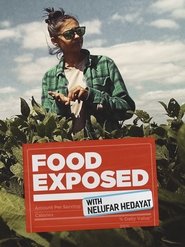
Hosted by award-winning journalist Nelufar Hedayat, the eye-opening series examines how our appetites shape our world, investigating the global food chain and the origins of our favorite ingredients.72 Dangerous Animals: Latin America
2017
star 6.8Powerful cats, indestructible arachnids and flesh-melting pit vipers are just the beginning in this series about Latin America's deadliest creatures.Tony Robinson Explores Australia
2011
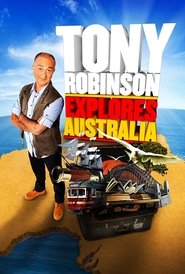
Tony Robinson of Time Team fame, takes us on a journey through time and places across Australia, offering a revealing and unique perspective on Australian society and history. In this 6 part series Tony introduces us to locations where deeds great and grotesque, heralded and hidden took place. There will be surprising stories of conflicts, hardship, notoriety and discovery as Tony brings fascinating new insights into the impact the British have had on Australian life. The series will roughly follow a chronology: from the earliest sightings of Terra Australis Incognita through to today. Each era will be defined by a theme (rather than equal blocks of time). The characters who left their fingerprints on Australia’s formative years were predominantly English and Irish.Becoming Champions
2018
Becoming Champions
2018
star 5.8This series looks at the stories behind the athletes and countries that have achieved World Cup champion status.Escobar by Escobar
2021
Escobar by Escobar
2021
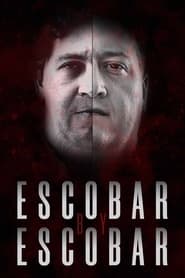
star 5.9The true story of Colombian drug lord Pablo Escobar through the eyes of his son, Juan Pablo, whose life changed astronomically the day his father died.The History of the RAF
2015
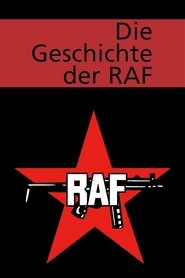
star 8In 2014, Germany television network ZDF commissioned a comprehensive TV documentary on the history of the Red Army Faction (RAF). In six 45-minute parts, the series describes the origins, rise, and fall of the terrorist organization "Red Army Faction." Interviewees include Winfried Ridder, former head of department at the Federal Office for the Protection of the Constitution; Rainer Hofmeyer, former head of department at the Federal Criminal Police Office; and political scientist Dr. Wolfgang Kraushaar.In the Americas
2012
In the Americas
2012
A travelogue that explores the landscapes, people and histories of North and South America.Among the Stars
2021
Among the Stars
2021
star 7.1A six-part docuseries with fly on the wall access into the wider world of NASA, with cameras on Earth and in space. NASA astronaut Captain Chris Cassidy is on a quest to get back in his spacesuit for one last mission. This series follows Chris and the wider team who take on missions that risk life, limb and reputation for the greater good of humankind. Join them as their missions unfold.Time Commanders
2003
Time Commanders
2003
star 8.3Contest in which teams fight each other in virtual reruns of the world's greatest battles.De forsvundne fædre
2021
De forsvundne fædre
2021
The Cameron Years
2019
The Cameron Years
2019
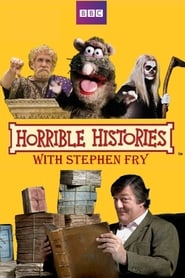
Drawing on an exclusive interview with David Cameron, this series explores his leadership, the events that led to the EU referendum and his impact on our political landscape.Horrible Histories with Stephen Fry
2011
Horrible Histories with Stephen Fry was a re-version of Horrible Histories. Broadcast from 19 June 2011 to 31 July 2011, the program featured a compilation of sketches from the first two seasons of the parent show with Stephen Fry replacing Rattus Rattus as host, presenting "added insight and historical nuggets". The spin-off consists of his "hand pick[ed] funniest moments" from the two then-aired series. Holy Moly describes the series as "a re-hash of all the best sketches and japes from the previous two series, presented by Stephen Fry, who pops up every few minutes to explain and elucidate historical facts." "Horrible Histories has been a hideously gruesome and gory success for CBBC and we are delighted to welcome it to BBC One", said Cassian Harrison, Commissioning Executive, History and Business, Science and Natural History. This version of the show came out just before the British Comedy Awards, when the show was still classified as strictly a children's show. After the awards show, when it had won the award