Popular War TV Series - Page 469
All Services
Free Services
 Netflix
 Amazon Prime Video
 Apple iTunes
 Apple TV Plus
 Disney Plus
 Google Play Movies
 Paramount Plus
 Hulu
Hulu
 HBO Max
 YouTube
 fuboTV
 Peacock
 Peacock Premium
 Amazon Video
 The Roku Channel
 AMC+
AMC on Demand
AMC+
AMC on Demand
 Kocowa
 Hoopla
 The CW
 Vudu
Vudu
 Starz
Starz
 Showtime
 PBS
PBS
 Pantaflix
 FXNow
FXNow
 Tubi TV
 Kanopy
 Comedy Central
 Crunchyroll
 Microsoft Store
 Redbox
 Sun Nxt
 ABC
ABC
 DIRECTV
 Crackle
 Fandor
 Plex
Plex
Netflix
Amazon Prime Video
Apple iTunes
Apple TV Plus
Disney Plus
Google Play Movies
Paramount Plus
Hulu
HBO Max
YouTube
fuboTV
Peacock
Peacock Premium
Amazon Video
The Roku Channel
AMC+
AMC on Demand
Kocowa
Hoopla
The CW
Vudu
Starz
Showtime
PBS
Pantaflix
FXNow
Tubi TV
Kanopy
Comedy Central
Crunchyroll
Microsoft Store
Redbox
Sun Nxt
ABC
DIRECTV
Crackle
Fandor
Plex

Witness to a Prosecution
1999
star 8.3Witness to a Prosecution is a Hong Kong television series produced by TVB. The original broadcast was on the TVB Jade network with 45-minute episodes airing five days a week from 20 December 1999 to 16 January 2000. The drama stars Bobby Au-yeung as the famous historical forensic medical expert Song Ci. Set during the Southern Song Dynasty of Mid-Imperial China, Witness to a Prosecution tells a fictionalised account of Chee's modest beginnings and the events leading to the creation of his book Collected Cases of Injustice Rectified, the world's earliest documentation of forensic science.Outlaws
1960
Outlaws
1960
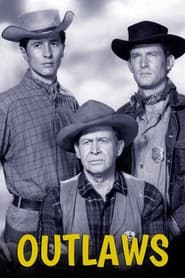
star 6.7Outlaws is an NBC Western television series, starring Barton MacLane as U.S. marshal Frank Caine, who operated in a lawless section of Oklahoma Territory about Stillwater. The program aired 50 one-hour episodes from September 29, 1960, to May 10, 1962. The first season was shot in black-and-white, the second in color. Co-starring with MacLane in the 1960–1961 season was Don Collier as deputy marshal Will Foreman. In the second season, MacLane left the program, and Collier was promoted to full marshal, with Bruce Yarnell joining the cast as deputy marshal Chalk Breeson. Jock Gaynor appeared in the first season as deputy Heck Martin, the on-screen nephew of Will Foreman. Slim Pickens appeared as "Slim" in the second season. Judy Lewis also appeared the second season as Connie Masters, an employee of the Wells Fargo office in Stillwater. The dog who appeared in Walt Disney's Old Yeller was also cast in The Outlaws. Others who appeared on the program on at least three occasions were Vic Morrow, Cliff Robertson,Кулагины
2021
Кулагины
2021
巴布工程师(中央少儿频道)
1999
巴布工程师(中央少儿频道)
1999
American Gladiators
1988
American Gladiators
1988
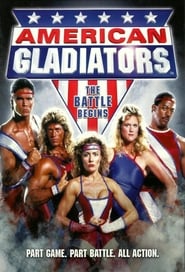
star 5.8American Gladiators is an American competition television program that aired weekly in syndication from September 1989 to May 1996. The series matched a cast of amateur athletes against each other, as well as against the show's own gladiators, in contests of strength and agility. The concept was created by Dan Carr and John C. Ferraro, who held the original competition at Erie Tech High School in Erie, Pennsylvania. They sold the show to The Samuel Goldwyn Company where the concept was enhanced and became American Gladiators. An effort in 2004 to launch a live American Gladiators show on the Las Vegas Strip became mired in a securities fraud prosecution. However, the television series was restarted in 2008. Episodes from the original series were played on ESPN Classic from 2007 to 2009. Several episodes are available for download on Apple's iTunes Service.长城内外
2015
长城内外
2015
Estrela de Fogo
1998
Cero en conducta
1999
Cero en conducta
1999
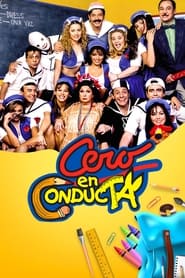
star 8.2Jorgito is a rebellious and insolent student who doesn't mince words when it comes to making fun of his teachers. Maestra Canuta and Director Rigoberto Patiño are the butt of all his jokes and they do not hesitate to give him severe punishments when they realize that Jorgito's sharp tongue is attacking them. This comedy program shows a group of irreverent students who, through their jokes, make fun of the current political and social situation in Mexico. Nobody is saved from the ridicule and the occurrences of these kids who, behind their harmless appearance, hide sharp criticism and double meaning jokes.Gintama
2006
Gintama
2006
star 8.1In a world where aliens have invaded Edo Period Japan, skyscrapers, trains and motor bikes have replaced the simple life of Earth inhabitants. One man however, still carries the soul of a samurai, Gintoki Sakata, otherwise known as Yorozuya Gin-san. As reckless as he is, Gintoki carries his own resolve and is ready to take on any challenge with his fellow companions.Planet Robot Danguard Ace
1977
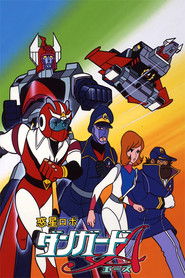
star 6.8Planet Robo Danguard Ace is a Japanese science fiction anime series created by Leiji Matsumoto with Dan Kobayashi. It was licensed by Jim Terry Productions as part of the Force Five promotion as simply "Danguard Ace". English dialog was written for re-dubbing by Lynn Garrison who then combined a number of episodes into a feature length presentation which gained a cult following on the Showtime network during the eighties. The titular robot also appeared in Marvel Comics' Shogun Warriors series, as well as the toy line of the same name. In 2009, William Winckler Productions produced three all new English dubbed movie versions edited from the original series. Producer William Winckler, known for Tekkaman the Space Knight, wrote, produced and directed the English films, which are seen on broadband in Japan. Dangard Ace is Matsumoto's only contribution to the giant robot genre.The Snoopy Show
2021
The Snoopy Show
2021
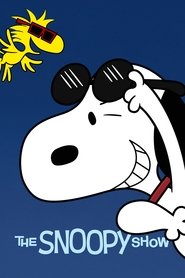
star 7.8The world's most iconic dog is ready for his close-up. Dive into new adventures with the happy-dancing, high-flying, big-dreaming beagle, who's joined by best friend Woodstock and the rest of the Peanuts gang.The Good and the Bad News
2012
star 6The Good and the Bad News is a Finnish comedy panel game television show airing on channel Nelonen on Wednesday evenings.Kanıt
2010
Kanıt
2010
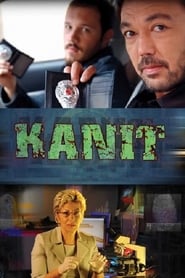
star 8Each episode, police inspectors Orhan and Selim try and solve puzzling cases with the help and guidance of forensics. Professor Sevil Atasoy, a forensic scientist, also joins us sometimes to tell relevant anecdotes.Lessons in Chemistry
2023
Lessons in Chemistry
2023
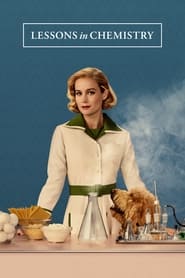
star 8.2In the 1950s, Elizabeth Zott's dream of being a scientist is challenged by a society that says women belong in the domestic sphere. She accepts a job on a TV cooking show and sets out to teach a nation of overlooked housewives way more than recipes.Harry & Meghan
2022
Harry & Meghan
2022
star 5.8From their courtship to their exit from royal life, Harry and Meghan share their complex journey in their own words in this docuseries.Der Bachelor
2003
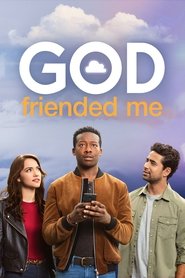
God Friended Me
2018
God Friended Me
2018
star 7.7A self-proclaimed "pesky atheist" is encouraged to help strangers by someone claiming to be God who friends him on Facebook.Doctor Slump
2024
Doctor Slump
2024
star 8.1Once rivals in school, two brilliant doctors reunite by chance — each facing life’s worst slump and unexpectedly finding solace in each other.CHUANG ASIA: THAILAND
2024
star 6CHUANG ASIA is an idol survival show that combines singing-dancing competitions for young talents and this chapter will be held in Thailand. The show will bring together exceptional young individuals from across the continents, offering them a stage for cultural exchange and collaboration. By showcasing the diverse spirit and identity of these young people.Drops of God
2023
Drops of God
2023
star 7.6While the world of wine mourns the death of Alexandre Léger, his estranged daughter, Camille, learns his extraordinary collection is now hers. But before she can claim her inheritance, Camille must best Alexandre's protégé, Issei, in a test of their senses.