Popular Documentary TV Series on Pantaflix - Page 158
All Services
Free Services
 Netflix
 Amazon Prime Video
 Apple iTunes
 Apple TV Plus
 Disney Plus
 Google Play Movies
 Paramount Plus
 Hulu
Hulu
 HBO Max
 YouTube
 fuboTV
 Peacock
 Peacock Premium
 Amazon Video
 The Roku Channel
 AMC+
AMC on Demand
AMC+
AMC on Demand
 Kocowa
 Hoopla
 The CW
 Vudu
Vudu
 Starz
Starz
 Showtime
 PBS
PBS
 Pantaflix
 FXNow
FXNow
 Tubi TV
 Kanopy
 Comedy Central
 Crunchyroll
 Microsoft Store
 Redbox
 Sun Nxt
 ABC
ABC
 DIRECTV
 Crackle
 Fandor
 Plex
Plex
Netflix
Amazon Prime Video
Apple iTunes
Apple TV Plus
Disney Plus
Google Play Movies
Paramount Plus
Hulu
HBO Max
YouTube
fuboTV
Peacock
Peacock Premium
Amazon Video
The Roku Channel
AMC+
AMC on Demand
Kocowa
Hoopla
The CW
Vudu
Starz
Showtime
PBS
Pantaflix
FXNow
Tubi TV
Kanopy
Comedy Central
Crunchyroll
Microsoft Store
Redbox
Sun Nxt
ABC
DIRECTV
Crackle
Fandor
Plex

Killing Grounds: The Gilgo Beach Murders
2026
star 6.8When a woman vanishes, police find bodies along Long Island's shore. Years of dead ends and overlooked victims stall the case until a new task force spots a suspect hiding in plain sight. With trial looming, insiders and families speak.Voir
2021
Voir
2021
star 6.5Film lovers examine the cinematic moments that thrilled, perplexed, challenged and forever changed them in this collection of visual essays.La pelle del mondo
2026
30 Days
2005
30 Days
2005
star 7.430 Days is a reality television show on the FX cable network in the United States, created and hosted by Morgan Spurlock. In each episode, Spurlock, or some other person or group of people, spend 30 days immersing themselves in a particular lifestyle with which they are unfamiliar, while discussing related social issues. As in Spurlock's film, Super Size Me, there are a number of rules unique to each situation which must be followed during each such experiment. At least one episode each season has featured Spurlock as the person spending the month in the particular lifestyle. Season one premiered on June 15, 2005, and its respective DVD set was released July 11, 2006. The second season premiered on July 26, 2006. Season 3 of 30 Days premiered on June 3, 2008. FX said on November 6 that it would not be renewing the series for a fourth season, effectively canceling the show. The show has recently been picked up for re-air by Planet Green, though no new episodes have been ordered. In the United Kingdom, the programJeremy Clarkson: Meets the Neighbours
2002
Jeremy Clarkson: Meets the Neighbours was a television series presented by Jeremy Clarkson and during the course of the series, he drives a 1960s Jaguar E-Type. The show was first shown during May and June 2002 on BBC Two. Over the series, Clarkson visited five European countries to discover just how different their lifestyles are to those in Britain. The show was produced by BBC Birmingham and executively produced by Richard Pearson. Meet The Neighbours was the second of two series involving Clarkson which were filmed during his hiatus from Top Gear, and his fifth documentary series for the BBC, following Motorworld, Extreme Machines, Car Years and Speed. The show was first shown on UK television channel BBC Two, before being shown to an international audience on BBC World. As of 2008, it has regularly been repeated on various UKTV channels, most recently being Dave, however, nearly 15 minutes of footage has been cut from each episode to allow for adverts within the sixty-minute slot. 30-minute versions of each epLa route de la soif
2018
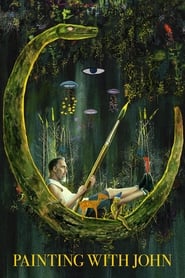
Painting With John
2021
Painting With John
2021
star 7.6Part meditative tutorial, part fireside chat, each episode finds artist John Lurie ensconced at his worktable, where he hones his intricate watercolor techniques and shares his reflections on what he’s learned about life.First Life
2010
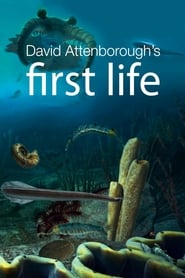
First Life
2010
star 7.2Sir David Attenborough goes back in time to the roots of the tree of life, in search of the very first animals, telling their story with stunning photography, state of the art visual effects and the captivating charm of the world’s favorite naturalist.David Suchet: In the Footsteps of St Peter
2015
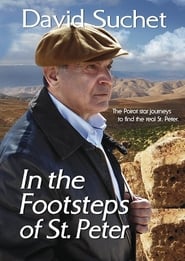
star 7.5Actor David Suchet goes in search of one of the most puzzling characters in history - the man we know today as Saint Peter.Les complices
2019
Les complices
2019
VICE Terror
2016
VICE Terror
2016
Suroosh Alvi investigates the global jihadi movement: traveling to some of the most volatile countries, he speaks to victims, activists, government officials and fighters on both sides of the War on Terror to discover the line between isn't always clear.Morlock Motors - Big Deals im Westerwald
2024
star 7Boss Michael Manousakis and his team buy, restore, and trade rare vehicles and military equipment worldwide, turning their massive German base into a hub of high-stakes deals and adventure.Celebrity Rebrand
2022
Celebrity Rebrand
2022
Chaotic celebrity interview series hosted by Amelia Dimoldenberg, who attempts to give some of Channel 4's biggest stars the rebrand they don't need.Heimatlexikon
2011
Heimatlexikon
2011
Absolutely Canadian
0000
Absolutely Canadian
0000
Absolutely Canadian is a Canadian television series, which airs weekdays on CBC Newsworld, CBC Television and CBC Country Canada. A news and information series about Canadian communities, the show is anchored each week from a different Canadian city.House of Hammer
2022
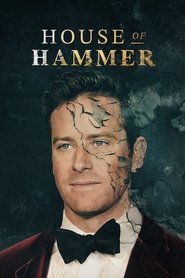
House of Hammer
2022
star 6.7A shocking Hollywood scandal rips open the Hammer family's perfect façade. From rape allegations against Armie Hammer to years of deceit at the hands of his great-grandfather, the family's dark secrets finally come to light.Destination Flavour
2012
Destination Flavour
2012
Hosts Adam Liaw, Renee Lim and Lily Serna embark on a road trip around Australia and meet passionate growers, celebrated chefs and local food heroes. Every episode features a batch of inspiring recipes, reflecting the seasons, the regions and the diversity of Australia's wonderful food culture.Equinox
1986
Equinox
1986
star 6.7Equinox was a long-running Channel 4 popular science and documentary programme. The series ran from 1986 to 2001, originally aired on a weekly basis. The number of films per series fell over the years, from eighteen one-hour films a year originally to twelve by the late 1990s. The last regular series was shown in 2001, with six films. One-off films have occasionally been aired under the title "Equinox Special".Investigação Criminal
2012
star 7.9Nesta série de documentários, reviva as investigações dos crimes mais chocantes do Brasil: os casos Nardoni, Richthofen, Maníaco do Parque e outros.