Popular Documentary TV Series on Pantaflix - Page 267
All Services
Free Services
 Netflix
 Amazon Prime Video
 Apple iTunes
 Apple TV Plus
 Disney Plus
 Google Play Movies
 Paramount Plus
 Hulu
Hulu
 HBO Max
 YouTube
 fuboTV
 Peacock
 Peacock Premium
 Amazon Video
 The Roku Channel
 AMC+
AMC on Demand
AMC+
AMC on Demand
 Kocowa
 Hoopla
 The CW
 Vudu
Vudu
 Starz
Starz
 Showtime
 PBS
PBS
 Pantaflix
 FXNow
FXNow
 Tubi TV
 Kanopy
 Comedy Central
 Crunchyroll
 Microsoft Store
 Redbox
 Sun Nxt
 ABC
ABC
 DIRECTV
 Crackle
 Fandor
 Plex
Plex
Netflix
Amazon Prime Video
Apple iTunes
Apple TV Plus
Disney Plus
Google Play Movies
Paramount Plus
Hulu
HBO Max
YouTube
fuboTV
Peacock
Peacock Premium
Amazon Video
The Roku Channel
AMC+
AMC on Demand
Kocowa
Hoopla
The CW
Vudu
Starz
Showtime
PBS
Pantaflix
FXNow
Tubi TV
Kanopy
Comedy Central
Crunchyroll
Microsoft Store
Redbox
Sun Nxt
ABC
DIRECTV
Crackle
Fandor
Plex

Kill or Be Killed
2024
Kill or Be Killed
2024
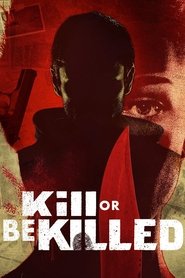
star 5"Kill or Be Killed" reveals the stories of those who lost their lives at the hands of someone they knew, who then claimed it was self-defense. In these complex cases, the lines between murder and justifiable homicide are blurred, making them some of the hardest cases to solve. When the killer is the best and sometimes only witness, investigators must scrutinize every other detail. Law enforcement, prosecutors and defense attorneys unravel every detail, from the harrowing stories, forensics, interrogations and witness statements that led up to the gruesome event in order to find answers.The Incredible Human Journey
2009
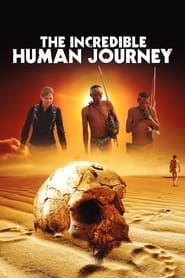
star 7.7There are seven billion humans on Earth, spread across the whole planet. Scientific evidence suggests that most of us can trace our origins to one tiny group of people who left Africa around 70,000 years ago. In this five-part series, Dr Alice Roberts follows the archaeological and genetic footprints of our ancient ancestors to find out how their journeys transformed our species into the humans we are today, and how Homo Sapiens came to dominate the planet.Echtes Leben
1998
Echtes Leben
1998
Hitler Youth
2018
Hitler Youth
2018
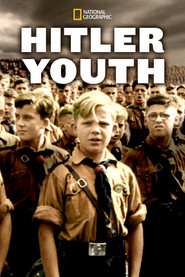
star 6.4In 1930s Germany, the Nazi Party created the Hitler Youth to indoctrinate children and adolescents with Nazi ideology and prepare them to become a child army for Hitler. The first programme traces the rise of the movement through to the war. The second programme starts at the height of WW2 and traces the story of the Hitler Youth as they face defeat.Best Shape of My Life
2021
star 4.4Will Smith teams up with guests and undergoes a fitness challenge.Garde côtière
2024
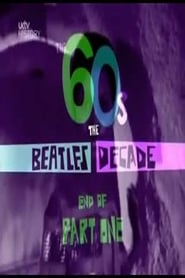
The 60s: The Beatles Decade
2008
When people are asked to think about the 1960s, they automatically think love, peace and...The Beatles. Over the decade, the Fab Four changed from cheeky pop mop-heads to blissed-out experimentalists, and this transformation mirrored the country as a whole. This five-part documentary series looks at how the world's most famous pop group personified one of the most explosive and volatile decades of the 20th century. Although the 60s generation had it all, a changing political landscape and changing attitudes to sex and relationships were dragging Britain into a new age. By the end of the decade, The Beatles had split up, proving that the band's personalities and their music had become true symbols of an iconic decade.À la tribune
2020
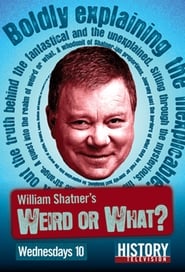
William Shatner's Weird or What?
2010
star 6.8Weird or What? is a series on the Discovery Channel and History hosted by William Shatner. Each episode contains three separate stories of the bizarre and unexplained. As the show unfolds, it weighs various supernatural and scientific theories that attempt to explain the story, and sometimes features tests conducted as proof of a theory's plausibility. The show features strange occurrences such as ghosts, aliens, monsters, medical oddities and natural disasters.Lerins lärlingar
2018
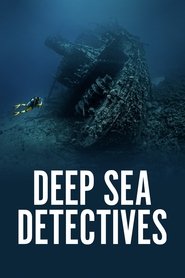
Deep Sea Detectives
2003
Deep Sea Detectives
2003
star 7.8Deep Sea Detectives was a television show on The History Channel. The show began airing in 2003. In a post dated September 1, 2006 on the Deep Sea Detectives' message board, series producer Kirk Wolfinger stated that the show would not be renewed for another season.Huguenot Refugees
2019
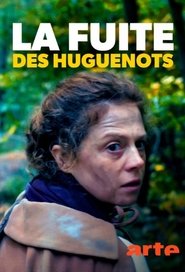
Huguenot Refugees
2019
star 6French King Louis XIV revoked the Edict of Nantes in 1685, a document that had protected the rights of French protestants for almost one hundred years. The decision led to a mass exodus of French Protestants with many going to Prussia.A History of Horror
2010
A History of Horror
2010
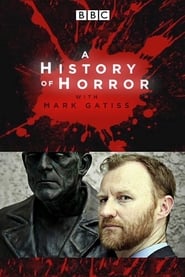
star 7.1Mark Gatiss examines the history of the horror film, from classic Hollywood monsters to Hammer's glory days and beyond.Pampers TV
2004
Pampers TV
2004
The Death of Yugoslavia
1995
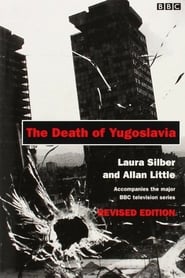
star 7.3The Death of Yugoslavia is a BAFTA-award winning BBC documentary series first broadcast in 1995. It covers the collapse of the former Yugoslavia. It is notable in its combination of never-before-seen archive footage interspersed with interviews of most of the main players in the conflict, including Slobodan Milošević, the then President of Serbia. Norma Percy won the 1996 BAFTA TV Award for 'Best Factual Series' for the documentary. However, it has been argued that it presents a potentially slightly biased point-of-view; for instance during the trial of Milošević before the ICTY in The Hague, Judge Bonomy called the nature of much of the commentary "tendentious" (partisan).Sodankylä Forever
2010
Sodankylä Forever
2010
star 6.4The Midnight Sun Film Festival is held every June in the Finnish village of Sodankylä beyond the arctic circle — where the sun never sets. Founded by Aki and Mika Kaurismäki along with Anssi Mänttäri and Peter von Bagh in 1985, the festival has played host to an international who’s who of directors and each day begins with a two-hour discussion. To mark the festival’s silver anniversary, festival director Peter von Bagh edited together highlights from these dialogues to create an epic four-part choral history of cinema drawn from the anecdotes, insights, and wisdom of his all-star cast: Coppola, Fuller, Forman, Chabrol, Corman, Demy, Kieslowski, Kiarostami, Varda, Oliveira, Erice, Rouch, Gilliam, Jancso — and 64 more. Ranging across innumerable topics (war, censorship, movie stars, formative influences, America, neorealism) these voices, many now passed away, engage in a personal dialogue across the years that’s by turns charming, profound, hilarious and moving.The Story of The Netherlands
2022
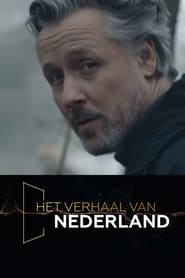
star 8.2The Story of the Netherlands tells the story of the country we live in, from the moment the first inhabitants settled there. Never before has our history, and how it has made us who we are today, been made tangible in this way. The project consists of a 10-part television series for NPO 1, with Daan Schuurmans as narrator.The Manhattan Alien Abduction
2024
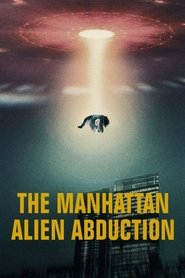
star 6.6A woman claims to have been abducted from her bedroom in Manhattan. This docuseries explores whether it was an elaborate hoax — or proof of alien life.Ce diable d'homme
1978
Ce diable d'homme
1978
This devil of a man plunges the viewer into the very heart of the Voltaire whirlwind, that incandescent mind who shook his century. The series follows his meteoric rise, his exiles, his battles and flashes of genius, in a Europe still tightly bound by absolutism. We discover an unbowed, charming, formidable man whose pen makes ministers, kings and fanatics tremble. Between glittering salons, damp prisons and passionate loves, Voltaire crosses the Age of Enlightenment like a meteor. Each episode reveals a confrontation, a flight, a victory wrested through the sheer force of intellect. Carried by elegant direction and a sweeping, novelistic energy, the series paints a vibrant portrait of a fighter for freedom. A journey into the life of a man who never stopped thinking, loving and provoking.