Popular Kids TV Series on Pantaflix - Page 215
All Services
Free Services
 Netflix
 Amazon Prime Video
 Apple iTunes
 Apple TV Plus
 Disney Plus
 Google Play Movies
 Paramount Plus
 Hulu
Hulu
 HBO Max
 YouTube
 fuboTV
 Peacock
 Peacock Premium
 Amazon Video
 The Roku Channel
 AMC+
AMC on Demand
AMC+
AMC on Demand
 Kocowa
 Hoopla
 The CW
 Vudu
Vudu
 Starz
Starz
 Showtime
 PBS
PBS
 Pantaflix
 FXNow
FXNow
 Tubi TV
 Kanopy
 Comedy Central
 Crunchyroll
 Microsoft Store
 Redbox
 Sun Nxt
 ABC
ABC
 DIRECTV
 Crackle
 Fandor
 Plex
Plex
Netflix
Amazon Prime Video
Apple iTunes
Apple TV Plus
Disney Plus
Google Play Movies
Paramount Plus
Hulu
HBO Max
YouTube
fuboTV
Peacock
Peacock Premium
Amazon Video
The Roku Channel
AMC+
AMC on Demand
Kocowa
Hoopla
The CW
Vudu
Starz
Showtime
PBS
Pantaflix
FXNow
Tubi TV
Kanopy
Comedy Central
Crunchyroll
Microsoft Store
Redbox
Sun Nxt
ABC
DIRECTV
Crackle
Fandor
Plex

魔幻陀螺
2021
魔幻陀螺
2021
Muppet Babies: Play Date
2019
star 5.5The Muppet Babies return to the playroom but are re-imagined in Live Action! Join in the fun when friends come over for playdates with the Muppet Babies.兜兜一家人
2023
兜兜一家人
2023
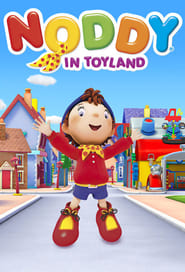
Noddy in Toyland
2009
Noddy in Toyland
2009
star 10Noddy is a little wooden man who lives in his own little House-for-One in Toyland. Noddy loves driving his friends around Toytown in his little red and yellow taxi. Noddy's best friends are Big Ears, Tessie Bear, Bumpy Dog and the Tubby Bears.Amalka the Fairy
1975
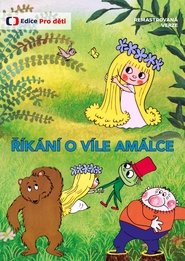
Amalka the Fairy
1975
star 7Amalka is a forest nymph: "A mist formed in the forest clearing, the wind blew, and suddenly a girl appeared, who decided to call herself víla Amálka."De Freek Tapes
2025
De Freek Tapes
2025
Freek Vonk finds a box of old video tapes in the attic. They are the first short nature films, which he made earlier with his friends Maysem and Bas. The young Freek and his friends discover that they can learn a lot from animals. About nature, but also about themselves.내일은 언제나 푸름
2016
내일은 언제나 푸름
2016
变形警车珀利交通安全篇
2013
变形警车珀利交通安全篇
2013
新编蓝猫淘气3000问
0000
新编蓝猫淘气3000问
0000
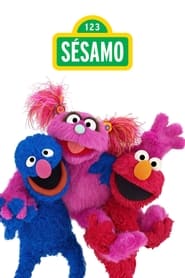
Sesame
2016
Sesame
2016
star 10Sésamo is the second Brazilian version based on the famous North American series Sesame Street (1969–). This time, the series does not feature Garibaldo (Big Bird), the large yellow bird. However, we are reunited with the beloved characters Grover (André Milano), Come-Come (Cookie Monster, played by Paulo Henrique Santos), Bel (Thais Carvalho), Elmo (Kelly Guidotti), and Abby (Marilice Cosenza). As in the previous version, the show presents the puppets in their fun adventures, teaching the audience about various subjects in a creative way and following the daily life in the bustling villageInui - Abenteuer am Nordpol
2016
Inui is a little Inuit girl who lives somewhere in the Arctic Circle and has adventures with her animal friends, including Crackpot the Caribou, Grouchy the Polar Bear, and Lady Penguin.Birds
2024
Birds
2024
Kid Songs (2005)
0000
Kid Songs (2005)
0000
Behtarin Show
2018
Way Cool
1991
Way Cool
1991
star 10A short-lived weekly series for pre-teens(ages 9-12) using comedy sketches to explore friendship, family, communication, and other issues.