Popular Kids TV Series on Pantaflix - Page 88
All Services
Free Services
 Netflix
 Amazon Prime Video
 Apple iTunes
 Apple TV Plus
 Disney Plus
 Google Play Movies
 Paramount Plus
 Hulu
Hulu
 HBO Max
 YouTube
 fuboTV
 Peacock
 Peacock Premium
 Amazon Video
 The Roku Channel
 AMC+
AMC on Demand
AMC+
AMC on Demand
 Kocowa
 Hoopla
 The CW
 Vudu
Vudu
 Starz
Starz
 Showtime
 PBS
PBS
 Pantaflix
 FXNow
FXNow
 Tubi TV
 Kanopy
 Comedy Central
 Crunchyroll
 Microsoft Store
 Redbox
 Sun Nxt
 ABC
ABC
 DIRECTV
 Crackle
 Fandor
 Plex
Plex
Netflix
Amazon Prime Video
Apple iTunes
Apple TV Plus
Disney Plus
Google Play Movies
Paramount Plus
Hulu
HBO Max
YouTube
fuboTV
Peacock
Peacock Premium
Amazon Video
The Roku Channel
AMC+
AMC on Demand
Kocowa
Hoopla
The CW
Vudu
Starz
Showtime
PBS
Pantaflix
FXNow
Tubi TV
Kanopy
Comedy Central
Crunchyroll
Microsoft Store
Redbox
Sun Nxt
ABC
DIRECTV
Crackle
Fandor
Plex

心奇爆龙战车之暴龙出击
2021
心奇爆龙战车之暴龙出击
2021
奔奔小飞车
2019
奔奔小飞车
2019
Numberjacks
2006
Numberjacks
2006
star 6.1Centres on the adventures of a group of anthropomorphic numbers. They go about their everyday lives inside their sofa until a call comes in from a real-life child Agent, who reports a problem that needs solving. One or two of the Numberjacks fly out on location to investigate. The Numberjacks have to work out how to put things right, and thwart the dastardly intentions of the Meanies.Zog
2026
Zog
2026
Take to the skies with Zog, the lovable dragon, Doctor Princess Pearl and Sir Gadabout the Great. Join the crew as they soar across the land, treating all their fantastical friends. Based on the award-winning films 'Zog' and 'Zog and the Flying Doctors' and books by Julia Donaldson and Axel Scheffler, Magic Light Pictures presents an animated comedy adventure series for 4-6 year olds about caring for yourself, for others and for the weird and wonderful world around you.Wonderblocks
2025
Wonderblocks
2025
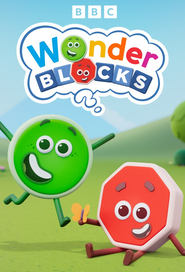
star 4.2Follow Wonderblocks Go and Stop, and a whole host of lovable characters, as they learn to think for themselves and work together to solve any problem that comes their way.Goldie & Bear
2015
Goldie & Bear
2015
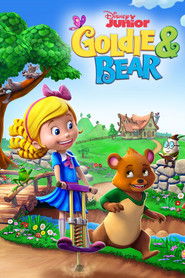
star 6.1You’ve heard the story of Goldilocks and the Three Bears, but did you hear what happened after the story ended? Goldilocks apologized to Bear and now they’re best friends.Zip Zip
2015
Zip Zip
2015
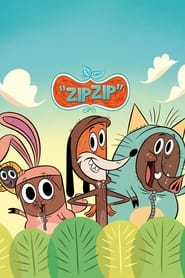
star 8Washington the fox, Sam the wild boar, and Eugenie, Sam's little sister, are tired of living paw-to-mouth in the wilderness. They crave the creature comforts only the suburbs can provide and decide to zip into costume and disguise themselves as run-of-the-mill house pets. So far, their secret is safe but you can count on the gang's wild animal instincts to surface at the very worst moments, driving the gags and suspense! They've tamed their new household, but they're not out of the woods just yet.Davey and Goliath
1961
Davey and Goliath
1961
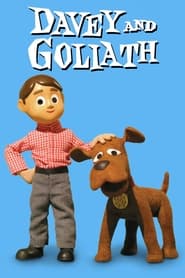
star 6.3Davey and Goliath is a 1960s stop-motion animated children's Christian television series. The programs, produced by the Lutheran Church in America, were produced by Art Clokey after the success of his Gumby series. Each 15-minute episode features the adventures of Davey Hansen and his "talking" dog Goliath as they learn Christian doctrine through everyday occurrences.M.A.S.K.
1985
M.A.S.K.
1985
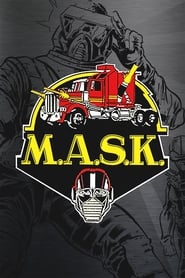
star 7.4The ‘80s animated series about masked crime fighters, the Mobile Armored Strike Kommand, out to stop the chaotic crime syndicate known as V.E.N.O.M.Super Dino
2022
Super Dino
2022
Ultraman Kids: 30 Million Light-Years in Search of Mother
1991
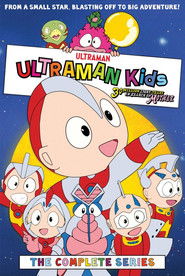
star 10The Ultraman Kids are a lovable bunch of outer space kids on a quest through the galaxy to find their leader Mar’s missing parents. Along the way they have fun and adventures and even learn a thing or two! Mar is the leader of the Ultraman Kids. He’s a curious fun-loving little boy with a taste for adventure and a talent for mischief. Pico is a bright clever girl, capable of anything the Ultra Boys can do. Tar is the strongest of the Ultraman Kids. Unfortunately he’s somewhat lacking in brain power. Sebu is the Ultraman Kids’ resident scientific genius. He’s complete, concise and well-organized, the exact opposite of Mar. Pigco is a lovable, squeezable creature and a fine friend to all the Ultraman Kids. Pigco is always seen together with little Midori. Sometimes it seems as if the two of them are two parts of one strange creature. Varu is the self-proclaimed head of the monster crew. He’s conceited, short tempered and determined to spoil the Kids’ fun.수학이 야호
2018
수학이 야호
2018
Me & Mickey
2022
Me & Mickey
2022
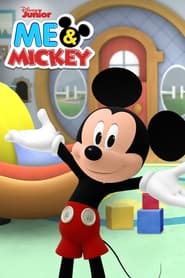
star 5Mickey invites preschoolers to play along as he talks about everyday topics familiar to their lives, including morning and nighttime routines and packing a backpack.Cutie Cubies
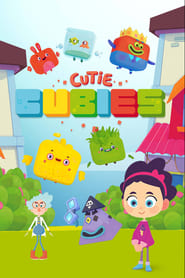
2017
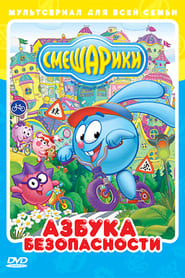
Kikoriki: The ABC's of Safety
2006
star 5.5The world is full of unknown, incomprehensible and therefore very attractive things that children encounter every day. In order to give them the opportunity to learn about the world themselves, but at the same time to do so without risk to their health, "The ABCs of Safety" was created. In short, fascinating stories, young viewers, together with the Smesharikis, will get to know the basics of safety and learn different tricks, remember important and useful rules of conduct on the road, in transport, on the water and much more...Star Wars Galaxy of Adventures
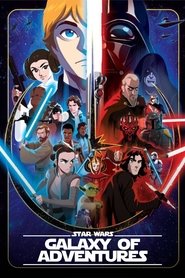
2018
star 5.6A series of animated shorts celebrating the characters and stories of a galaxy far, far away, featuring a bright and colorful art style, exciting action, and insight into the saga's greatest themes!Little Dogs on the Prairie
2000
Little Dogs on the Prairie is an animated Christian comedy show for children produced by Fancy Monkey Studios. The show takes place in a small town where prairie dogs live in holes covered by house sets. The show is narrated by Nathan Carlson, one of the many voices on the hit Christian radio shows Jungle Jam and Adventures in Odyssey.Ranger Rob
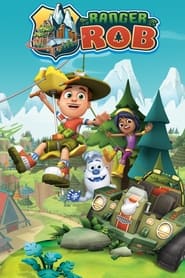
2016
Ranger Rob
2016
star 1Adventurous Ranger Rob's favorite thing to do is go outside to play, explore and discover. That's easy for him to do at Big Sky Park, the coolest outdoor adventure park around. Along with his best friends, swinging sidekick Dakota and friendly yeti Stomper, the brave ranger zip lines, vine-swings and snowboards his way around the park to discover new places, from the desert to the frosted fieldsLittle Charmers
2015
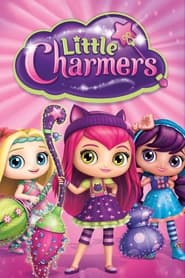
Little Charmers
2015
star 6.2In the magical land of Charmville, charmers have special powers. Charmer-in-training Hazel and her best friends, Posie and Lavender, are still getting used to their powers. Fearless go-getter Hazel leads the group on adventures designed to break in their magical abilities.The Addams Family
1992
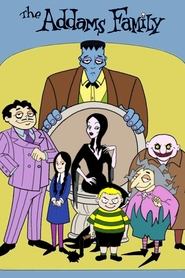
The Addams Family
1992
star 6.8The Addams Family is an American animated series based on the eponymous comic strip characters and the second Addams Family Cartoon.