Popular War Politics TV Series on Pantaflix - Page 132
All Services
Free Services
 Netflix
 Amazon Prime Video
 Apple iTunes
 Apple TV Plus
 Disney Plus
 Google Play Movies
 Paramount Plus
 Hulu
Hulu
 HBO Max
 YouTube
 fuboTV
 Peacock
 Peacock Premium
 Amazon Video
 The Roku Channel
 AMC+
AMC on Demand
AMC+
AMC on Demand
 Kocowa
 Hoopla
 The CW
 Vudu
Vudu
 Starz
Starz
 Showtime
 PBS
PBS
 Pantaflix
 FXNow
FXNow
 Tubi TV
 Kanopy
 Comedy Central
 Crunchyroll
 Microsoft Store
 Redbox
 Sun Nxt
 ABC
ABC
 DIRECTV
 Crackle
 Fandor
 Plex
Plex
Netflix
Amazon Prime Video
Apple iTunes
Apple TV Plus
Disney Plus
Google Play Movies
Paramount Plus
Hulu
HBO Max
YouTube
fuboTV
Peacock
Peacock Premium
Amazon Video
The Roku Channel
AMC+
AMC on Demand
Kocowa
Hoopla
The CW
Vudu
Starz
Showtime
PBS
Pantaflix
FXNow
Tubi TV
Kanopy
Comedy Central
Crunchyroll
Microsoft Store
Redbox
Sun Nxt
ABC
DIRECTV
Crackle
Fandor
Plex

戚继光
2014
戚继光
2014
雄兵连之雷霆万钧
0000
雄兵连之雷霆万钧
0000
Familiae: Alpha Alpha
2024
The controversial Nationalist Party is elected to rule the country. The Alpha Alpha fraternity, known as its support, takes the power at University.About People and War
2020
About People and War
2020
A series of tragic, heroic or even funny stories that happened to young people during the Great Patriotic War. Girls and boys whose dreams, plans and ideas about happiness were changed by the war.Nazi Victory: The Post-War Plan
2018
UK Updated version of a History Channel Production called "Hitlers Empire - The Post War Plan". It's probably the greatest historical "what if?" of all time. A question that fascinates and horrifies in equal measures: what if Nazi Germany had won the Second World War? In this brand-new and exclusive six-part series, author and historian Guy Walters reveals how Hitler had already started to implement plans of world domination long before the war had started and explores how the Fuhrer intended to carry them out, regardless of the human cost.WW2 - Battles for Europe
2019
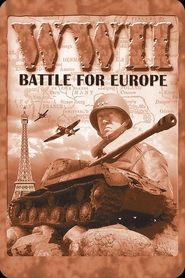
star 9Eye-witness veteran testimony from men who served under fire on the frontlineThe Trial of Maurice Papon
2025
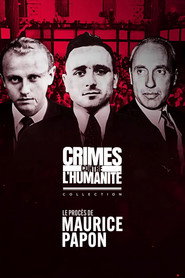
star 7Maurice Papon, a high-ranking official under the Vichy regime, oversaw the deportation of hundreds of Jews from the Gironde prefecture in 1942. After the war, he enjoyed a prestigious career as a prefect, member of parliament, and minister without ever facing any repercussions. In 1981, the newspaper “Le Canard enchaîné” revealed his role during the Occupation, backed by documents, leading to a complaint for crimes against humanity. After 16 years of legal proceedings, his trial began in 1997. Accused of complicity in the deportation of 1,600 Jews, he claimed he was merely obeying government orders and acting under coercion from the Nazi occupiers, while the prosecution emphasized his conscious responsibility. Sentenced to 10 years’ imprisonment in 1998 following a trial lasting more than six months, he was released in 2002 for health reasons. This trial, a belated symbol of the accountability of public officials, continues to fuel reflection on individual responsibility.The Grey Wolves: Echoes from WWII
2016
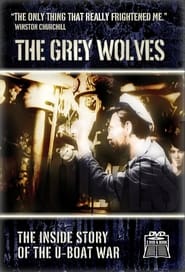
Grey Wolves captures life on board a U-boat, from the German perspective. First hand accounts in text, letters, diaries, journals, memoirs, relaying tales of the mundane and the routine, dramatic and heroic; the fear and resilience of every crew member, from Kapitainleutnant to Mechaniker. It is a vivid, brutally realistic portrait of the men who fought and died beneath the surface of the Atlantic in what was, perhaps, the most critical battle of the war.Attack on Fortress Europe: From D-Day to V.E. Day
2003
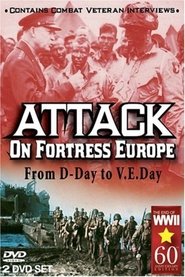
Hitler had proclaimed that Nazi conquered Europe was an impenetrable fortress. On the 6th of June 1944, the Allies launched the largest combined land, air and sea operation ever. This invasion, designed to begin the liberation of Europe, would forever be known as D-Day. The years leading up to 1944 had seen total domination of Europe by Nazi Germany. Despite the entry of America into WWII, strategic bombing, the invasions of North Africa and Italy, Germany remained in control and was able to strength its coastal defenses, The Atlantic Wall, in preparation for the inevitable Allied invasion. Operation Overlord was the Allied plan to defeat those defenses and open a Western Front. The hard lessons learned at Anzio, Dieppe and Salerno were about to be brought into focus with the greatest invasion the world had ever seen. But how had the Allies come to this point? Who were the personalities and what compromises were made to forge this great alliance?Tyrant: The Rise of Adolf Hitler
2023
A fresh examination of events between September '38 and March '39. Hitler was intent on invading Czechoslovakia, but even then the tyrant was already looking to his next goal.La transición
1995
War News
2014
War News
2014
This series uses modern-day technology to present breaking news stories from the front lines of World War l, with a focus on New Zealand's troops. Writer David Brechin-Smith worked with historians from the Ministry for Culture and Heritage to recreate key ANZAC battles, including the ill-fated Gallipoli campaign and the Allied offensive at Passchendaele.