Popular Animation TV Series on Tub Tv - Page 261
All Services
Free Services
 Netflix
 Amazon Prime Video
 Apple iTunes
 Apple TV Plus
 Disney Plus
 Google Play Movies
 Paramount Plus
 Hulu
Hulu
 HBO Max
 YouTube
 fuboTV
 Peacock
 Peacock Premium
 Amazon Video
 The Roku Channel
 AMC+
AMC on Demand
AMC+
AMC on Demand
 Kocowa
 Hoopla
 The CW
 Vudu
Vudu
 Starz
Starz
 Showtime
 PBS
PBS
 Pantaflix
 FXNow
FXNow
 Tubi TV
 Kanopy
 Comedy Central
 Crunchyroll
 Microsoft Store
 Redbox
 Sun Nxt
 ABC
ABC
 DIRECTV
 Crackle
 Fandor
 Plex
Plex
Netflix
Amazon Prime Video
Apple iTunes
Apple TV Plus
Disney Plus
Google Play Movies
Paramount Plus
Hulu
HBO Max
YouTube
fuboTV
Peacock
Peacock Premium
Amazon Video
The Roku Channel
AMC+
AMC on Demand
Kocowa
Hoopla
The CW
Vudu
Starz
Showtime
PBS
Pantaflix
FXNow
Tubi TV
Kanopy
Comedy Central
Crunchyroll
Microsoft Store
Redbox
Sun Nxt
ABC
DIRECTV
Crackle
Fandor
Plex

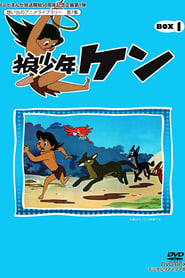
Wolf Boy Ken
1963
Tales of the Wizard of Oz
1961
star 6Tales of the Wizard of Oz, created in 1961, was an animated television series crafted by Crawley Films for Videocraft, (later known as Rankin/Bass Productions.) This was the studio's second venture into animation and Rankin/Bass's inaugural foray into traditional animation. Characters from L. Frank Baum's 1900 novel The Wonderful Wizard of Oz are given additional names, including Dandy the Cowardly Lion, Rusty the Tin Man, and Socrates the Strawman, expanding upon the original with these fresh monikers.Angry Birds: Summer Madness
2022
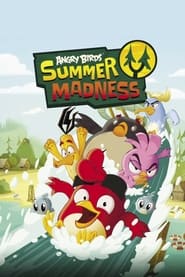
star 7.2Teen birds Red, Chuck, Bomb and Stella are crashing through Camp Splinterwood with their fellow feathered campers for a summer of high-flying hijinks!Pandalian
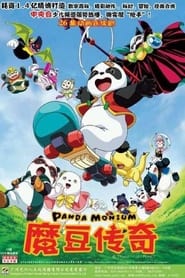
2004
Acrobunch
1982
Acrobunch
1982
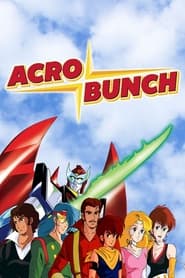
star 5Acrobunch was an anime series aired in 1982. There were 24 episodes. It is also referred to as "Demon Region Legendary Acrobunch", "'Demon Regions Legend Acrobunch", "'Ruins Legend Acrobunch", "'Acrobanch".HEYBOT!
2016
HEYBOT!
2016
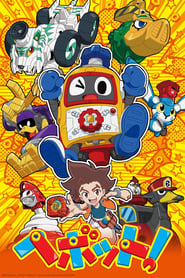
star 6The anime takes place on the screw-shaped island country of Nejigajima and follows the two "Bokyabots" Hebot and the Yurui Prince Nejiru as they collect different "Bokya Neji" screws. When the Bokyabots wear the Bokya Neji screws on their heads, they're able to compete in "Bokya Battles," battles for who can think up and tell the best jokes.BuBu ChaCha
1999
BuBu ChaCha
1999
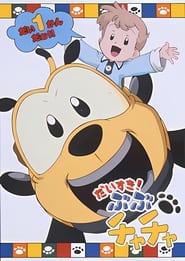
star 6Randy and ChaCha (Randy's pet dog) are best of friends. One day, ChaCha passes away, and turns into a star to watch over Randy. But ChaCha decides to return to Randy in the form of a toy car. Randy and ChaCha keep this secret to their own selves, and off they go to their adventures, where they learn that every little thing is a big discovery.E.B. White's Charlotte's Web
2025
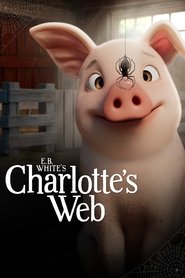
star 6.6When farm pig Wilbur learns he is being raised for slaughter, barn spider Charlotte writes messages in her web to convince the farmer to let him live.Rubbadubbers
2003
Rubbadubbers
2003
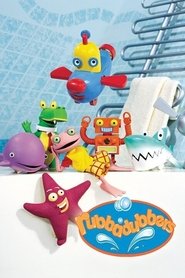
star 7.4The Rubbadubbers are fun-loving bath toys who spring to life when nobody's looking. When they're not splashing about in the bathroom, they imagine themselves in fantastical adventures where they live out their wishes… and their possible consequences.No Love Zone
2023
No Love Zone
2023
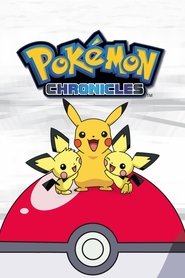
star 8Eun-kyum is a rookie employee in his first year at work. He is diligent. full of charms, and gets along well with others. But because he values looks too much, Eun-kyum has been unsuccessful in love. This changes when his team leader shows up as his ideal type. But Eun-kyum is constantly irritated by Ji-hyuk because he gives him a hard time whenever he gets the chancePokémon Chronicles
2002
Pokémon Chronicles
2002
star 7.9Pokémon Chronicles, partly known in Japan as Pocket Monsters Side Stories, is a spin-off series of the Pokémon anime, revolving around characters other than Ash Ketchum.Theme Song Takeover
2019
Theme Song Takeover
2019
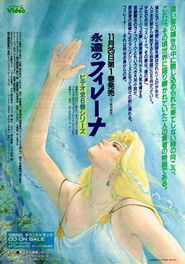
star 7.5The series consists of theme songs to various Disney Channel shows, redone by a supporting character of that series.Eternal Filena
1992
Eternal Filena
1992
star 4Eternal Filena or Eien no Filena, is based on the fantasy light novel series by Shudou Takeshi, serialised in Japan in Animage and illustrated by Takada Akemi. Eternal Filena follows the adventures of Filena, a female slave and gladiator brought up as a boy in the ocean kingdom of Filosena, which is in the middle of a revival. Note: The series has been collected into nine volumes published by Tokuma Shoten. The novel series was also adapted into an RPG released by Tokuma Shoten for the Super Famicom in 1995. It was only released commercially in Japan.Pan de Peace!
2016
Pan de Peace!
2016
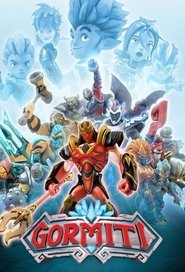
star 3.8The "cute and soft bread four-panel manga" centers around Minami, an air-headed girl who is starting high school and who loves eating bread for breakfast. Baked goods bring happiness everyday to her and her classmates the reliable Yuu, the pastry-baking Fuyumi, and the independent Noa.Gormiti
2018
Gormiti
2018
star 6.5Four friends become guardians of the island Gorm and must harness powers of the elements to stop an evil lord and his army from ruling the kingdom.Barbapapa around the world
1999
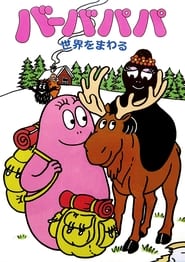
star 6.9The adventures of Barbapapa, Barbamama, their seven children, and their pet dog Lolita as they travel around the world.CARDFIGHT!! VANGUARD EXTRA STORY -if-
2020
star 8The series will explore an alternate universe to the main series, and will focus on Kouji Ibuki, an antagonist in the Cardfight!! Vanguard Movie: Neon Messiah, and Suiko Tatsunagi.Fish Police
1992
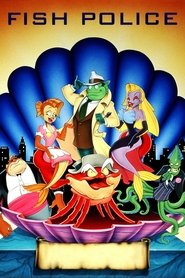
Fish Police
1992
star 5.7Fish Police is a comic book series by cartoonist Steve Moncuse. The plot centers on law and crime in a fictional underwater metropolis with the protagonist, Inspector Gill, trying to solve various, often Mafia-related, crimes while avoiding being seduced by the buxom Angel Jones. The comic featured several marine species as its characters, while the plots and dialogue were reminiscent of film noir. Original Fish Police stories were published from 1985 to 1991, and featured the early work of Sam Kieth as inker.KaBlam!
1996
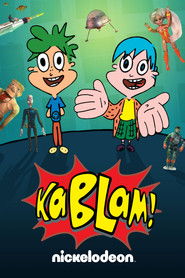
KaBlam!
1996
star 7.1KaBlam! is a sketch comedy television series that ran from 1996 to 2000. It features a collection of short films in several different styles of animation, bridged by the characters of Henry and June, who introduce the shorts, and have adventures of their own. The show ended its three-year run nine months short of four years on January 22, 2000.Cake
2019
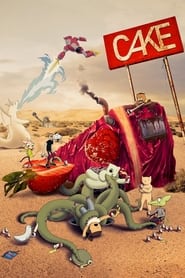
Cake
2019
star 5.4A handcrafted assortment of bite-sized content served up to viewers as a tasty treat for the mind. Featuring a diverse array of narratives from storytellers both new and established, this carefully curated half-hour weekly showcase features both live-action and animated comedy programs of varied length that are equal parts thought-provoking, laugh-inducing, artistic, authentic and raw. (Not to mention, totally gif-able!)