Popular Kids TV Series on Tub Tv - Page 344
All Services
Free Services
 Netflix
 Amazon Prime Video
 Apple iTunes
 Apple TV Plus
 Disney Plus
 Google Play Movies
 Paramount Plus
 Hulu
Hulu
 HBO Max
 YouTube
 fuboTV
 Peacock
 Peacock Premium
 Amazon Video
 The Roku Channel
 AMC+
AMC on Demand
AMC+
AMC on Demand
 Kocowa
 Hoopla
 The CW
 Vudu
Vudu
 Starz
Starz
 Showtime
 PBS
PBS
 Pantaflix
 FXNow
FXNow
 Tubi TV
 Kanopy
 Comedy Central
 Crunchyroll
 Microsoft Store
 Redbox
 Sun Nxt
 ABC
ABC
 DIRECTV
 Crackle
 Fandor
 Plex
Plex
Netflix
Amazon Prime Video
Apple iTunes
Apple TV Plus
Disney Plus
Google Play Movies
Paramount Plus
Hulu
HBO Max
YouTube
fuboTV
Peacock
Peacock Premium
Amazon Video
The Roku Channel
AMC+
AMC on Demand
Kocowa
Hoopla
The CW
Vudu
Starz
Showtime
PBS
Pantaflix
FXNow
Tubi TV
Kanopy
Comedy Central
Crunchyroll
Microsoft Store
Redbox
Sun Nxt
ABC
DIRECTV
Crackle
Fandor
Plex

工程车益智好伙伴
2021
工程车益智好伙伴
2021
Balık
2026
Balık
2026
Sesam Stasjon
0000
Sesam Stasjon
0000
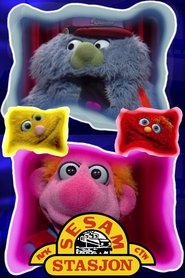
star 6Sesam stasjon was a Norwegian children's television series that ran on NRK1 based on Sesame Street. It quickly became the most popular children's show in Norway after its début in 1991, and 198 episodes were made until 1998. Unlike their predecessors from all over the world it is set in a railway station near a town instead of the traditional Sesame Street neighbourhood. Each episode is 30 minutes, of which 15–20 are from the Norwegian production and 10–15 is dubbed from Sesame Street.Aesop's Theater
2008
Aesop's Theater
2008
Lovingly brought to life in this beautifully animated series, Aesop is a friendly wolf who writes and directs plays for a travelling theatre group. Among the members of his company are a would-be writer fox, some mischievous pigs and a tough little rabbit. At first, they do not always get along, since they have to live together in a cramped carriage. However, while spending time working together in the theatre they get to know and understand each other better.Summer Camp
2017
Summer Camp
2017
We follow five 12-year old kids during a weeklong summer camp. A Scandinavian summer filled with drama, love, disappointments, friends and adventure.一禅小和尚
2016
一禅小和尚
2016
笨狼和他的小伙伴
2018
笨狼和他的小伙伴
2018
大秦五行少年传
0000
大秦五行少年传
0000
L'Albero Azzurro
1990
L'Albero Azzurro
1990
Heino fikser alt
2018
Heino fikser alt
2018
The Krankies Elektronik Komik
1985
A family variety series presented by the Krankies which also featured magic from the Great Soprendo and live music from pop bands. The series was their third solo programme since Crackerjack, this time on the BBC. Featured in a total of three series.Kid Fit Chef
2024
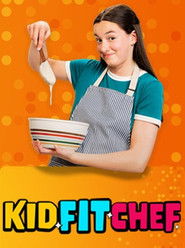
Kid Fit Chef
2024
Chef Olivia makes cooking fun as she helps you learn your way around the kitchen and teaches you how to make food that is both nutritious and delicious.布鲁可战队之危客对决
2021
布鲁可战队之危客对决
2021
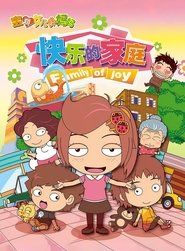
宝贝女儿好妈妈之快乐的家庭
2012
핑크퐁 원더스타
2019
핑크퐁 원더스타
2019
Trade-Offs
1978
Trade-Offs
1978
Trade-offs was an AIT program designed to improve economics instruction in the United States and Canadian schools. The series of fifteen lessons, for children from 9-13, helped students think their way through economic problems and increased their understanding of economics. On a broader scale, it helped them become more effective decision makers and ultimately more responsible citizens. Each lesson consists of a 20-minute color television/film program plus teacher's guide material to facilitate classroom follow-up. Each program begins with a short segment that identifies key points that students and teachers should watch for. This is followed by the dramatization of a fundamental economic problem relevant to the daily life of the student. Special visuals emphasize the economic principles and reasoning processes involved. The last portion of the program introduces, but does not resolve, another problem, and ends by posing a question to the viewers.绘本馆
0000
绘本馆
0000
Pablo: Next Level
2026
Pablo: Next Level
2026
Pablo has joined a new school and it’s strange, wild and definitely complicated. From rules that don’t always make sense to chaotic corridors, Pablo is navigating this strange new world one drama at a time, with a little “help” from his book animal friends and a whole lot of imagination. Through art and creativity, Pablo makes sense of the things that feel impossible to untangle, revealing a world that’s funny, heartfelt, and deeply relatable.