Popular Talk TV Series on Tubi TV - Page 12
All Services
Free Services
 Netflix
 Amazon Prime Video
 Apple iTunes
 Apple TV Plus
 Disney Plus
 Google Play Movies
 Paramount Plus
 Hulu
Hulu
 HBO Max
 YouTube
 fuboTV
 Peacock
 Peacock Premium
 Amazon Video
 The Roku Channel
 AMC+
AMC on Demand
AMC+
AMC on Demand
 Kocowa
 Hoopla
 The CW
 Vudu
Vudu
 Starz
Starz
 Showtime
 PBS
PBS
 Pantaflix
 FXNow
FXNow
 Tubi TV
 Kanopy
 Comedy Central
 Crunchyroll
 Microsoft Store
 Redbox
 Sun Nxt
 ABC
ABC
 DIRECTV
 Crackle
 Fandor
 Plex
Plex
Netflix
Amazon Prime Video
Apple iTunes
Apple TV Plus
Disney Plus
Google Play Movies
Paramount Plus
Hulu
HBO Max
YouTube
fuboTV
Peacock
Peacock Premium
Amazon Video
The Roku Channel
AMC+
AMC on Demand
Kocowa
Hoopla
The CW
Vudu
Starz
Showtime
PBS
Pantaflix
FXNow
Tubi TV
Kanopy
Comedy Central
Crunchyroll
Microsoft Store
Redbox
Sun Nxt
ABC
DIRECTV
Crackle
Fandor
Plex

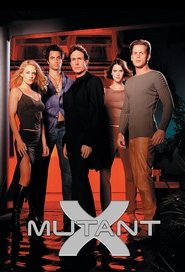
Mutant X
2001
Mutant X
2001
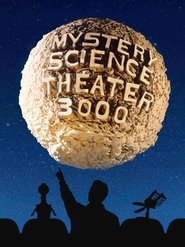
star 6.7Mutant X is a science fiction television series that debuted on October 6, 2001. The show was created by Avi Arad, and it centers around Mutant X, a team of "New Mutants" who possess extraordinary powers as a result of genetic engineering. The members of Mutant X were used as test subjects in a series of covert government experiments. The mission of Mutant X is to seek out and protect their fellow New Mutants. The series was filmed in Toronto, Ontario, Canada. Even though the series had high ratings and was meant to be renewed for a fourth season, it was abruptly canceled in 2004 after the dismantling of Fireworks Entertainment, one of the show's production companies, ending the show on a cliffhanger.Mystery Science Theater 3000
1989
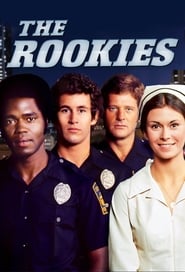
star 7.7A stranded spaceship pilot captured by mad scientists survives a blitz of cheesy B movies by riffing on them with his funny robot pals.The Rookies
1972
The Rookies
1972
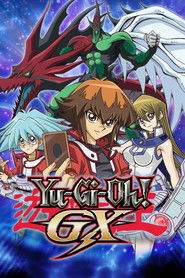
star 6.9The Rookies is an American crime drama series that aired on ABC from 1972 until 1976. It follows the exploits of three rookie police officers working in an unidentified city for the fictitious Southern California Police Department.Yu-Gi-Oh! GX
2004
Yu-Gi-Oh! GX
2004
star 7.9Ten years after the Ceremonial Battle, a teenage boy named Judai Yuuki (Jaden Yuki) heads off in order to join the Duel Academia (Duel Academy) located on a remote island off the coast of Japan. There he meets his fellow students and gains a few friends, along with a few enemies. Judai is put into the lowest rank of Osiris Red (Slifer Red), but he continues to test his skills against the students and faculty to prove his worth as a Duelist and earn the respect of everyone around him.What's New, Scooby-Doo?
2002
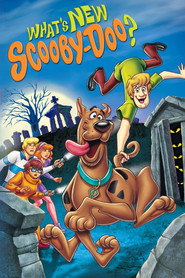
star 7.8Scooby-Doo and the Mystery, Inc. gang are launched into the 21st century, with new mysteries to solve.Transformers: Prime
2010
Transformers: Prime
2010
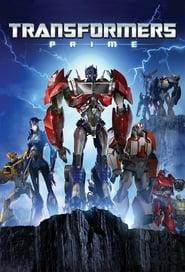
star 8.1Roll out with Optimus Prime, Bumblebee, Arcee, Ratchet, Bulkhead, and the rest of the heroic Autobots as they battle the evil Decepticons. Now that big bad Megatron has returned with a mysterious and dangerous element, Team Prime must prepare for an epic battle.The Looney Tunes Show
2011
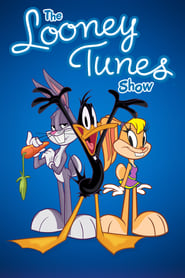
star 8.1Bugs Bunny, Daffy Duck and the rest of the “Looney Tunes” characters are back with more adventures for a new generation of viewers. The animated series features roommates Bugs and Daffy moving out of the woods and into the suburbs, interacting with their neighbors, who happen to be other "Looney Tunes" favorites -- including Sylvester, Tweety, Porky Pig and Foghorn Leghorn.Talking Tom and Friends
2014
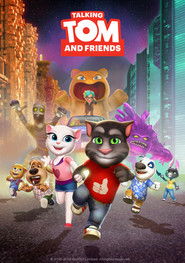
star 7.1Armed with technological gear, great ideas and an unfailing sense of humour, Talking Tom and his friends are on a mission to reach stardom at all costs.Shaun the Sheep
2007
Shaun the Sheep
2007
star 7.6Shaun the Sheep thinks and acts like a person in a barnyard, which usually gets him into trouble. The farmer's sheepdog, Bitzer, tries to keep Shaun and his friends out of trouble. The farmer is oblivious to the humanlike features of his flock, who are like one big, happy family.Grand Designs
1999
Grand Designs
1999
star 7.1British television series which features unusual and often elaborate architectural homebuilding projects.Alert: Missing Persons Unit
2023
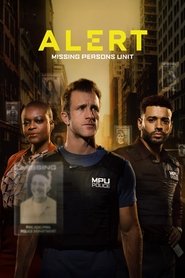
star 7.4When police officer Nikki Batista’s son goes missing, she joins the Philadelphia Police Department's Missing Person’s Unit (MPU) to help other people find their loved ones, even as she searches for her own. Six years later, her world is turned upside-down when her ex-husband, Jason Grant, a former police officer, shows up with a proof-of-life photo of their missing boy. Or is it?Space: 1999
1975
Space: 1999
1975
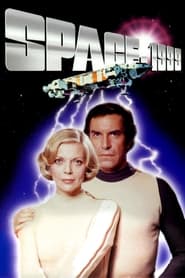
star 7.1The crew of Moonbase Alpha must struggle to survive when a massive explosion throws the Moon from orbit into deep space.Prime Suspect
1991
Prime Suspect
1991
star 7.8Highly skilled Detective Inspector Jane Tennison battles to prove herself in a male dominated world.Justice League Unlimited
2004
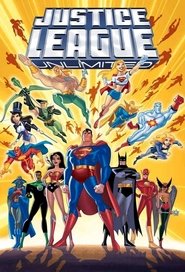
star 8.3The galaxy's most powerful superheroes return to battle the allied villains and criminal plots that endanger the universe.Guarded
2025
Guarded
2025
star 8.5A headstrong ex-police officer becomes the unlikely bodyguard for a flamboyant billionaire, leading to unexpected chemistry as threats and luxury collide in their high-stakes world.Saving Hope
2012
Saving Hope
2012
star 7When Charlie Harris ends up in a coma, he leaves the Hope-Zion Hospital in chaos - and his fiancée and fellow surgeon, Alex Reid, in a state of shock. As the staff of Hope-Zion races to save lives, comatose Dr. Harris wanders the halls of Hope-Zee in "spirit" form, not sure if he's a ghost or a figment of his own imagination.Tonbo!
2024
Tonbo!
2024
star 6.8A dramatic tale of golf and humans, set on the beautiful Tokara Islands. Igarashi has thrown away his past and fled society, relocating to Hinoshima Island. Here, on "Japan's last hidden paradise," he meets Tonbo, the island’s only middle schooler. To his surprise, this girl harbors an extraordinary talent for golf!? This encounter marks the beginning of a significant change in their destinies.He-Man and the Masters of the Universe
1983
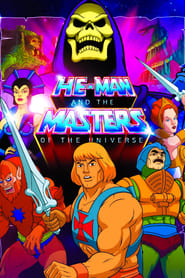
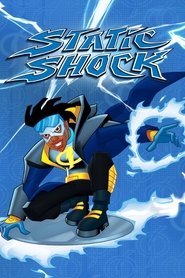
star 7.4When Adam, Prince of the planet Eternia, raises his magic sword he transforms into He-Man (the most powerful man in the universe). With his allies and friends, he battles the evil Skeletor and his minions to protect the secrets of Castle Grayskull.Static Shock
2000
Static Shock
2000
star 8An ordinary inner-city kid gains extraordinary powers and becomes an urban legend as the first teenage African-American superhero.The First Years
2014
The First Years
2014
star 5.2The First Years is a Dutch series for young people in which real-life situations are recreated. The series sheds light on subjects that pupils in the first year of secondary school may be confronted with.