Top Rated Animation TV Series - Page 231
All Services
Free Services
 Netflix
 Amazon Prime Video
 Apple iTunes
 Apple TV Plus
 Disney Plus
 Google Play Movies
 Paramount Plus
 Hulu
Hulu
 HBO Max
 YouTube
 fuboTV
 Peacock
 Peacock Premium
 Amazon Video
 The Roku Channel
 AMC+
AMC on Demand
AMC+
AMC on Demand
 Kocowa
 Hoopla
 The CW
 Vudu
Vudu
 Starz
Starz
 Showtime
 PBS
PBS
 Pantaflix
 FXNow
FXNow
 Tubi TV
 Kanopy
 Comedy Central
 Crunchyroll
 Microsoft Store
 Redbox
 Sun Nxt
 ABC
ABC
 DIRECTV
 Crackle
 Fandor
 Plex
Plex
Netflix
Amazon Prime Video
Apple iTunes
Apple TV Plus
Disney Plus
Google Play Movies
Paramount Plus
Hulu
HBO Max
YouTube
fuboTV
Peacock
Peacock Premium
Amazon Video
The Roku Channel
AMC+
AMC on Demand
Kocowa
Hoopla
The CW
Vudu
Starz
Showtime
PBS
Pantaflix
FXNow
Tubi TV
Kanopy
Comedy Central
Crunchyroll
Microsoft Store
Redbox
Sun Nxt
ABC
DIRECTV
Crackle
Fandor
Plex

The Barkers
2011
The Barkers
2011
star 6Mom, Dad and... five puppies. The Barboskins are like people. Dad spends his free time at the computer, his daughters are fond of fashion and listen to Jeanne Pussy, and his sons play football and dream of a Nobel Prize.National Husband Bring Home
2016
star 5.8Lu Jin Nian and Qiao An Hao were not married by choice. On the first day of their wedding night, Qiao An Hao made three rules regarding their marriage. One, you are not allowed to touch me. Two, you are not allowed to announce publicly that I'm your wife. Three, you are not allowed to say that we are living together.Willy Fog 2
1994
Willy Fog 2
1994
star 5.1Willy Fog is again challenged by Sullivan and embarks, with his friends, in search of a secret path to the center of the Earth and the depths of the sea.Cyborg 009: Call of Justice
2017
star 6.2Years after taking up normal lives incognito, the cyborgs are forced to fight again when the superhumans known as the Blessed appear with a plan for humanity.BoBoiBoy Galaxy
2016
BoBoiBoy Galaxy
2016
star 9.1Power Spheras are high-tech robots carrying powers unimaginable. Coveted by many, these robots fled and hid themselves in various parts of the galaxy. One by one, Power Spheras have been hunted down and captured by those with ill intent. And now, their powers are used to wreak havoc and destruction throughout the universe. This is the tale of Earth's superhero, BoBoiBoy and his quest to save the Power Spheras and defend our galaxy.Lalaloopsy
2013
Lalaloopsy
2013
star 7.8The Lalaloopsy gang and their adorable pets know every day is a perfect day to celebrate the magic of friendship, creativity and collaboration.Doctor Aybolit
1984
Doctor Aybolit
1984
star 7.4An old sea captain and his student decide to take part in the international regatta. At the same time an amateur thief steals a statue of Aphrodite from Louvre and boards their yacht by mistake. A long, fun adventure is ahead.Getter Robo: Armageddon
1998
star 7.9Dr. Saotome returns from the dead after being seemingly murdered by Getter pilot Nagare Ryoma and threatens the world with his ultimate creation: the Shin Dragon. Ryoma reluctantly teams up with his former co-pilots Jin Hayato and Tomoe Mushashi to combat Dr. Saotome. The pilots must also deal with the mysterious Invaders, aliens that have the ability to possess humans and warp their flesh to form hideous creatures.PopPixie
2011
PopPixie
2011
star 8.4Protected and empowered by the magical Tree of Life, the miniature metropolis of Pixieville is home to a group of extraordinary little creatures.Mahou Shoujo Nante Mouiidesukara
2016
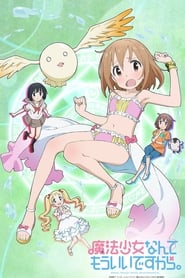
star 6.1Yuzuka Hanami is an average girl, with a few friends until one day she finds a strange creature named Miton digging through the garbage. Miton suspiciously tells Yuzuka that she has the makings of a magical girl. However, much to her dismay, when she transforms, Yuzuka is wearing a bathing suit.Scorching Ping Pong Girls
2016
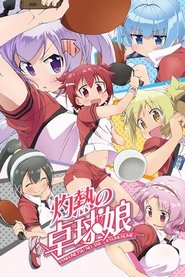
star 5.3Ever since their champion was defeated, the world of girls' junior high ping pong has been in turmoil. Koyori is the new smirking transfer student at her junior high and she's ready to shake up girls' ping pong.The Stinky & Dirty Show
2016
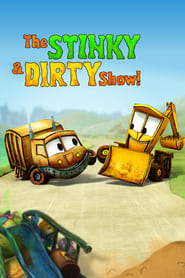
star 5.4The adventures of best friends and unlikely heroes, Stinky the garbage truck and Dirty the backhoe loader, a dynamic and hilarious duo of resourcefulness that learn when things don't go as expected, asking "what if" can lead to success. Based on books by Jim and Kate McMullan.Robin des Bois : Malice à Sherwood
2015
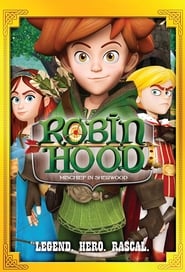
star 7.6Richard the Lionheart has gone to war, leaving power in the hands of Prince John. Sherwood is in danger, but Robin Hood and his gang are on hand to save the day! Meet Maid Marian with her castle insider knowledge, charming Little John, grumpy Tuck and Robin's funny cousin Scarlett. Follow the gang who with comedy, magic and friendship will save the day.Master of Mosquiton
1996
Master of Mosquiton
1996
star 6In the 1920's, Inaho ressurrects a vampire named Mosquiton with her blood. He awakens and becomes her slave. Now, Inaho is after the O-Part, which will grant her immortality. However, a bunch of supernatural monsters are out to stop them from achieving their goal.Peanuts by Schulz
2014
Peanuts by Schulz
2014
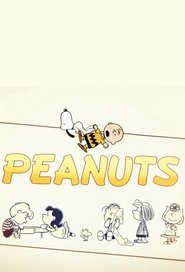
star 6Remember the legendary comic strip, celebrated all over the world? Now, watch it come to life on screen! Peanuts brings to you the vintage charm and timeless stories of Charlie Brown's gang with a renewed zest. Join in the adventurous world of the wildly imaginative, supremely confident and world-famous beagle, Snoopy.Onigiri
2016
Onigiri
2016
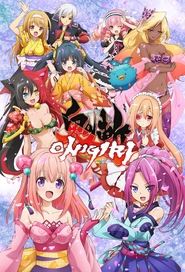
star 5.8Onigiri thrusts its players into mystical Japan, a land filled with mythical creatures of Japanese legend. Starting as a lone Oni, players fight against the malevolent influence of the Kamikui as their miasma spreads over the land. 8 NPCs, each with their own distinct personality and skills, ally themselves with the player to help build a legend, and quell the evil that has arisen. As you grow stronger together, so do the bonds binding you to each other.Crying Freeman
1988
Crying Freeman
1988
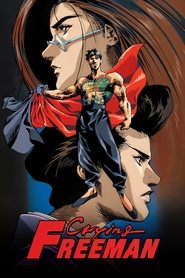
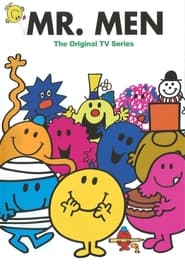
star 7.4Yo Hinomura was an ordinary Japanese potter when a run-in with a Chinese mafia changed his life forever. Now an assassin for the 108 Dragons, Yo is the perfect killing machine. As a sign for remorse over his victims, he sheds tears after eliminating his targets. Because of this, he is infamously known by the Dragons and every crime syndicate in the world as the "Crying Freeman."Mr. Men
1974
Mr. Men
1974
star 7.6The Mr Men are a whole host of brightly colored characters that live in Misterland. All of them have names like Mr Happy, Mr Clumsy and Mr Greedy and their appearance and personality match their name. Based on the books by Roger Hargraves.