Top Rated Family TV Series - Page 168
All Services
Free Services
 Netflix
 Amazon Prime Video
 Apple iTunes
 Apple TV Plus
 Disney Plus
 Google Play Movies
 Paramount Plus
 Hulu
Hulu
 HBO Max
 YouTube
 fuboTV
 Peacock
 Peacock Premium
 Amazon Video
 The Roku Channel
 AMC+
AMC on Demand
AMC+
AMC on Demand
 Kocowa
 Hoopla
 The CW
 Vudu
Vudu
 Starz
Starz
 Showtime
 PBS
PBS
 Pantaflix
 FXNow
FXNow
 Tubi TV
 Kanopy
 Comedy Central
 Crunchyroll
 Microsoft Store
 Redbox
 Sun Nxt
 ABC
ABC
 DIRECTV
 Crackle
 Fandor
 Plex
Plex
Netflix
Amazon Prime Video
Apple iTunes
Apple TV Plus
Disney Plus
Google Play Movies
Paramount Plus
Hulu
HBO Max
YouTube
fuboTV
Peacock
Peacock Premium
Amazon Video
The Roku Channel
AMC+
AMC on Demand
Kocowa
Hoopla
The CW
Vudu
Starz
Showtime
PBS
Pantaflix
FXNow
Tubi TV
Kanopy
Comedy Central
Crunchyroll
Microsoft Store
Redbox
Sun Nxt
ABC
DIRECTV
Crackle
Fandor
Plex

Gideon
1976
Erai Tokoro ni Totsuide Shimatta!
2007
star 8Makimura Kimiko, freelance journalist and city-girl extraordinaire, marries into a traditional Japanese family. Most overbearing of the Yamamoto Family members is Isojiro's mother, Shimako, who seems to think Kimiko is the perfect wife whose knowledge of the traditional Japanese arts knows no bounds. Kimiko on the other hand is sloppy, a bad cook unless it happens to be microwavable, and couldn't tell a shamisen from a bagpipe if her life depended on it. Bombarded by customs, Kimiko's only desire is to never step foot in the Main House again. But with the interference of her husband, Isojiro, who can't seem to say no to his mother, Kimiko finds herself back in a place she calls Hell and smack in the midst of some crazy tradition her in-laws want her to participate in.Ando Natsu
2008
Ando Natsu
2008
star 6Ando Natsu is a heartwarming story rich in Japanese aesthetics and culture set in historic Asakusa, Tokyo. Follow Natsu as she strives to achieve her dreams and discovers the wealth of warmth and tradition in the community she finds herself welcomed into.Virgin Road
1997
Virgin Road
1997
star 7To pursue her dreams, Sakurai Kazumi (Wakui Emi) quits her job and goes to New York to study jewelry design, against the objections of her naggy and stubborn but well-meaning father (Takeda Tetsuya). As part of remaking herself, she changes from spectacles to contact lenses, even though she has problems adapting to them. When she accidentally drops her contact lenses, a mysterious man helps prevent them from being stepped on, but he walks away before she can talk to him. Some years pass, and Kazumi is on a plane home after receiving a letter from her brother Taku saying their father is critically ill. She has morning sickness and has some run-ins on the plane with a sloppily-dressed man, and it is only when she drops her contacts and the man helps her in a similar way that she recognises him (Sorimachi Takashi). She chases after him and asks, "would you like to do some work (arubaito)?" It turns out that Kazumi in her last letter from New York had written that she was in a relationship with someone and that they mPub "13 Chairs"
1966
Yawmeyat Zawga Mafrosa Awi
2015
star 5Engi is a sharp-tongued journalist who happens to work at the same newspaper as her husband Ali — a recipe for endless conflict. Clashing over politics, gender roles, and the realities of modern Egyptian marriage, the series blends sharp social commentary with warm domestic comedy. Starring Dalia El Behairy and Khaled Sarhan, it ran for five seasons and became one of Egypt's most beloved female-led comedies.Lily's Driftwood Bay
2014
Lily's Driftwood Bay
2014
star 4Follow the imagination of Lily, a five-year-old hunter, as she creates a world of adventure and friendship from treasures she finds washed up on the beach.Zoom the White Dolphin
2015
star 7.5When a teen diver Yann and his little sister Marina befriend an intelligent white dolphin, they embark on a series of splashy adventures.Aisi Hai Tanhai
2017
Aisi Hai Tanhai
2017
star 10Pakeeza's personal photos meant for her boyfriend are leaked and go viral over the internet, sparking a whole host of problems for her and her family. The shame she and her sister have to face leads to her being disowned by her mother.Trulli Tales
2017
Trulli Tales
2017
star 4.5In the kingdom of Trulliland, four friends with extraordinary talents have been chosen to protect the town's most prized possession, a Magic Cookbook, from the hands of Copperpot.Nina's World
2015
Nina's World
2015
star 6Tag along with imaginative 6-year-old Nina on her neighborhood excursions with her best friends Carlos, Chelsea and Star – celebrating family, community, diversity and wonder.Lost
2013
Lost
2013
star 6.5A young boy Karim suddenly gets kidnapped by falko his dad's unknown enemy in order to get even with his dad for snatching his girlfriend away from him.Kindergarten
2001
Kindergarten
2001
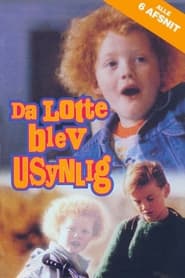
star 6.5Series that gets inside the hearts and minds of 23 real-life kindergarten students as they test the waters of academia for the first time.When Lotte Became Invisible
1988
star 6Seven year old Lotte becomes invisible when she presses her belly button.Little Tragedies
1980
Little Tragedies
1980
star 6How far can a man overcome by a destructive passion go? And does he realize that slavish worship of irrepressible desires always entails retribution?Elias: The Little Rescue Boat
2005
star 4.5This animated series follows the adventures of Elias the rescue boat and his friends as they work together to keep their home of Cozy Cove safe.Down the road
2018
Be with You
2005
Be with You
2005
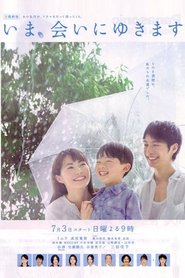
star 7"Mommy will be back in the rainy season." Mio Aio wrote these words in a picture book just before passing away. Though six-year old Yuji accepts his mother's death, he still believes the promise his mother made. Then the rainy season comes, and Yuji and his father, Takumi, meet a woman in the downpour that bears an uncanny resemblance to Mio, but has no recollection of who she is. Taking her in, they reacquaint her with her former self and family life returns to normal as memories come flooding back. But their new life together is interrupted by the discovery of Mio's old diary, which reveals the secrets of her past and how they must say goodbye in six weeks time. ~~ Adapted from the novel "Ima, Ai ni Yukimasu" (いま、会いにゆきます) by Takuji Ichikawa (市川 拓司).