Top Rated War Politics TV Series on Amazon Prime Video - Page 3
All Services
Free Services
 Netflix
 Amazon Prime Video
 Apple iTunes
 Apple TV Plus
 Disney Plus
 Google Play Movies
 Paramount Plus
 Hulu
Hulu
 HBO Max
 YouTube
 fuboTV
 Peacock
 Peacock Premium
 Amazon Video
 The Roku Channel
 AMC+
AMC on Demand
AMC+
AMC on Demand
 Kocowa
 Hoopla
 The CW
 Vudu
Vudu
 Starz
Starz
 Showtime
 PBS
PBS
 Pantaflix
 FXNow
FXNow
 Tubi TV
 Kanopy
 Comedy Central
 Crunchyroll
 Microsoft Store
 Redbox
 Sun Nxt
 ABC
ABC
 DIRECTV
 Crackle
 Fandor
 Plex
Plex
Netflix
Amazon Prime Video
Apple iTunes
Apple TV Plus
Disney Plus
Google Play Movies
Paramount Plus
Hulu
HBO Max
YouTube
fuboTV
Peacock
Peacock Premium
Amazon Video
The Roku Channel
AMC+
AMC on Demand
Kocowa
Hoopla
The CW
Vudu
Starz
Showtime
PBS
Pantaflix
FXNow
Tubi TV
Kanopy
Comedy Central
Crunchyroll
Microsoft Store
Redbox
Sun Nxt
ABC
DIRECTV
Crackle
Fandor
Plex

The Silent Service
2024
The Silent Service
2024
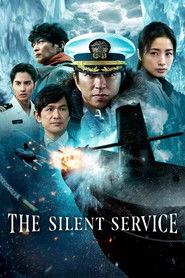
star 6.4An MSDF submarine collides with a U.S. nuclear submarine, crushing all 76 people on board, including its CO, Shiro Kaieda. However, the crew survives. The accident is a cover story to get the MSDF submarine's crew on board the Seabat, a nuclear submarine secretly built by the Japanese and U.S. governments. However, Kaieda loads the Seabat with nuclear missiles and suddenly mutinies and flees.Einsatzgruppen: The Nazi Death Squads
2009
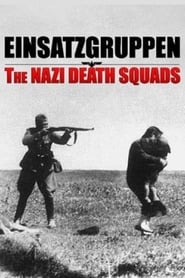
star 7.7This documentary series examines the Einsatzgruppen, Nazis responsible for the mass murder of Jews, Romani and Soviet prisoners in Eastern Europe.World War II: When Lions Roared
1994
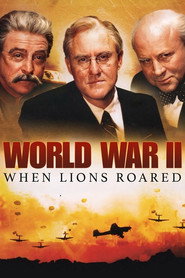
star 6.8A 1994 war television miniseries which portrays Roosevelt, Churchill, and Stalin as they maneuver their countries through several of the major events of World War II - such events include the Blitz, Operation Barbarossa, the bombing of Pearl Harbor, the North African Campaign, the Allied invasion of Italy, and concluding with the Tehran Conference.The Sandbaggers
1978
The Sandbaggers
1978
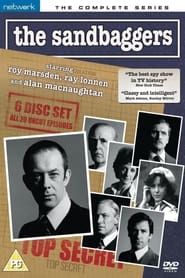
star 8.3The Sandbaggers is a British television drama series about men and women on the front lines of the Cold War. Set contemporaneously with its original broadcast on ITV in 1978 and 1980, The Sandbaggers examines the effect of the espionage game on the personal and professional lives of British and American intelligence specialists.Island at War
2004
Island at War
2004
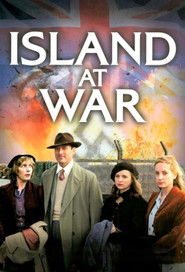
star 7.9Island at War is a British television series that tells the story of the German Occupation of the Channel Islands. It primarily focuses on three local families: the upper class Dorrs, the middle class Mahys and the working class Jonases, and four German officers. The fictional island of St. Gregory serves as a stand-in for the real-life islands Jersey and Guernsey, and the story is compiled from the events on both islands. Produced by Granada Television in Manchester, Island at War had an estimated budget of £9,000,000 and was filmed on location in the Isle of Man from August 2003 to October 2003. When the series was shown in the UK, it appeared in six 70-minute episodes.Vietnam in HD
2011
Vietnam in HD
2011
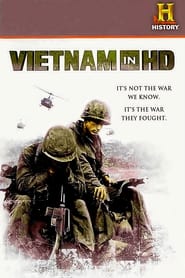
star 7.6The firsthand experiences of thirteen Americans during the Vietnam War. The thirteen Americans retell their stories in Vietnam paired with found footage from the battlefield.Abraham Lincoln
2022
Abraham Lincoln
2022
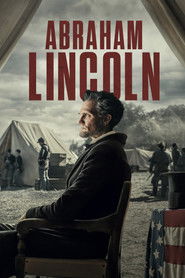
star 7.7The true story of America's iconic 16th president as told by weaving together both scripted dramatizations of important moments in his life and commentary by authoritative historians and public figures.Awaiting Kirin
2020
Awaiting Kirin
2020
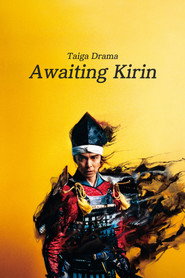
star 8.4After the Onin War, the world is plunged into chaos. Amid this situation, heroes of the warring states begin to emerge in an attempt to unify the country and rule in these turbulent times. In the mid-1540s, there is a young wandering samurai in Mino which is strategically located between the East and West. His name is Akechi Mitsuhide. At this time, there is plenty of internal strife within the Toki clan which rules Mino. Surrounded by the Oda of Owari, the Imagawa of Suruga and the Asakura of Echizen, Mino has constantly faced the risk of invasion. Mitsuhide is pulled into battle and destroys the enemy. His bravery as well as stratagem catches the attention of Saito Toshimasa, the chief retainer of the Toki clan, and he is singled out. This man who is also known as Saito Dosan will go on to takeover the Toki and make Mino his own.Inspector De Luca
2008
Inspector De Luca
2008
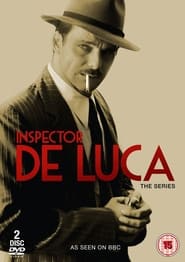
star 6.5Between 1938 and 1948, from the height of Italy s Fascist regime to the end of the tumultuous post-war period, Chief Detective De Luca investigates and solves crimes in the City of Bologna and along the Adriatic coast. With little or no regard for those in power, whoever they happen to be, his solitary, uncompromising character often lands him in trouble, but his respect is reserved for the truth and justice alone. In the four TV movies of the series Unauthorized Investigation , Carte Blanche , The Damned Season and Via Della Oche each taken from a novel by best-selling mystery Carlo Lucarelli Chief Detective De Luca always ultimately gets to the bottom of his cases, though what he finds leaves a bitter aftertaste.Soviet Storm: WW2 in the East
2010
star 8.2The epic television history of the Second World War’s Eastern Front giving an unprecedented Russian perspective on the war’s most decisive and bloody theater.The Presidents
2005
The Presidents
2005
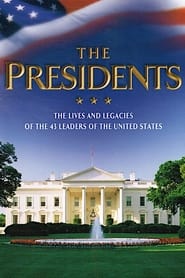
star 6.5The show documents each of the Presidents in the union, starting with George Washington, following a chronological order up until George W. Bush. Each President's segment begins with the narrator giving a brief dossier about each one, from their political affiliation, family, and notable traits. The show then highlights the history behind each presidency, linking each one to the following.Wish Me Luck
1988
Wish Me Luck
1988
star 7.1A secret organisation called The Outfit recruits and trains civilians, sending them undercover to aid in the war effort, or placing them in administrative tasks to aid the group. Each person arrives at The Outfit by a different route: Mathilde ('Matty') escaped to London from France and wants desperately to contribute to the war effort; Liz, whose husband is serving overseas and whose brother has just died in the war, stumbles into the group almost by accident. Former actor Colin Beale also trains for undercover work. Vivien's husband was executed when his work with The Outfit was uncovered. But they all come together against the common enemy.Iron Curtain: Life Under Soviet Occupation
2024
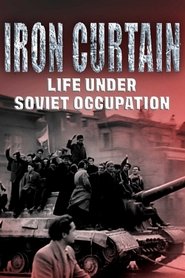
star 7.1How did the Soviet Union impose its communist ideology on the countries of Central and Eastern Europe after World War II? The story of how, from 1945 until the construction of the Berlin Wall in 1961, these countries were gradually subjected to the totalitarian Soviet yoke.FDR
2023
FDR
2023
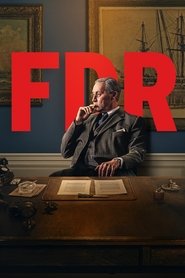
star 6.7The new documentary event will provide an epic portrait of President Franklin Delano Roosevelt, unpacking how his own fight with polio prepared him for the challenges of leading the United States through the Great Depression and World War II. Based upon Goodwin's New York Times bestseller, Leadership: In Turbulent Times, viewers will experience a most harrowing, yet heroic time in history when through grit, commitment and shared sacrifice FDR was the right man at the right time to lead the U.S. and the allied nations, projecting confidence in himself and America.Living with Hitler
2021
Living with Hitler
2021
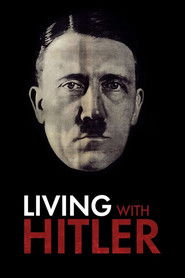
star 8.7The Nazi era from 1993 to 1945 is illustrated through archived material, with insights and anecdotes provided by world-leading experts and commentators.Dates That Made History
2018
star 8.6Historian Patrick Boucheron revisits the most important dates in history through the prisms of memory and collective imagination.History Uncovered
2019
History Uncovered
2019
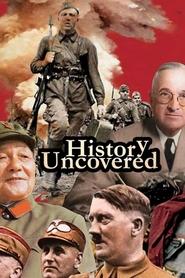
star 7.1Myths die hard, and the history of the 20th century is no exception to this rule. Even today, we hold popular beliefs that we take for Evangelical truths. Thus, we believe that Hiroshima caused Japan to surrender, that the Marshall Plan saved Europe, that Adolf Hitler was a military genius, or that Mao Zedong was a necessary evil for China’s modernization. Of course, these judgements contain some truth; but, too broad-stroked to be accurate, they contradict the historical reality by denying its complexity. What if the truth was slightly different? Through an exploration of great national or international myths, this full archive documentary collection revisits the key moments of the 20th century with a new perspective in order to provide a new, smarter and more subtle interpretation, bringing elements to light that have been forgotten or sometimes overshadowed.The Romanovs
2013
The Romanovs
2013
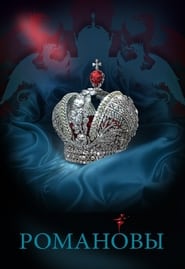
star 6.7An elegantly produced documentary divided into eight parts and running nearly seven hours in length, The Romanovs beautifully encapsulates the epic story of the Russian Dynasty over the course of over three hundred years.Mussolini: The First Fascist
2022
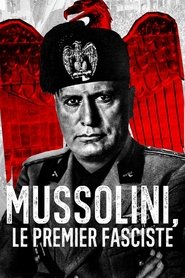
star 8.2Mussolini seized power in Italy in 1922, after his March on Rome. He would hold it in his grasp until his death in 1945, establishing a dictatorship that lasted more than 20 years. Long considered a buffoon and a second-rate dictator, Il Duce invented fascism that was imitated by Hitler, who viewed the Italian as his political master. He wanted to transform his country into a warrior nation and promised Italians a return to the grandeur of the Roman Empire. He governed by violence and trickery and was one of the first populist leaders of modern times, leading his country into the catastrophe of the World War II. But who was Mussolini, this former teacher who came from the extreme left to become a newspaper editor and creator of the Fascist Party? Why did he ally himself with Hitler? Were the Italians really behind him? With archives and interviews with the last-surviving witnesses of the era, this portrait takes a look back at one of the most notorious dictators of the 20th century.A zori zdes tikhie
2005