Top Rated War Politics TV Series on Amazon Video - Page 7
All Services
Free Services
 Netflix
 Amazon Prime Video
 Apple iTunes
 Apple TV Plus
 Disney Plus
 Google Play Movies
 Paramount Plus
 Hulu
Hulu
 HBO Max
 YouTube
 fuboTV
 Peacock
 Peacock Premium
 Amazon Video
 The Roku Channel
 AMC+
AMC on Demand
AMC+
AMC on Demand
 Kocowa
 Hoopla
 The CW
 Vudu
Vudu
 Starz
Starz
 Showtime
 PBS
PBS
 Pantaflix
 FXNow
FXNow
 Tubi TV
 Kanopy
 Comedy Central
 Crunchyroll
 Microsoft Store
 Redbox
 Sun Nxt
 ABC
ABC
 DIRECTV
 Crackle
 Fandor
 Plex
Plex
Netflix
Amazon Prime Video
Apple iTunes
Apple TV Plus
Disney Plus
Google Play Movies
Paramount Plus
Hulu
HBO Max
YouTube
fuboTV
Peacock
Peacock Premium
Amazon Video
The Roku Channel
AMC+
AMC on Demand
Kocowa
Hoopla
The CW
Vudu
Starz
Showtime
PBS
Pantaflix
FXNow
Tubi TV
Kanopy
Comedy Central
Crunchyroll
Microsoft Store
Redbox
Sun Nxt
ABC
DIRECTV
Crackle
Fandor
Plex

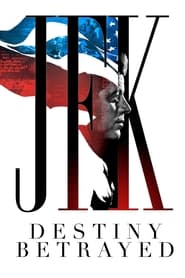
JFK: Destiny Betrayed
2021
star 6.8Thirty years after the release of his film JFK (1991), filmmaker Oliver Stone reviews recently declassified evidence related to the assassination of President John F. Kennedy, which took place in Dallas on November 22, 1963.Tuttle Twins
2021
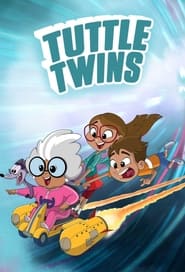
Tuttle Twins
2021
star 8.6The Tuttle Twins show, based on the best-selling books, is the first of its kind cartoon series that aims to instruct while entertaining.Mussolini and I
1985
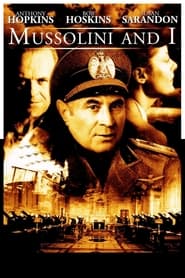
Mussolini and I
1985
star 6World War II is about to end. Benito Mussolini, il Duce, supreme dictator of Fascist Italy, sees his totalitarian dream crumbling and his power slipping away as the terrible day of his ignominious death at the hands of those he so ruthlessly oppressed for more than two decades draws inexorably near.Samurai Warriors
2015
Samurai Warriors
2015
star 6.5In late 16th century, the era of civil war that tore Japan over two centuries is nearing its end and the regional warlords who survived the bloodsheds are ready for a final showdown. In the battlefield where your best ally turns out to be your worst enemy, only the shrewdest can come out alive.Inspector De Luca
2008
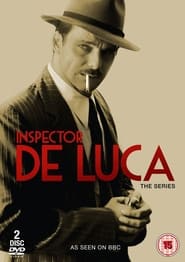
Inspector De Luca
2008
star 6.5Between 1938 and 1948, from the height of Italy s Fascist regime to the end of the tumultuous post-war period, Chief Detective De Luca investigates and solves crimes in the City of Bologna and along the Adriatic coast. With little or no regard for those in power, whoever they happen to be, his solitary, uncompromising character often lands him in trouble, but his respect is reserved for the truth and justice alone. In the four TV movies of the series Unauthorized Investigation , Carte Blanche , The Damned Season and Via Della Oche each taken from a novel by best-selling mystery Carlo Lucarelli Chief Detective De Luca always ultimately gets to the bottom of his cases, though what he finds leaves a bitter aftertaste.Soviet Storm: WW2 in the East
2010
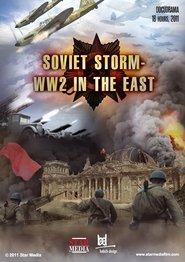
star 8.2The epic television history of the Second World War’s Eastern Front giving an unprecedented Russian perspective on the war’s most decisive and bloody theater.Tanner '88
1988
Tanner '88
1988
star 6.9In 1988, renegade filmmaker Robert Altman and Pulitzer Prize–winning Doonesbury cartoonist Garry Trudeau created a presidential candidate, ran him alongside the other hopefuls during the primary season, and presented their media campaign as a cross between a soap opera and TV news. The result was the groundbreaking Tanner ’88, a piercing satire of media-age American politics.FDR
2023
FDR
2023
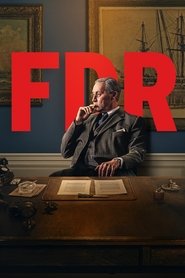
star 6.7The new documentary event will provide an epic portrait of President Franklin Delano Roosevelt, unpacking how his own fight with polio prepared him for the challenges of leading the United States through the Great Depression and World War II. Based upon Goodwin's New York Times bestseller, Leadership: In Turbulent Times, viewers will experience a most harrowing, yet heroic time in history when through grit, commitment and shared sacrifice FDR was the right man at the right time to lead the U.S. and the allied nations, projecting confidence in himself and America.The Rebel
2021
The Rebel
2021
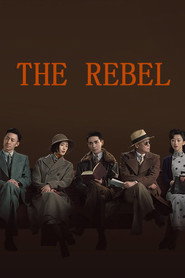
star 8.4After ten years of knowledge and choice, after the victory of the War of Resistance Against Japan, Lin Nansheng has grown into a true Communist Party member. And at the critical moment of the War of Liberation, he made outstanding contributions to the party and the country.Greta Thunberg: A Year to Change the World
2021
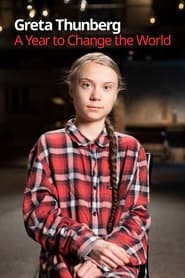
star 3.9This revealing series follows environmental activist Greta Thunberg as she seeks to raise awareness of the accelerating climate change and spread her message, that we must act to drastically reduce our carbon emissions.Living with Hitler
2021
Living with Hitler
2021
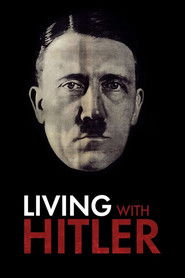
star 8.7The Nazi era from 1993 to 1945 is illustrated through archived material, with insights and anecdotes provided by world-leading experts and commentators.Dates That Made History
2018
star 8.6Historian Patrick Boucheron revisits the most important dates in history through the prisms of memory and collective imagination.History Uncovered
2019
History Uncovered
2019
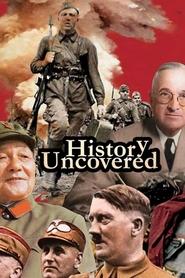
star 7.1Myths die hard, and the history of the 20th century is no exception to this rule. Even today, we hold popular beliefs that we take for Evangelical truths. Thus, we believe that Hiroshima caused Japan to surrender, that the Marshall Plan saved Europe, that Adolf Hitler was a military genius, or that Mao Zedong was a necessary evil for China’s modernization. Of course, these judgements contain some truth; but, too broad-stroked to be accurate, they contradict the historical reality by denying its complexity. What if the truth was slightly different? Through an exploration of great national or international myths, this full archive documentary collection revisits the key moments of the 20th century with a new perspective in order to provide a new, smarter and more subtle interpretation, bringing elements to light that have been forgotten or sometimes overshadowed.The Pacific War in Color
2018
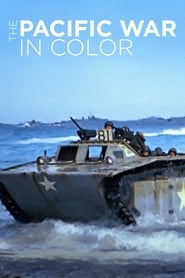
star 7.6Witness iconic assaults, intense battles, and intimate moments of the Pacific War, in color.The Romanovs
2013
The Romanovs
2013
star 6.7An elegantly produced documentary divided into eight parts and running nearly seven hours in length, The Romanovs beautifully encapsulates the epic story of the Russian Dynasty over the course of over three hundred years.The White Guard
2012
The White Guard
2012
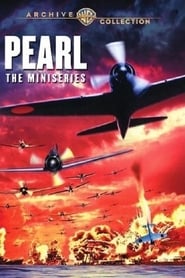
star 4.7The White Guard is a Russian television series, based on the novel by Bulgakov, The White Guard.Pearl
1978
Dogfights
2006
Dogfights
2006
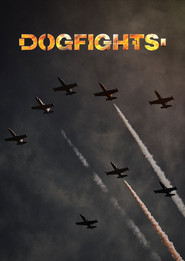
star 7.9Dogfights is a military aviation themed TV series depicting historical re-enactments of air-to-air combat that took place in World War I, World War II, the Korean War, and the Vietnam War, as well as smaller conflicts such as the Gulf War and the Six-Day War. The program, which airs on the History Channel, consists of former fighter pilots sharing their stories of actual dogfights in which they took part, and uses computer-generated imagery to give the viewer a better perspective of what it is like to partake in aerial combat The series premiered on November 3, 2006.FutureWeapons
2006
FutureWeapons
2006
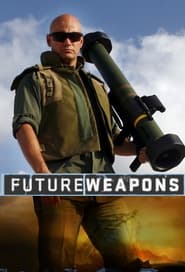
star 7Future Weapons, sometimes also written as FutureWeapons and Futureweapons, is a television series that premiered on April 19, 2006 on the Discovery Channel. Host Richard "Mack" Machowicz, a former Navy SEAL, reviews and demonstrates the latest modern weaponry and military technology. The program is currently broadcast on the Discovery Channel and Military Channel.