Top Rated Family TV Series on Pantaflix - Page 110
All Services
Free Services
 Netflix
 Amazon Prime Video
 Apple iTunes
 Apple TV Plus
 Disney Plus
 Google Play Movies
 Paramount Plus
 Hulu
Hulu
 HBO Max
 YouTube
 fuboTV
 Peacock
 Peacock Premium
 Amazon Video
 The Roku Channel
 AMC+
AMC on Demand
AMC+
AMC on Demand
 Kocowa
 Hoopla
 The CW
 Vudu
Vudu
 Starz
Starz
 Showtime
 PBS
PBS
 Pantaflix
 FXNow
FXNow
 Tubi TV
 Kanopy
 Comedy Central
 Crunchyroll
 Microsoft Store
 Redbox
 Sun Nxt
 ABC
ABC
 DIRECTV
 Crackle
 Fandor
 Plex
Plex
Netflix
Amazon Prime Video
Apple iTunes
Apple TV Plus
Disney Plus
Google Play Movies
Paramount Plus
Hulu
HBO Max
YouTube
fuboTV
Peacock
Peacock Premium
Amazon Video
The Roku Channel
AMC+
AMC on Demand
Kocowa
Hoopla
The CW
Vudu
Starz
Showtime
PBS
Pantaflix
FXNow
Tubi TV
Kanopy
Comedy Central
Crunchyroll
Microsoft Store
Redbox
Sun Nxt
ABC
DIRECTV
Crackle
Fandor
Plex

Flying Wild Alaska
2011
Flying Wild Alaska
2011
star 7Flying Wild Alaska is a documentary television series that aired on Discovery Channel in 2011 and 2012. The show features the Tweto family from Unalakleet, Alaska who run the Alaska airline Era Alaska. They operate the hub operations from Unalakleet. The show also features other segments from their bases in Barrow, Deadhorse, and other places.The Karadag Family
2010
The Karadag Family
2010
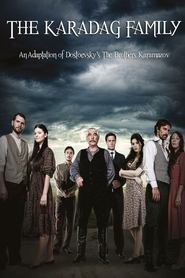
star 6.8The Karadag Family is a story centered around a father and his sons, where love, intrigue and revenge never diminish. Halit Karadag and his sons live in a village, where there’s a big gap between the wealthy lords and poor peasants.Shirt Tales
1982
Shirt Tales
1982
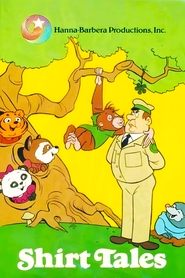
star 8.2Shirt tales is an American animated series that aired on NBC from September 18, 1982 to January 21, 1984. The series featured animal characters, created in 1980 by greeting card designer Janet Elizabeth Manco, that were among Hallmark Cards' best sellers at the time.The Nativity
2010
The Nativity
2010
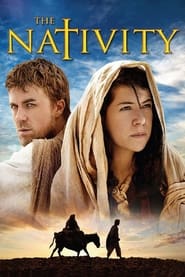
star 8.8Drama revealing the human story beneath the classic biblical tale, from the courtship of Mary and Joseph in Nazareth to the birth of Jesus in a Bethlehem stable.Dragons and Princesses
2010
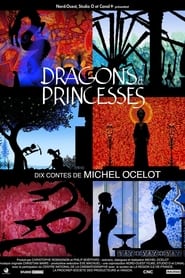
star 8.8Dragons and Princesses is a 2010 French computer animation television program written, storyboarded and directed by Michel Ocelot and produced at Studio O for Canal+. It is a fairy tale anthology series of ten further 13-minute episodes in the format established in Ciné si. Five of the episodes are edited, with a feature-exclusive sixth, into the 2011 stereoscopic compilation movie Tales of the Night.Nana the Supergirl
1983
Nana the Supergirl
1983
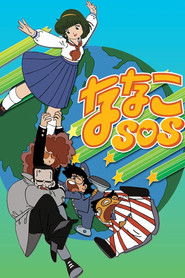
star 8.4Nanako is a young girl who unexpectedly acquires super powers and at the same time loses her past memory.How to Be Indie
2009
How to Be Indie
2009
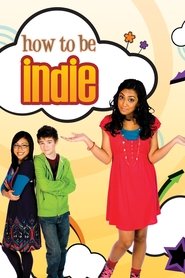
star 5.4How to Be Indie was a Canadian television show on YTV. The main character is a 13-year-old Indian Canadian teenager named Indira "Indie" Mehta. The program is a single-camera series intended for a youth audience. The series was created by Vera Santamaria, John May, and Suzanne Bolch. The series ran for two seasons and aired its final episode on October 24, 2011 on YTV in Canada and May 26, 2012 on Disney Channel in the United Kingdom.Dziewczyna i chłopak
1978
Loenatik
1995
Heavy Gear
2001
Heavy Gear
2001
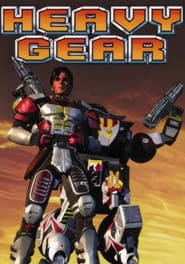
star 7.4Coliseum-type gladiator battles on the planet Terra Nova in the year 6132 pit good robots against bad in this CGI animated series based on the futuristic video game.Nancy Drew
1995
Nancy Drew
1995
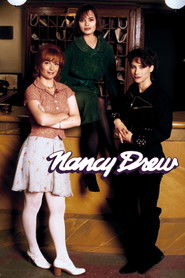
star 6.8Nancy Drew is a curious and fiercely independent 20-year old criminology student whose consummate passion is sloving mysteries.Anjo Selvagem
2001
In For a Penny
2019
In For a Penny
2019
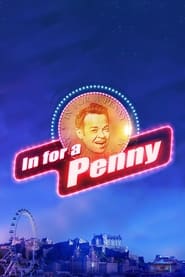
star 8.4Stephen Mulhern presents the pop-up gameshow based on the original 'Saturday Night Takeaway' feature. The host takes their unique brand of games and quizzes to the streets, challenging unsuspecting members of the public for a chance to win.Gumby Adventures
1988
Gumby Adventures
1988
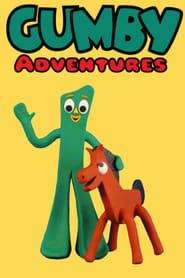
star 8.2The continuous adventures of Gumby and his pals. This time, he runs a farm which includes more pals such as a wooly mammoth, Denali, and a bee, Groobee.The Flying House
1982
The Flying House
1982
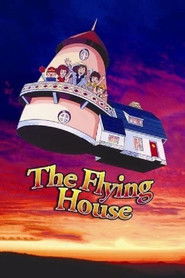
star 7.4Corky, Angey, and Justin are playing hide and seek in the woods when a sudden storm appears and they come upon a house in the woods. They go inside and meet Professor Bumble and his Solar Ion Robot, SIR. They discover the house is a flying time machine and a sudden mishap send them into the past where they end up witnessing events from The Bible's New Testament as they keep trying to get home.Anne of Green Gables: The Animated Series
2001
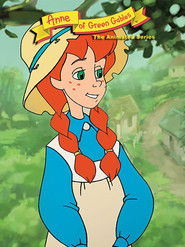
star 6.6Anne: The Animated Series was a half-hour animated television show produced by Sullivan Entertainment and created by writer/director/producer Kevin Sullivan. The series was developed for PBS and each episode contained an educational aspect. Each show had a problem for one or more of the show’s characters to face and solve. In conjunction with these problems, PBS “Ready-to-Learn” guides were created for teachers in America to use in the classrooms. The educational objectives of the show support a child’s development of his/her identity, reinforced through lateral thinking and the use of a child’s magnitude to absorb daily challenges, and it also appeared on some VHS tapes from Lyrick Studios, HiT Entertainment and Nest Family Entertainment. More recently, Sullivan Entertainment has re-written the “Ready-to-Learn” educational guides for the not-for-profit organization Free the Children. Free the Children will implement these Anne Lesson Plans in the Kenyan Schools they haveAnimated Tales of the World
2001
star 7.6An animated anthology adapting a unique story from different countries around the world, with each episode featuring a different art style. It was the largest co-production in the history of broadcast television, involving 39 countries.Nozomi in the Sun
1971
Nozomi in the Sun
1971
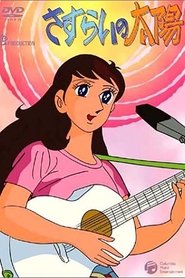
star 5.6Two baby girls were born in the same hospital: one of them is the daughter of an aristocratic family while the other belongs to a deprived household which lives in the slums of the city. However, the nurse-in-charge, Michiko, secretly switches the two babies due to a personal grudge, resulting in a change of fates of the girls from then on. Many years later, the lives of the two girls continue to be intertwined with each other, with the rich Miki ill-treating the poor Nozomi, yet both of them hold similar dreams to become a singer.Jul i Skomakergata
1979
Jul i Skomakergata
1979
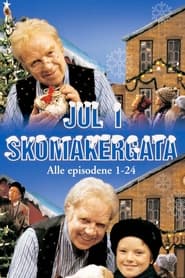
star 7.6Jul i Skomakergata is a Norwegian TV-show produced in 1979. It is a televised advent calendar, meaning it is broadcast from December 1 to December 24. It has been broadcast several times in Norway by NRK and is one of the most treasured programs in Norwegian television history. The story revolves around shoe repairer Jens Petrus Andersen, played by Henki Kolstad, and his shop. He is visited by friends and townspeople who need their shoes repaired before Christmas. A part of the show consists of showing a clip from Sandmännchen which tells children about the United Nations' Convention on the Rights of the Child. In 2006, the Norwegian comedian Zahid Ali created an advent calendar show called Jul i Tøyengata, a parody of Jul i Skomakergata which shows a multicultural street in Oslo and deals with problems such as racism and cultural clashes.Doobidoo
2005
Doobidoo
2005
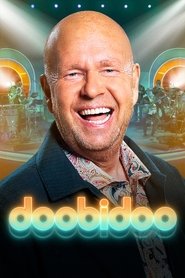
star 6.2Doobidoo is a Swedish musical game show first aired in 2005 on the public service network SVT. There is also a Polish, TVP2, version called Dubidu - show host Piotr Gasowski - and an Australian version that goes by You may be right, hosted by Todd McKenney The Swedish version of the show is hosted by entertainment personality Lasse Kronér.