Top Rated News TV Series on Pantaflix - Page 14
All Services
Free Services
 Netflix
 Amazon Prime Video
 Apple iTunes
 Apple TV Plus
 Disney Plus
 Google Play Movies
 Paramount Plus
 Hulu
Hulu
 HBO Max
 YouTube
 fuboTV
 Peacock
 Peacock Premium
 Amazon Video
 The Roku Channel
 AMC+
AMC on Demand
AMC+
AMC on Demand
 Kocowa
 Hoopla
 The CW
 Vudu
Vudu
 Starz
Starz
 Showtime
 PBS
PBS
 Pantaflix
 FXNow
FXNow
 Tubi TV
 Kanopy
 Comedy Central
 Crunchyroll
 Microsoft Store
 Redbox
 Sun Nxt
 ABC
ABC
 DIRECTV
 Crackle
 Fandor
 Plex
Plex
Netflix
Amazon Prime Video
Apple iTunes
Apple TV Plus
Disney Plus
Google Play Movies
Paramount Plus
Hulu
HBO Max
YouTube
fuboTV
Peacock
Peacock Premium
Amazon Video
The Roku Channel
AMC+
AMC on Demand
Kocowa
Hoopla
The CW
Vudu
Starz
Showtime
PBS
Pantaflix
FXNow
Tubi TV
Kanopy
Comedy Central
Crunchyroll
Microsoft Store
Redbox
Sun Nxt
ABC
DIRECTV
Crackle
Fandor
Plex

Le Petit Journal
2011
Le Petit Journal
2011
star 6.7Le Petit Journal is a French TV show broadcast that airs every weekday on Canal+, hosted by journalist Yann Barthès since its beginning in 2004. It was a part of the TV show Le Grand Journal until 2011, when it became independent. Le Petit Journal presents the news in an offset and funny way.Redes
2008
Bits
1999
Bits
1999
star 7.3Channel 4's cult late night review show which was originally shown on 4Later before getting a (less risque) morning slot on T4. It's a computer gaming show whose reviewers were three women who actually knew their stuff. Each week featured an unconventional theme running through the show backed up by news, previews and reviews.News TV Live
0000
News TV Live
0000
star 5.3News TV Live is an hourly news update of GMA News TV in the Philippines and it also serves for live coverage like the Senate and House of Representatives investigations and hearings. It features different news of the day as well as foreign exchange rate and the stock market. The news update always ends with live traffic updates from different key roads in Metro Manila via GMA Traffic System.Zone interdite
1993
Zone interdite
1993
star 6For thirty years, Zone Interdite has been the magazine that documents and analyzes the upheavals in French society. Conducted over time, the investigations broadcast in the program reveal the taboos, passions, and struggles of the French people at the heart of current events.Morgenmagazin
1992
OK! TV
2011
OK! TV
2011
star 5.7OK! TV is an early evening magazine programme, broadcast on Channel 5 as a brand extension of celebrity title OK! Magazine. It replaced the former magazine and discussion show Live from Studio Five on 14 February 2011, and was presented by Kate Walsh and Matt Johnson, both of whom later left the programme. Jeff Brazier and Jenny Frost replaced Walsh and Johnson in August 2011 and presented the show until its cancellation. The show was made by the 5 News team and produced by Sky News for Channel 5. On 8 November 2011, it was announced that the show has been cancelled by Channel 5. The show aired its final edition on 16 December after ten months on air due to the contract for 5 News returning to ITN.Groland
1992
Groland
1992
star 7.7Parodic news programme focusing on the fictional country Groland (full name: Presipality of Groland), airing on French television channel Canal+.Sportschau
1961
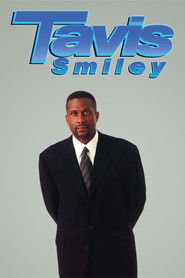
Tavis Smiley
2004
Tavis Smiley
2004
star 7.3Tavis Smiley features a unique mix of news and pop culture to combine for one thought-provoking and entertaining program. A hybrid of news, issues and entertainment, it features interviews with artists, activists, newsmakers, politicians and everyday people. Since its first season, the show has won four NAACP Image Awards for "Outstanding Television, News, Talk, or Information (Series or Special)." Taped at KCET studios, Tavis Smiley is the first West Coast talk show for PBS and is produced by The Smiley Group Inc./TS Media Inc. in association with KCET/Hollywood.First Person
2000
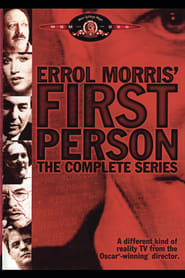
First Person
2000
star 8.3First Person was an American TV series produced and directed by Errol Morris. The show engaged a varied group of individuals from civil advocates to criminals. Interviews were conducted with "The Interrotron", a device similar to a teleprompter: Errol and his subject each sit facing a camera. The image of each person's face is then projected onto a two-way mirror positioned in front of the lens of the other's camera. Instead of looking at a blank lens, then, both Morris and his subject are looking directly at a human face. Morris believes that the machine encourages monologue in the interview process, while also encouraging the interviewees to "express themselves to camera".The Twentieth Century
1957
star 8The Twentieth Century is a long-running CBS documentary television series that aired from 1957 to 1966, sponsored throughout its run by the Prudential Insurance Company and narrated by Walter Cronkite. Drawing on the resources of CBS News, the series produced both historical compilation documentaries and originally photographed contemporary reports, presenting major political, cultural, scientific, and social developments that shaped the modern world. Episodes combined newsreel footage, eyewitness testimony, and on-location reporting, covering subjects ranging from global conflicts and political change to arts, science, and international social transformation. Popular with audiences and critically respected, the series functioned as a formative model for later American television documentary programming and helped establish the compilation-documentary format as a central mode of broadcast nonfiction.Discover Magazine
1996
Discover Magazine
1996
star 8Discover Magazine is a 1992-2000 documentary television series that aired on the Disney Channel from 1992-1994 and then on The Science Channel from 1996-2000. The series is named after the magazine of the same name, Discover Magazine. The Disney Channel series was narrated by actor Joseph Campanella. The Science Channel series was hosted by Peter DeMeo from 1996-1998. The series was nominated for an Emmy Award for "Outstanding Informational Series" in 1996, 1997 for "Outstanding Non-Fiction Series", and 1 other time The series was created by producer-director Les Guthman at the Walt Disney Company in 1991, after Mr. Guthman licensed the television rights to Discover Magazine from Family Media in 1990. Mr. Guthman produced the series for two seasons on The Disney Channel, 1992-1994, and then working with Disney President and CEO Frank Wells sold the series to Discovery Communications in late 1994, after The Disney Channel abandoned its family-adult prime time schedule.Watchdog
1985
Watchdog
1985
star 6Watchdog is a BBC television series that investigates viewers' reports of problematic experiences with traders, retailers, and other companies around the UK. It has had great success in changing the awareness consumers have of their purchasing rights and in changing policies of companies, closing down businesses, and pushing for law changes. It is shown on BBC One and is available for online viewing or download via BBC iPlayer.The Big Questions
2007
The Big Questions
2007
star 6.7Nicky Campbell hosts a series of moral, ethical and religious debates.The Money Programme
1966
VH1 Rock Honors
2006
VH1 Rock Honors
2006
star 7The VH1 Rock Honors were an annual ceremony paying homage to bands who influenced the sound of rock music. The events began in 2006, and the final event took place in 2008. The general format of each show is for modern bands to "pay tribute" to classic greats of the rock/metal world, after which time the artist being paid tribute to plays multiple songs. The 2006 and 2007 shows featured four inductees each, whereas the 2008 show featured one, albeit with multiple bands paying tribute. The shows were directed by David Mallet and produced by Paul Flattery. Currently, VH1 has no plans for a CD or DVD release of any show.Revolver
1978
Revolver
1978
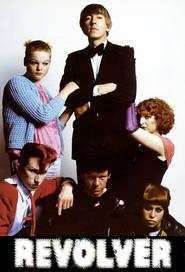
star 8Revolver is a British music TV series on ITV that ran for one series only, of eight episodes, in 1978. It was produced by ATV. The series producer was Mickie Most, who was inspired to make the programme after he saw an interview with Top of the Pops' producer Robin Nash, in which he boasted that TOTP was a music programme that the whole family could enjoy together. Most set out to make a show which was the antithesis of that, and which featured live music performances most closely related to the then emergent Punk rock and New Wave music scenes - though it also included other more mainstream artists such as Kate Bush, Dire Straits and Lindisfarne. The official host of the programme was Chris Hill, but it is remembered more for the contributions of Peter Cook. Cook played the manager of the fictional ballroom where the show was supposedly taking place, and frequently made disparaging remarks about the acts appearing.W5
0000
W5
0000
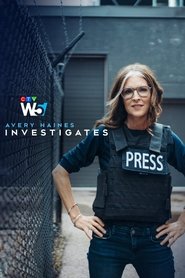
star 7Avery Haines leads the new W5 Investigative Unit, showcasing her daring and immersive reporting.Washington Week with The Atlantic
1967
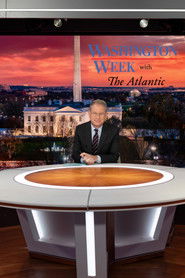
star 9.7Journalists participate in a round-table discussion of news events in this award-winning public affairs series. It first aired in 1967, making it the longest-running prime-time news and public affairs program on television.