Top Rated Drama TV Series on Plex - Page 12
All Services
Free Services
 Netflix
 Amazon Prime Video
 Apple iTunes
 Apple TV Plus
 Disney Plus
 Google Play Movies
 Paramount Plus
 Hulu
Hulu
 HBO Max
 YouTube
 fuboTV
 Peacock
 Peacock Premium
 Amazon Video
 The Roku Channel
 AMC+
AMC on Demand
AMC+
AMC on Demand
 Kocowa
 Hoopla
 The CW
 Vudu
Vudu
 Starz
Starz
 Showtime
 PBS
PBS
 Pantaflix
 FXNow
FXNow
 Tubi TV
 Kanopy
 Comedy Central
 Crunchyroll
 Microsoft Store
 Redbox
 Sun Nxt
 ABC
ABC
 DIRECTV
 Crackle
 Fandor
 Plex
Plex
Netflix
Amazon Prime Video
Apple iTunes
Apple TV Plus
Disney Plus
Google Play Movies
Paramount Plus
Hulu
HBO Max
YouTube
fuboTV
Peacock
Peacock Premium
Amazon Video
The Roku Channel
AMC+
AMC on Demand
Kocowa
Hoopla
The CW
Vudu
Starz
Showtime
PBS
Pantaflix
FXNow
Tubi TV
Kanopy
Comedy Central
Crunchyroll
Microsoft Store
Redbox
Sun Nxt
ABC
DIRECTV
Crackle
Fandor
Plex

Jericho
2016
Jericho
2016
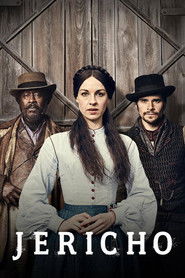
star 6.3In the Yorkshire Dales in the 1870s, the shantytown of Jericho is the home of a community that will live, thrive and die in the shadow of the viaduct they've been brought together to build.Glue
2014
Glue
2014
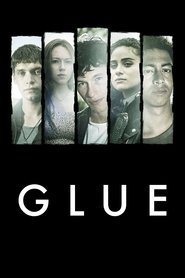
star 6.1Overton is a small, countryside village where farming is its bread and butter and race horses are its beating heart. When the body of a local resident is found under a tractor, destructive forces are unleashed and the entire community is forced to watch their secrets exposed... chilling secrets that will change their particular way of life forever.Arn: The Knight Templar
2010
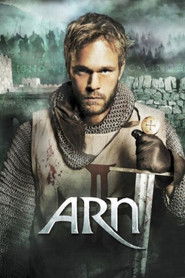
star 7.6Arn has to endure so much before he can get the love of his life Cecilie, who has been put away in a monastery.Prisoners of War
2010
Prisoners of War
2010
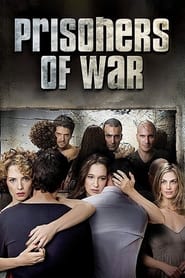
star 7After 17 years in captivity, Israeli soldiers Nimrode Klein, Uri Zach, and Amiel Ben Horin return home to the country that made them national icons. They work to overcome the trauma of torture and captivity while settling back into their interrupted family lives. Meanwhile, the military psychiatrist assigned to them finds discrepancies in the soldiers' testimonies, and launches an investigation to discover what they are hiding.The Commish
1991
The Commish
1991
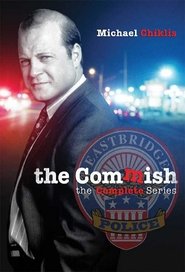
star 7.1Tony Scali is a former Brooklyn cop now the Police Commissioner of a small upstate city. But for Scali, this is no desk job. He's a tough yet compassionate boss, a loving husband and father, and a hands-on law enforcer with an unorthodox style of bending the rules. From parenthood to politics, from sex crimes to murder cases, one man takes it day-to-day with offbeat humor and street- smart skill.Sapphire & Steel
1979
Sapphire & Steel
1979
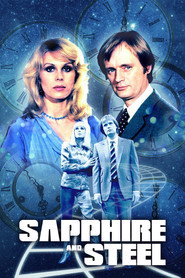
star 7Sapphire & Steel is a British television science-fiction fantasy series starring David McCallum as Steel and Joanna Lumley as Sapphire. Produced by ATV, it ran from 1979 to 1982 on the ITV network. The series was created by Peter J. Hammond who conceived the programme under the working title The Time Menders, after a stay in an allegedly haunted castle. Hammond also wrote all the stories except for the fifth, which was co-written by Don Houghton and Anthony Read. None of the stories had onscreen titles, or any official titles assigned by the writers. The Region 1 Complete Series DVD release gives the titles "Escape Through a Crack in Time", "The Railway Station", "The Creature's Revenge", "The Man Without a Face", "Dr. McDee Must Die" and "The Trap", respectively. These titles have often been cited as having been created by science fiction magazine Time Screen.The Tribe
1999
The Tribe
1999
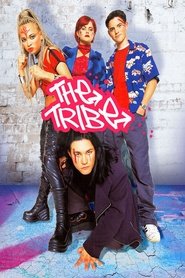
star 7All adults have been wiped out by a deadly virus, leaving the children of the world to fend for themselves.Moonshine
2021
Moonshine
2021
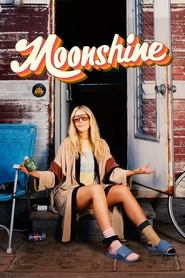
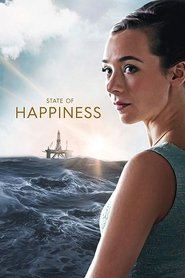
star 5.9The Finley-Cullens are a dysfunctional family of adult half-siblings battling to take control over the family business - a ramshackle summer resort on the South Shore of Nova Scotia, one septic tank away from bankruptcy and with a dark family secret at its core.State of Happiness
2018
State of Happiness
2018
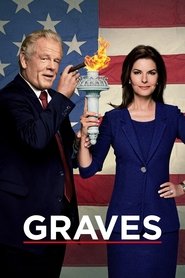
star 6.8The night before Christmas 1969, the gas flare at the Ocean Viking is lit. Phillips has found the largest sub sea oil basin in history. And everything is about to change.Graves
2016
Graves
2016
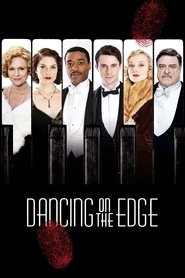
star 5Former two-term President Richard Graves embarks on a Don Quixote-like quest to right the wrongs of his administration and reclaim his legacy 25 years after leaving the White House. His enlightenment takes place just as his wife Margaret Graves decides it’s finally time for her to pursue her own political ambitions.Dancing on the Edge
2013
Dancing on the Edge
2013
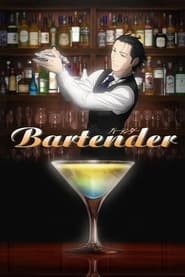
star 6.7An explosive 1930s drama following a jazz band in London at a time of huge change.Bartender
2006
Bartender
2006
star 7.9Genius bartender, Sasakura Ryuu makes the most incredible cocktails anyone has ever tasted. Seeking his "Glass of God", individuals from all different walks of life visit his bar. With both a compassionate ear and a godly drink, Ryuu helps people with their problems.Cheyenne
1955
Cheyenne
1955
star 6.2Cheyenne Bodie was a big man, a former army scout who went west after the American Civil War and drifted from job to job, here a cowboy, there a lawman, and always a larger-than-life hero. CHEYENNE is an American western television series of 108 black-and-white episodes broadcast on ABC from 1955 to 1963. The show was the first hour-long western, and in fact the first hour-long dramatic series of any kind, with continuing characters, to last more than one season. It was also the first series to be made by a major Hollywood film studio which did not derive from its established film properties, and the first of a long chain of Warner Brothers original series produced by William T. Orr.Ridley Road
2021
Ridley Road
2021
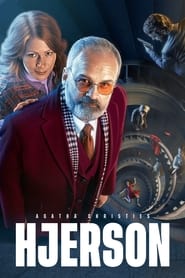
star 6.3During London's swinging sixties, young Jewish Vivien Epstein follows her lover into danger and when he is caught between life and death, she finds herself going undercover with the fascists, not only for him but for the sake of her country.Agatha Christie's Hjerson
2021
star 6Swedish murder investigator Sven Hjerson forms an unexpected detective duo with stubborn TV producer Klara after several years of isolation. Will she also manage to recruit him for her new TV show?Monsters
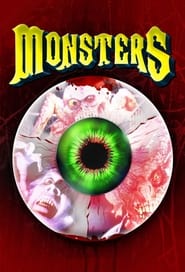
1988
Monsters
1988
star 7Monsters is a syndicated horror anthology series which originally ran from 1988 to 1991 and reran on the Sci-Fi Channel during the 1990s. Similarly to Tales from the Darkside, Monsters shared the same producer, and in some ways succeeded the show. It differed in some respects nonetheless. While Tales sometimes dabbled in stories of science fiction and fantasy, this series was more strictly horror. As the name implies, each episode features a different monster, from the animatronic puppet of a fictional children's television program to mutated, weapon-wielding lab rats.Highlander: The Raven
1998
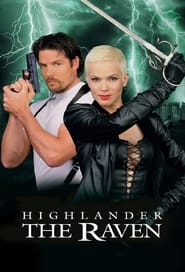
star 5.4Highlander: The Raven was a short-lived spin-off from the television series Highlander, continuing the saga of a female Immortal. The series followed the character of Amanda, an Immortal who had a recurring role in Highlander: The Series. The series was filmed in Toronto, Ontario, Canada and Paris, France and was produced by Gaumont Télévision and Fireworks Media in association with Davis-Panzer Productions.The F.B.I.
1965
The F.B.I.
1965
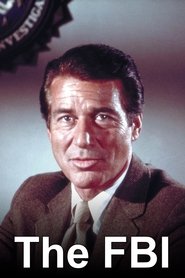
star 5.6The F.B.I. is an American television series that was broadcast on ABC from 1965 to 1974. It was sponsored by the Ford Motor Company, and the characters almost always drove Ford vehicles in the series. Alcoa was co-sponsor of Season One only.Danger Man
1960
Danger Man
1960
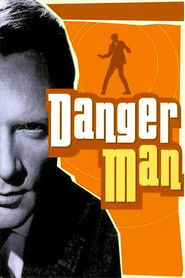
star 7.3Danger Man is a British television series which was broadcast between 1960 and 1962, and again between 1964 and 1968. The series featured Patrick McGoohan as secret agent John Drake. Ralph Smart created the programme and wrote many of the scripts. Danger Man was financed by Lew Grade's ITC Entertainment.The Book of Negroes
2015
The Book of Negroes
2015
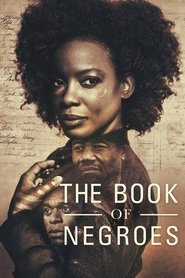
star 6.6Kidnapped in Africa and subsequently enslaved in South Carolina, Aminata must navigate a revolution in New York, isolation in Nova Scotia and treacherous jungles of Sierra Leone, in an attempt to secure her freedom in the 19th century.