Top Rated Crime TV Series on Tub Tv - Page 357
All Services
Free Services
 Netflix
 Amazon Prime Video
 Apple iTunes
 Apple TV Plus
 Disney Plus
 Google Play Movies
 Paramount Plus
 Hulu
Hulu
 HBO Max
 YouTube
 fuboTV
 Peacock
 Peacock Premium
 Amazon Video
 The Roku Channel
 AMC+
AMC on Demand
AMC+
AMC on Demand
 Kocowa
 Hoopla
 The CW
 Vudu
Vudu
 Starz
Starz
 Showtime
 PBS
PBS
 Pantaflix
 FXNow
FXNow
 Tubi TV
 Kanopy
 Comedy Central
 Crunchyroll
 Microsoft Store
 Redbox
 Sun Nxt
 ABC
ABC
 DIRECTV
 Crackle
 Fandor
 Plex
Plex
Netflix
Amazon Prime Video
Apple iTunes
Apple TV Plus
Disney Plus
Google Play Movies
Paramount Plus
Hulu
HBO Max
YouTube
fuboTV
Peacock
Peacock Premium
Amazon Video
The Roku Channel
AMC+
AMC on Demand
Kocowa
Hoopla
The CW
Vudu
Starz
Showtime
PBS
Pantaflix
FXNow
Tubi TV
Kanopy
Comedy Central
Crunchyroll
Microsoft Store
Redbox
Sun Nxt
ABC
DIRECTV
Crackle
Fandor
Plex

No-Go Zones - The World's Toughest Places
2019
star 9No-Go Zones - The World's Toughest Places reveals what it really means to be part of some of the world's most infamous microcosms. Highly criminal hoods, occupied blocks, red light districts. At each location the audience will walk and talk with the people who are part of these places, to them the streets, corners, bars and prisons are at the same time both their homes and a way of life.Tenshi no Naifu
2015
Tenshi no Naifu
2015
star 8Takashi Hiyama works as a cafe manager. He has lived alone with his 4-year-old daughter since the death of his wife Shoko. Shoko was killed by three 13-year-old boys 4 years ago. The three boys were protected by the Juvenile Act, but Takashi and Shoko's mother were hounded by the media and their lives exposed. Now, even though Shoko's friend (Kana Kurashina) and cafe employee (Yudai Chiba) try to dissuade Takashi, he begins to search secretly for the three boys. Someone then makes an attempt on the boys' lives one by one. Detectives suspect Takshi as he made threats in the media 4 years ago that he would seek out revenge if the boys were not prosecuted. Meanwhile, Takashi tries to find the truth about the three boys.Nomade 7
2016
Nomade 7
2016
Involved with drug dealers, a rich guy is brutally murdered, but he mysteriously wakes up the next day at home. Without understanding what happened, he has the mind invaded by a strange voice and goes on to exhibit superhuman abilities.リミット もしも、わが子が…
2000
Les Redoutables
2001
Les Redoutables
2001
star 8A series of thirteen ten-minute short films with a dual theme of comedy and suspense.Dødelig kjemi
1992
Dødelig kjemi
1992
star 10A Danish policeman convalescing in Norway is reluctantly drawn into dramatic events at a high mountain hotel.Murder in the Outback
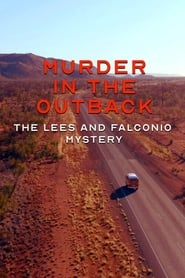
2020
star 6.5A major, revealing in-depth re-examination of the Falconio and Lees mystery, an infamous case from 2001 concerning a horror story of abduction and death on a lonely Australian highway.Высад
2019
Proof of the Man
2004
Proof of the Man
2004
star 7This crime thriller follows a Japanese detective, Takeshi Munesue (played by Yutaka Takenouchi), as he investigates the murder of a Black American man found dead in a Tokyo hotel. Munesue partners with a New York detective to unravel the mystery, delving into the victim’s complex past and secrets that stretch across Japan and the U.S. As they piece together clues, the detectives confront their own pasts and prejudices, exploring themes of identity, racism, and justice. The show is based on Seicho Matsumoto's 1976 novel, with some modern adaptations for the series.Адмиралы района
2020
ホラー アクシデンタル
2013
Kantora Mitrani
0000
Kantora Mitrani
0000
star 9A blind lawyer tries to solve many cases with the help of his two underlings.Murderous Minds: Inside Serial Killers
2018
star 8Regarding criminality, not many genres inspire as much horror and revulsion as that of a serial killer. A predator in the most savage form. A beastly figure usually preying on the weak, innocent and vulnerable. Deeply-embedded negative and sometimes horrific experiences are the usual catalysts for their reign of terror. Take a look inside these murderous minds.If I Should Die
2020
If I Should Die
2020
star 8Investigators piece together murder mysteries and seek insight into the victims' lives - and sometimes into their darkest secrets.Ipaglaban Mo
1988
Ipaglaban Mo
1988
star 6Ipaglaban Mo!, also known as Kapag nasa Katwiran, Ipaglaban Mo!, is a dramatization of actual cases brought and settled in the Supreme Court and Court of Appeals. It appeals to the general public because of the wide range of issues tackled.Не в деньгах счастье
2005
Gryningspyromanen
2019
Gryningspyromanen
2019
star 8For over thirty years, parts of Sweden lived in fear of a man who came to be known as the Dawn Pyroman. The police suspect him of having started over a hundred fires.Time of the Gypsies
1990
Time of the Gypsies
1990
Perhan is a gypsy teenager with telekinetic powers. A wealthy gypsy, Ahmed, visits the village and promises to get Perhan's sister the medical treatment she needs if they join him to Italy. Perhan soon discovers that Ahmed's business activities are in fact quite shady and he is soon lured into the elder's corrupt surroundings. An extended television version of Kusturica's 1988 film of the same name.