Top Rated Family TV Series on Tub Tv - Page 110
All Services
Free Services
 Netflix
 Amazon Prime Video
 Apple iTunes
 Apple TV Plus
 Disney Plus
 Google Play Movies
 Paramount Plus
 Hulu
Hulu
 HBO Max
 YouTube
 fuboTV
 Peacock
 Peacock Premium
 Amazon Video
 The Roku Channel
 AMC+
AMC on Demand
AMC+
AMC on Demand
 Kocowa
 Hoopla
 The CW
 Vudu
Vudu
 Starz
Starz
 Showtime
 PBS
PBS
 Pantaflix
 FXNow
FXNow
 Tubi TV
 Kanopy
 Comedy Central
 Crunchyroll
 Microsoft Store
 Redbox
 Sun Nxt
 ABC
ABC
 DIRECTV
 Crackle
 Fandor
 Plex
Plex
Netflix
Amazon Prime Video
Apple iTunes
Apple TV Plus
Disney Plus
Google Play Movies
Paramount Plus
Hulu
HBO Max
YouTube
fuboTV
Peacock
Peacock Premium
Amazon Video
The Roku Channel
AMC+
AMC on Demand
Kocowa
Hoopla
The CW
Vudu
Starz
Showtime
PBS
Pantaflix
FXNow
Tubi TV
Kanopy
Comedy Central
Crunchyroll
Microsoft Store
Redbox
Sun Nxt
ABC
DIRECTV
Crackle
Fandor
Plex

Gumby Adventures
1988
Gumby Adventures
1988
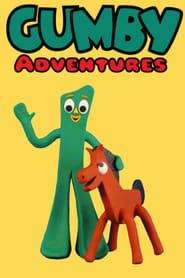
star 8.2The continuous adventures of Gumby and his pals. This time, he runs a farm which includes more pals such as a wooly mammoth, Denali, and a bee, Groobee.The Flying House
1982
The Flying House
1982
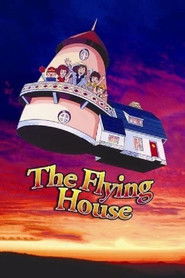
star 7.4Corky, Angey, and Justin are playing hide and seek in the woods when a sudden storm appears and they come upon a house in the woods. They go inside and meet Professor Bumble and his Solar Ion Robot, SIR. They discover the house is a flying time machine and a sudden mishap send them into the past where they end up witnessing events from The Bible's New Testament as they keep trying to get home.Anne of Green Gables: The Animated Series
2001
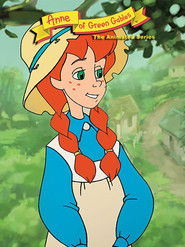
star 6.6Anne: The Animated Series was a half-hour animated television show produced by Sullivan Entertainment and created by writer/director/producer Kevin Sullivan. The series was developed for PBS and each episode contained an educational aspect. Each show had a problem for one or more of the show’s characters to face and solve. In conjunction with these problems, PBS “Ready-to-Learn” guides were created for teachers in America to use in the classrooms. The educational objectives of the show support a child’s development of his/her identity, reinforced through lateral thinking and the use of a child’s magnitude to absorb daily challenges, and it also appeared on some VHS tapes from Lyrick Studios, HiT Entertainment and Nest Family Entertainment. More recently, Sullivan Entertainment has re-written the “Ready-to-Learn” educational guides for the not-for-profit organization Free the Children. Free the Children will implement these Anne Lesson Plans in the Kenyan Schools they haveAnimated Tales of the World
2001
star 7.6An animated anthology adapting a unique story from different countries around the world, with each episode featuring a different art style. It was the largest co-production in the history of broadcast television, involving 39 countries.A Twist in the Tale
1999
A Twist in the Tale
1999
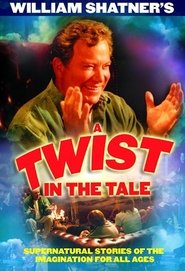
star 5A Twist in the Tale is a 1998 TV series starring William Shatner. Willam Shatner's A Twist In The Tale was a 15 episode short lived television series in the late 1990s. Every week the narrator/host would have a group of children he would tell a story to. The main children were always in the story itself.Nozomi in the Sun
1971
Nozomi in the Sun
1971
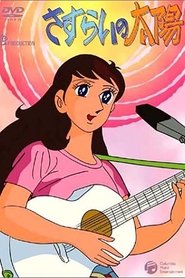
star 5.6Two baby girls were born in the same hospital: one of them is the daughter of an aristocratic family while the other belongs to a deprived household which lives in the slums of the city. However, the nurse-in-charge, Michiko, secretly switches the two babies due to a personal grudge, resulting in a change of fates of the girls from then on. Many years later, the lives of the two girls continue to be intertwined with each other, with the rich Miki ill-treating the poor Nozomi, yet both of them hold similar dreams to become a singer.Jul i Skomakergata
1979
Jul i Skomakergata
1979
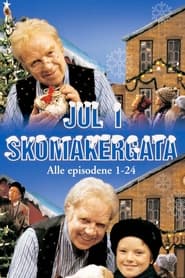
star 7.6Jul i Skomakergata is a Norwegian TV-show produced in 1979. It is a televised advent calendar, meaning it is broadcast from December 1 to December 24. It has been broadcast several times in Norway by NRK and is one of the most treasured programs in Norwegian television history. The story revolves around shoe repairer Jens Petrus Andersen, played by Henki Kolstad, and his shop. He is visited by friends and townspeople who need their shoes repaired before Christmas. A part of the show consists of showing a clip from Sandmännchen which tells children about the United Nations' Convention on the Rights of the Child. In 2006, the Norwegian comedian Zahid Ali created an advent calendar show called Jul i Tøyengata, a parody of Jul i Skomakergata which shows a multicultural street in Oslo and deals with problems such as racism and cultural clashes.Doobidoo
2005
Doobidoo
2005
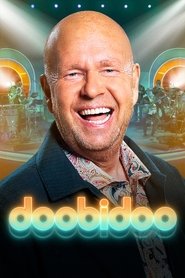
star 6.2Doobidoo is a Swedish musical game show first aired in 2005 on the public service network SVT. There is also a Polish, TVP2, version called Dubidu - show host Piotr Gasowski - and an Australian version that goes by You may be right, hosted by Todd McKenney The Swedish version of the show is hosted by entertainment personality Lasse Kronér.Shrimaan Shrimati
1994
Shrimaan Shrimati
1994
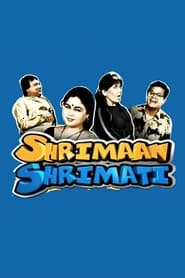
star 8.4Shrimaan Shrimati is a sitcom that first aired on Doordarshan in 1994. It starred Jatin Kanakia, Rakesh Bedi, Reema Lagoo and Archana Puran Singh in the lead roles. The story involves two neighbours Keshav and Dilruba who covet each other's wives more than their own. Hilarity ensues when they try their level best to flirt with and get closer to each other's wives.Nonni und Manni
1988
Nonni und Manni
1988
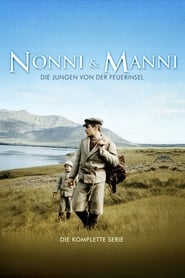
star 8.6Nonni and Manni is a children's television series produced as a joint venture between Iceland and West Germany. It debuted on 26 December 1988 on West Germany's ZDF channel and lasted for six episodes with the last one being aired on 1 January 1989. The story was based on the eponymous book written by the popular Icelandic children's author Jón Sveinsson, nicknamed "Nonni", who had written several books inspired by his own experiences of growing up alongside his brother Ármann, nicknamed "Manni". The filming for the series took place in Iceland, West Germany and Norway.Jul i Valhal
2005
Jul i Valhal
2005
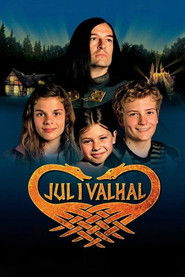
star 8.4Jul i Valhal is a Danish television advent calendar. It first aired in the December 2005 on TV 2 Denmark television station, on TV 2 Norway in December 2006 and in December 2007 on the Swedish Barnkanalen. In 2008 it is being aired in Finland on Yle2. As a television advent calendar, it has 24 episodes, and one new episode was aired per day from December 1 to December 24. Jul i Valhal is primarily about two children named Jonas and Sofie, and their adventures with the Norse gods.Just One Love
2006
Just One Love
2006
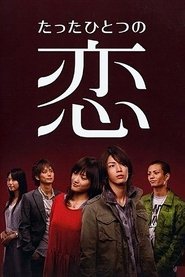
star 6.9In Yokohama a modern port city, Hiroto Kanzaki works hard in a ship repair factory, supporting his sick mother and younger brother. Tsukioka Nao is the rich daughter of a jewelry shop owner, and studies at an upscale college. This drama is about their love, and all he obstacles they encounter because of their different social backgrounds.Lazer Tag Academy
1986
Lazer Tag Academy
1986
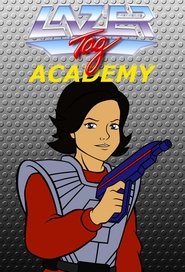
star 7Lazer Tag Academy is an animated television series inspired by Worlds of Wonder's Lazer Tag that was created by Ruby-Spears Productions. The series aired on NBC from September 13 to December 6, 1986. It was later shown in reruns under the new title Lazer Patrol on the Sci Fi Channel as part of Sci Fi Cartoon Quest.Bootleg
2002
Bootleg
2002
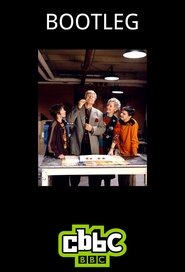
star 7.4Based on the book of the same name by Alex Shearer; a new political party called the "Good for You" (abbreviated as GFY) which comes into power and bans chocolate. Two kids named Smudger Moore and Huntley Hunter want to get their chocolate back. They begin by selling bootleg chocolate, and go on to join an underground resistance organization.Bruno the Kid
1996
Bruno the Kid
1996
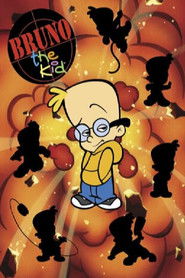
star 6.8A boy genius goes on dangerous missions as the world's youngest spy, while trying to keep his side job hidden from his parents and classmates.Sky
1975
Sky
1975
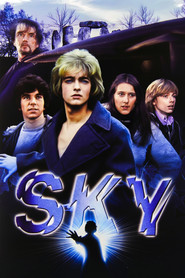
star 6.4A young time-traveller with superhuman powers is stranded on Earth after running into a Black Hole. Pursued by the evil Goodchild, Sky is helped on his quest to find a way home by three human teenagers, Arby, Jane and Roy.Wind at My Back
1996
Wind at My Back
1996
star 9A recently widowed mother loses her children to a cold mother-in-law in Ontario during the Great Depression of the 1930s. Based loosely on the books "Never Sleep Three in a Bed" and "The Night We Stole the Mounties’ Car" by Max BraithwaiteUnser Sandmännchen
1959
Unser Sandmännchen
1959
star 7.2The Sandman's everyday life, travels and fantastic adventures. The character often showcased socialist technological achievements, such as the use of awe-inspiring vehicles like futuristic cars and flying devices. Together with his friends, Pittiplatsch, Schnatterinchen, the dog Moppi, Herr Fuchs and Frau Elster. Premiered in DFF on November 22, 1959.Good News Week
1996
Good News Week
1996
star 8.8Good News Week was an Australian satirical panel game show hosted by Paul McDermott that aired from 19 April 1996 to 27 May 2000, and 11 February 2008 to 28 April 2012. The show's initial run aired on ABC until being bought by Network Ten in 1999. The show was revived for its second run when the 2007–2008 Writers Guild of America strike caused many of Network Ten's imported US programmes to cease production. Good News Week drew its comedy and satire from recent news stories, political figures, media organisations, and often, aspects of the show itself. The show opened with a monologue by McDermott relating to recent headlines, after which two teams of three panellists competed in recurring segments to gain points. The show has spawned three short-lived spin-off series, the ABC's Good News Weekend, Ten's GNW Night Lite and Ten's skit-based Good News World.The Buccaneers
1956
The Buccaneers
1956
star 6.4The adventures of privateer Captain Dan Tempest and his crew of former pirates as they make their way across the seven seas in The Sultana.