Top Rated Action Adventure TV Series on Tubi TV - Page 123
All Services
Free Services
 Netflix
 Amazon Prime Video
 Apple iTunes
 Apple TV Plus
 Disney Plus
 Google Play Movies
 Paramount Plus
 Hulu
Hulu
 HBO Max
 YouTube
 fuboTV
 Peacock
 Peacock Premium
 Amazon Video
 The Roku Channel
 AMC+
AMC on Demand
AMC+
AMC on Demand
 Kocowa
 Hoopla
 The CW
 Vudu
Vudu
 Starz
Starz
 Showtime
 PBS
PBS
 Pantaflix
 FXNow
FXNow
 Tubi TV
 Kanopy
 Comedy Central
 Crunchyroll
 Microsoft Store
 Redbox
 Sun Nxt
 ABC
ABC
 DIRECTV
 Crackle
 Fandor
 Plex
Plex
Netflix
Amazon Prime Video
Apple iTunes
Apple TV Plus
Disney Plus
Google Play Movies
Paramount Plus
Hulu
HBO Max
YouTube
fuboTV
Peacock
Peacock Premium
Amazon Video
The Roku Channel
AMC+
AMC on Demand
Kocowa
Hoopla
The CW
Vudu
Starz
Showtime
PBS
Pantaflix
FXNow
Tubi TV
Kanopy
Comedy Central
Crunchyroll
Microsoft Store
Redbox
Sun Nxt
ABC
DIRECTV
Crackle
Fandor
Plex

Zoo Days
2007
The Revolution
2007
The Revolution
2007
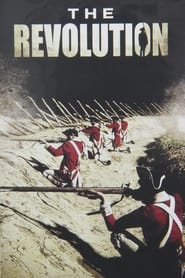
star 9.4The American Revolution is a 2006 miniseries from The History Channel composed of thirteen episodes which track the American Revolution from the Boston Massacre through the Treaty of Paris, which declared America's independence from Great Britain. The series is narrated by Edward Herrmann.Ryoko's Case File
2008
Ryoko's Case File
2008
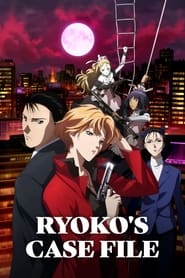
star 6.4Based on a series of light novels written by Tanaka Yoshiki. The story revolves around Ryōko Yakushiji, a brilliant 27-year-old elite investigator with the Tokyo Metropolitan Police. Together with her subordinate Junichirō Izumida, the two often investigate bizzare and supernatural cases. In addition with the paranormal, Ryōko also has a longstanding rivalry with Yukiko Muromachi, another talented police investigator.Lights Out
1949
Lights Out
1949
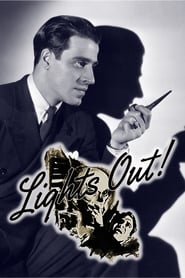
star 6Lights Out was an extremely popular American old-time radio program, an early example of a network series devoted mostly to horror and the supernatural, predating Suspense and Inner Sanctum. Versions of Lights Out aired on different networks, at various times, from January 1934 to the summer of 1947 and the series eventually made the transition to television. In 1946, NBC Television brought Lights Out to TV in a series of four specials, broadcast live and produced by Fred Coe, who also contributed three of the scripts. NBC asked Cooper to write the script for the premiere, "First Person Singular", which is told entirely from the point of view of an unseen murderer who kills his obnoxious wife and winds up being executed. Variety gave this first episode a rave review ("undoubtedly one of the best dramatic shows yet seen on a television screen"), but Lights Out did not become a regular NBC-TV series until 1949.Unsung
2008
Unsung
2008
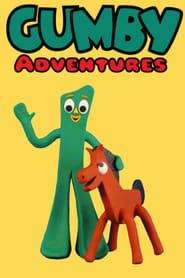
star 4.7Unsung is an hour-long music documentary program that premiered on TV One on November 27, 2008. It celebrates the lives and careers of artists or groups sharing their triumphs, their tribulations, and their truth. It uncovers the stories behind well-known R&B, gospel, and hip-hop music artists, bands, or groups which were ranked on the Billboard music charts with a string of hits, only to have their career derailed by a major crisis. After four seasons, Unsung won an NAACP Image Award in the "Outstanding Information Series or Special" category. Others nominated in this category for 2011 were Anderson Cooper 360° and Washington Watch with Roland Martin. And as of 2018, the series has garnered six NAACP Image Awards.Gumby Adventures
1988
Gumby Adventures
1988
star 8.2The continuous adventures of Gumby and his pals. This time, he runs a farm which includes more pals such as a wooly mammoth, Denali, and a bee, Groobee.Stories of the Century
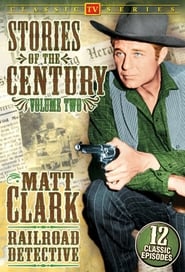
1954
star 7.2Stories of the Century is a 39-episode Western television series starring Jim Davis that ran in syndication through Republic Pictures between January 23, 1954, and March 11, 1955.Carried by the Wind: Tsukikage Ran
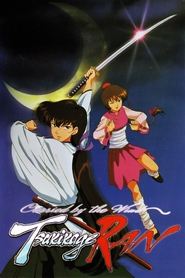
2000
star 7Wandering the lands of Japan - Ran is a master swordsman with a strong sense of honor combined with the courage and strength to right wrongs and battle injustice. But that doesn't stop her from having a good time! Stuck with an unwanted traveling companion, Myao, the two will bring law and order to the countryside... if they don't kill each other first. A comedic, action drama from start to finish - the way of the Samurai will never be the same!Bo on the GO!
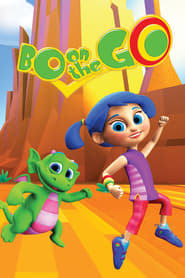
2007
Bo on the GO!
2007
star 5.8Bo lives in a castle with Dezadore the dragon. He is younger than Bo, and is really curious and often gets into trouble as he is not as physically adept as Bo. Bo's mentor on the show is Wizard. When she encounters challenges, he gives her advice. The show also encourages viewers to learn and do specific body movements to help her overcome obstacles.Cavalcade of America
1952
Cavalcade of America
1952
star 4.6Cavalcade of America is an anthology drama series that was sponsored by the DuPont Company, although it occasionally presented a musical, such as an adaptation of Show Boat, and condensed biographies of popular composers. It was initially broadcast on radio from 1935 to 1953, and later on television from 1952 to 1957. Originally on CBS, the series pioneered the use of anthology drama for company audio advertising. Cavalcade of America documented historical events using stories of individual courage, initiative and achievement, often with feel-good dramatizations of the human spirit's triumph against all odds. This was consistent with DuPont's overall conservative philosophy and legacy as an American company dating back to 1802. The company's motto, "Maker of better things for better living through chemistry," was read at the beginning of each program, and the dramas emphasized humanitarian progress, particularly improvements in the lives of women, often through technological innovation.Two's Company
1975
Two's Company
1975
star 7.4Two's Company is a British television situation comedy series that ran from 1975-79. Produced by London Weekend Television for the ITV Network, the programme starred Elaine Stritch and Donald Sinden.The Advocates
1991
The Advocates
1991
star 4.2Set in Edinburgh, the series contrasts the high powered and respectable world of the lawyers and advocates of the Scottish legal profession, with the sleazy and deadly existence of the city's pimps, prostitutes and drug addicts. When a young prostitute is murdered by a deadly drug overdose, only Doctor Joe Sangster, who has been treating her at the local health clinic, suspects foul play. In the growing climate of fear over drugs and AIDS in the city, his clinic faces closure due to a local campaign. He turns to Greg McDowell for help, and the young lawyer sees the chance to make a name for himself.The Last Place on Earth
1985
star 7.4The Last Place on Earth is a 1985 Central Television seven part serial, written by Trevor Griffiths based on the book Scott and Amundsen by Roland Huntford. The book is an exploration of the expeditions of Captain Robert F. Scott and his Norwegian rival in polar exploration, Roald Amundsen in their attempts to reach the South Pole. The series ran for seven episodes and starred a wide range of UK and Norwegian character actors as well as featuring some famous names, such as Max von Sydow, Richard Wilson, Sylvester McCoy and Pat Roach. It also featured performances early in their careers by Bill Nighy and Hugh Grant. Subsequently Huntford's book was republished under the same name. The book put forth the point of view that Amundsen's success in reaching the South Pole was abetted by much superior planning, whereas errors by Scott ultimately resulted in the death of him and his companions.Dracula's Kiss
2002
Dracula's Kiss
2002
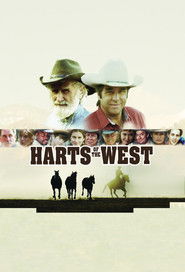
star 6.2Dracula's Kiss is an Italian 2 part TV-miniseries, directed by Roger Young. It is based on the 1897 novel of the same name by Bram Stoker, though it updates the events of the novel to the present day.Harts of the West
1993
Harts of the West
1993
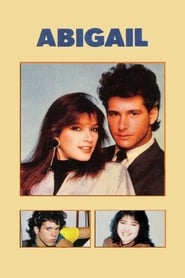
star 6.8Harts of the West is an American Western/comedy–drama series starring Beau Bridges and his father, Lloyd Bridges, set on a dude ranch in Nevada. The series aired on CBS from September 1993, to June 1994.Abigail
1988
Abigail
1988
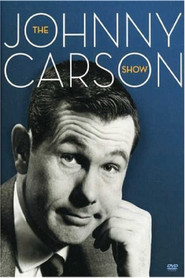
star 4.8Abigail is a Venezuelan telenovela that was produced by and seen on Venezuela's Radio Caracas Televisión. It was written by Elizabeth Alezard, Alberto Gómez, Mariana Luján, Amparo Montalva, and María Helena Portas and directed by Tito Rojas. This telenovela lasted 257 episodes and was distributed internationally by RCTV International.The Johnny Carson Show
1955
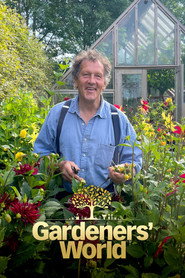
star 7.8While working as a staff writer on The Red Skelton Show, local Los Angeles television comedian Carson filled in as host when Skelton was injured during a show rehearsal. As a result of Carson’s performance, CBS created the primetime variety program: The Johnny Carson Show, a traditional potpourri of comedy, music, dance, skits and monologues. The short-lived 1955-56 series served as a precursor of what would come later for Carson, planting the seeds for sketches he would perform on the later The Tonight Show Starring Johnny Carson such as "Mighty Carson Art Players".Gardeners' World
1968
Gardeners' World
1968
star 8.2Gardeners' World is a long-running BBC Television programme about gardening, first broadcast in 1968 and still running as of 2013. Its first episode was presented by Ken Burras and came from Oxford Botanical Gardens. The magazine BBC Gardeners' World is a tie-in to the programme. Most of its episodes have been 30 minutes in length, although there are many specials that last longer. The 2008 and 2009 series used a 60-minute format.72 Hours: True Crime
2003
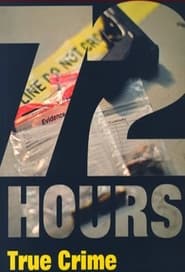
72 Hours: True Crime
2003
star 6.672 Hours: True Crime focuses on crime, specifically on the first 72 hours after a crime is committed, a critical time period for solving it. Rather than focus on fictional crimes, as do Law & Order and other TV shows elsewhere, True Crime depicted actual crimes that occurred throughout Canada, using dramatic reenactments and documentary-style footage of crime scenes.Tate
1960
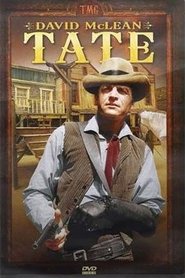
Tate
1960
star 5.4Tate is an American Western television series that aired on NBC from June 8 until September 14, 1960. It was created by Harry Julian Fink, who wrote most of the scripts, and produced by Perry Como's Roncom Video Films, Inc., as a summer replacement for The Perry Como Show. Richard Whorf guest starred once on the series and directed the majority of the episodes. Ida Lupino directed one segment.