Top Rated War Politics TV Series on Tubi TV - Page 3
All Services
Free Services
 Netflix
 Amazon Prime Video
 Apple iTunes
 Apple TV Plus
 Disney Plus
 Google Play Movies
 Paramount Plus
 Hulu
Hulu
 HBO Max
 YouTube
 fuboTV
 Peacock
 Peacock Premium
 Amazon Video
 The Roku Channel
 AMC+
AMC on Demand
AMC+
AMC on Demand
 Kocowa
 Hoopla
 The CW
 Vudu
Vudu
 Starz
Starz
 Showtime
 PBS
PBS
 Pantaflix
 FXNow
FXNow
 Tubi TV
 Kanopy
 Comedy Central
 Crunchyroll
 Microsoft Store
 Redbox
 Sun Nxt
 ABC
ABC
 DIRECTV
 Crackle
 Fandor
 Plex
Plex
Netflix
Amazon Prime Video
Apple iTunes
Apple TV Plus
Disney Plus
Google Play Movies
Paramount Plus
Hulu
HBO Max
YouTube
fuboTV
Peacock
Peacock Premium
Amazon Video
The Roku Channel
AMC+
AMC on Demand
Kocowa
Hoopla
The CW
Vudu
Starz
Showtime
PBS
Pantaflix
FXNow
Tubi TV
Kanopy
Comedy Central
Crunchyroll
Microsoft Store
Redbox
Sun Nxt
ABC
DIRECTV
Crackle
Fandor
Plex

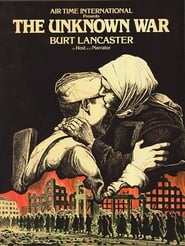
The Unknown War
1978
The Unknown War
1978
star 6.3A documentary television series of the Nazi-Soviet War, edited from over 3.5 million feet of film taken by Soviet camera crews from the first day of the war, 22 June 1941, to the Soviet entry into Berlin in May 1945.Abraham Lincoln
2022
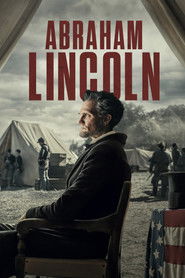
Abraham Lincoln
2022
star 7.7The true story of America's iconic 16th president as told by weaving together both scripted dramatizations of important moments in his life and commentary by authoritative historians and public figures.Woke
2017
Woke
2017
star 5.4Describes everyday life in a Lyon LGBT centre, examining the initial political, emotional and sexual life of a man who recently came out as gay.Victory at Sea
1952
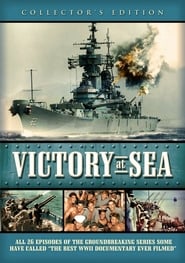
Victory at Sea
1952
star 6.8Victory at Sea is a documentary television series about naval warfare during World War II that was originally broadcast by NBC in the USA in 1952–1953. It was condensed into a film in 1954. Excerpts from the music soundtrack, by Richard Rodgers and Robert Russell Bennett, were re-recorded and sold as record albums. The original TV broadcasts comprised 26 half-hour segments—Sunday afternoons at 3pm in most markets—starting October 26, 1952 and ending May 3, 1953. The series, which won an Emmy award in 1954 as "best public affairs program", played an important part in establishing historic "compilation" documentaries as a viable television genre. Over 13,000 hours of footage gathered from US, British, German and Japanese navies during World War II were perused in the making of these compelling episodes.Mussolini and I
1985
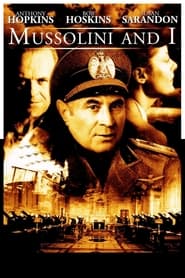
Mussolini and I
1985
star 6World War II is about to end. Benito Mussolini, il Duce, supreme dictator of Fascist Italy, sees his totalitarian dream crumbling and his power slipping away as the terrible day of his ignominious death at the hands of those he so ruthlessly oppressed for more than two decades draws inexorably near.Soviet Storm: WW2 in the East
2010
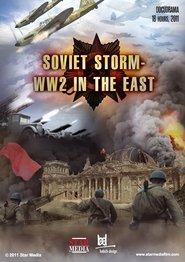
star 8.2The epic television history of the Second World War’s Eastern Front giving an unprecedented Russian perspective on the war’s most decisive and bloody theater.Jackie, Ethel, Joan: Women of Camelot
2001
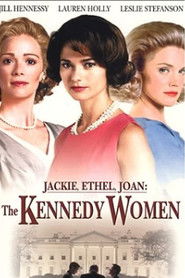
star 4.8The stories of three women who married into America's royal family, and lived in the glory and the glare of the political spotlight.FDR
2023
FDR
2023
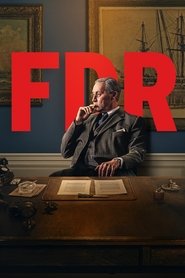
star 6.7The new documentary event will provide an epic portrait of President Franklin Delano Roosevelt, unpacking how his own fight with polio prepared him for the challenges of leading the United States through the Great Depression and World War II. Based upon Goodwin's New York Times bestseller, Leadership: In Turbulent Times, viewers will experience a most harrowing, yet heroic time in history when through grit, commitment and shared sacrifice FDR was the right man at the right time to lead the U.S. and the allied nations, projecting confidence in himself and America.Living with Hitler
2021
Living with Hitler
2021
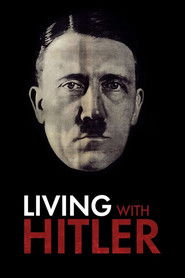
star 8.7The Nazi era from 1993 to 1945 is illustrated through archived material, with insights and anecdotes provided by world-leading experts and commentators.Dates That Made History
2018
star 8.6Historian Patrick Boucheron revisits the most important dates in history through the prisms of memory and collective imagination.History Uncovered
2019
History Uncovered
2019
star 7.1Myths die hard, and the history of the 20th century is no exception to this rule. Even today, we hold popular beliefs that we take for Evangelical truths. Thus, we believe that Hiroshima caused Japan to surrender, that the Marshall Plan saved Europe, that Adolf Hitler was a military genius, or that Mao Zedong was a necessary evil for China’s modernization. Of course, these judgements contain some truth; but, too broad-stroked to be accurate, they contradict the historical reality by denying its complexity. What if the truth was slightly different? Through an exploration of great national or international myths, this full archive documentary collection revisits the key moments of the 20th century with a new perspective in order to provide a new, smarter and more subtle interpretation, bringing elements to light that have been forgotten or sometimes overshadowed.The Romanovs
2013
The Romanovs
2013
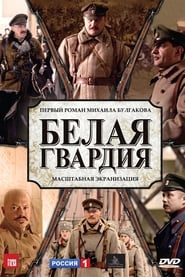
star 6.7An elegantly produced documentary divided into eight parts and running nearly seven hours in length, The Romanovs beautifully encapsulates the epic story of the Russian Dynasty over the course of over three hundred years.The White Guard
2012
The White Guard
2012
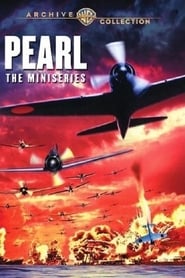
star 4.7The White Guard is a Russian television series, based on the novel by Bulgakov, The White Guard.Pearl
1978
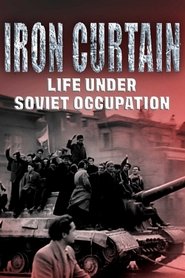
Iron Curtain: Life Under Soviet Occupation
2024
star 7.1How did the Soviet Union impose its communist ideology on the countries of Central and Eastern Europe after World War II? The story of how, from 1945 until the construction of the Berlin Wall in 1961, these countries were gradually subjected to the totalitarian Soviet yoke.Mussolini: The First Fascist
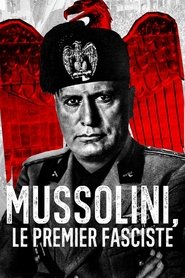
2022
star 8.2Mussolini seized power in Italy in 1922, after his March on Rome. He would hold it in his grasp until his death in 1945, establishing a dictatorship that lasted more than 20 years. Long considered a buffoon and a second-rate dictator, Il Duce invented fascism that was imitated by Hitler, who viewed the Italian as his political master. He wanted to transform his country into a warrior nation and promised Italians a return to the grandeur of the Roman Empire. He governed by violence and trickery and was one of the first populist leaders of modern times, leading his country into the catastrophe of the World War II. But who was Mussolini, this former teacher who came from the extreme left to become a newspaper editor and creator of the Fascist Party? Why did he ally himself with Hitler? Were the Italians really behind him? With archives and interviews with the last-surviving witnesses of the era, this portrait takes a look back at one of the most notorious dictators of the 20th century.A zori zdes tikhie
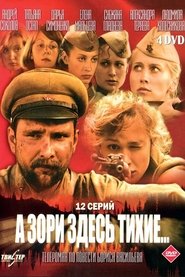
2005
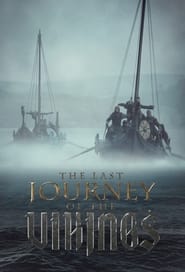
The Last Journey Of The Vikings
2020
star 7.8Nearly 1,000 years ago, the Vikings left Scandinavia and settled across Europe - giving their name to Normandy along the way - before their Norman descendants seized the English throne at the Battle of Hastings in 1066. But what do we really know about them? By combining expert analysis with compelling drama, 'The Last Journey of the Vikings' (Swedish title: 'Vikingarnas sista resa') tells a new and often surprising story about this complex people.Zorge
2019