War Politics TV Series - Page 101

Tank Eaters
2024
Tank Eaters
2024
star 7An innovative look at the holy defense era, which portrays the relationship between warriors from a different perspective and connects with real stories.最后的较量
2009
最后的较量
2009
The 50 Years War: Israel and the Arabs
1998
star 7.5Decision-makers from Israel, the Arab states, Russia, and the U.S. tell the inside story of the Arab-Israel conflict. Charts the evolution of tensions, violence, and peace efforts from 1948 to 1998.黑色名单
2011
黑色名单
2011
Décolonisations : du sang et des larmes
2020
star 8After World War II, the French colonial empire, which dominated the lives of over 110 million people on five continents, collapsed in just under a quarter century of blood and tears.The Book of Oath
1983
The Book of Oath
1983
star 9The tragic events in Georgian history, spanning from the 16th to the 18th centuries, culminated in the signing of the Treaty of Georgievsk in 1783, which placed Georgia under Russian protection.隋炀帝
2008
隋炀帝
2008
Finest Hour
1999
Finest Hour
1999
star 7Series tracing the events of 1940, when Britain faced alone the threat of invasion and defeat by Hitler's forces.Eyewitness War
2013
Eyewitness War
2013
“EyeWitness War” follows the men and women of the Army, Navy, Drug Enforcement Administration, Coast Guard and other forces as they deal with battles, drug trafficking and explosives.Znak Orła
1978
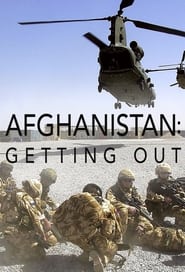
Afghanistan: Getting Out
2022
star 8.7Finding a way to end a war. Insiders tell the long and troubled story of a chaotic conflict, revealing the political pressures that helped seal the fate of Afghanistan.European Emigration: Forgotten Stories
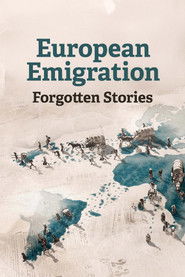
2025
This is the story of one of Europe's biggest migrations; one of people fleeing poverty or persecution and hoping for a better life. German-speaking people descended the Rhine and Danube rivers, from the 17th century until the end of the First World War, and settled in America, Eastern Europe, Russia and Africa.Stalingrad
2003
Stalingrad
2003
star 8.3The Battle of Stalingrad, which cost the lives of at least a million German soldiers, Red Army troops and Soviet civilians, was the bloodiest of the decisive battles in the "war of extermination" which Hitler had unleashed. This three-part documentary, employing previously unreleased film footage and brutally frank statements from survivors on both sides, explains exactly how the catastrophe came about and describes the gruesome consequences of the battle for the soldiers and the inhabitants of the city.The SS
2002
The SS
2002
star 9SS — the two letters in old Germanic rune script represent the most effective and dangerous instrument of power of the Nazi dictatorship. The SS represented more than any other Nazi organisation the wild and deadly delusions of those who believed themselves part of the master race. It took only a few years for Hitler's Schutzstaffel to be transformed from an insignificant personal bodyguard to an all-powerful empire of evil. There are personal interviews with survivors and and with those men who served the inhuman SS system. Only now, as their lives draw to a close, are they prepared to speak up. In the world's first television series on the overall history of the SS, this documentary series takes a balanced view with many previously unpublished sources and with witnesses to the history of the SS: victims, perpetrators and opponents.Historic Parking 1: The Deception of the French Channel
2022
Before the events of "Historic Parking 1: The Separation of Panama from Colombia" set in 1903, there was an attempt to build a French Canal in 1881, which went through tragedy, bankruptcy and international political intrigue that impacted worldwide and lit the spark that eventually exploded into the events of the Independence of Panama from Colombia.Albasheer Show
2014
Albasheer Show
2014
Albasheer Show is an Iraqi political satire television program hosted by comedian and journalist Ahmed Albasheer. The show first premiered in 2014 and has been broadcast on various platforms, including YouTube and satellite channels like DW Arabia. It is known for its sharp and humorous take on political and social issues in Iraq and the broader Arab world, focusing on topics such as corruption, sectarianism, and governmental inefficiency. The show combines comedic monologues, satirical news reports, and sketch comedy to deliver its message. Its bold and unfiltered style has garnered a large following, particularly among young viewers in Iraq and the Middle East.Al-Nakba (The Catastrophe)
2008
star 10For Palestinians, 1948 marks the “Nakba” or “catastrophe”, when hundreds of thousands were forced out of their homes. For Israelis, the same year marks the creation of their own state. This four-part series attempts to present an understanding of the events of the past that are still shaping the present.Land van Lubbers
2016
Land van Lubbers
2016
The Magnificent Three: Amsterdam, London, New York
2017
star 8The story, from 1600 to the present day, of the ruthless competition between Amsterdam (Netherlands), London (UK) and New York (USA) for world trade supremacy, as great minds blazed paths to glory and iconic architecture soared skyward.